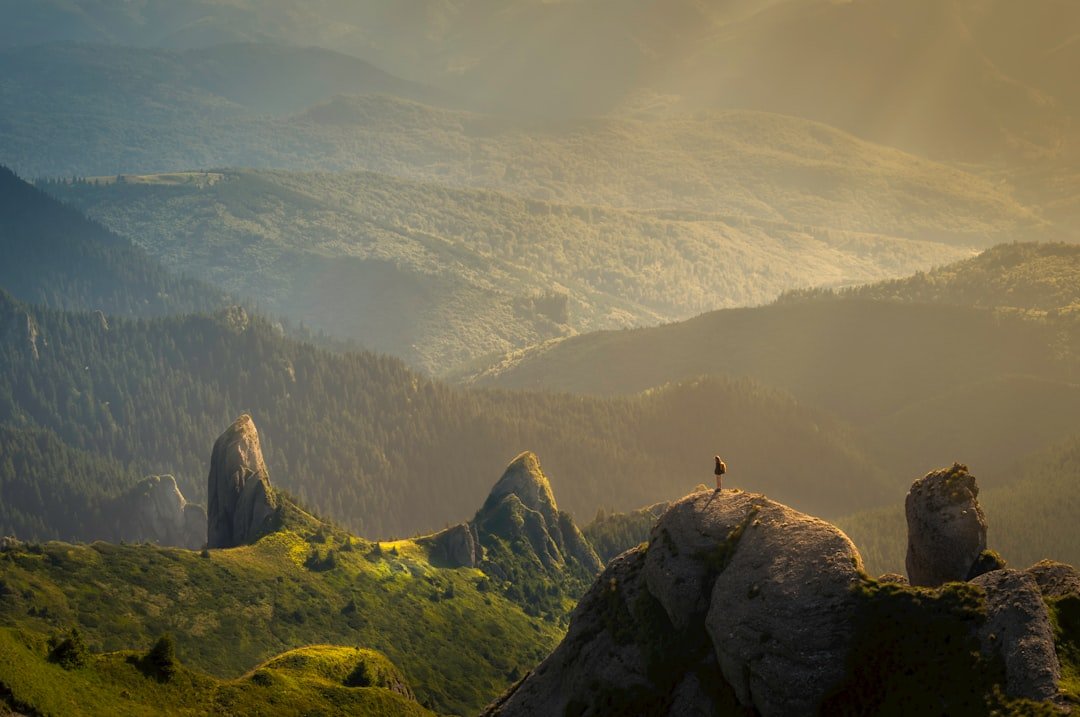
Selecting an appropriate destination for a micro-adventure requires careful consideration, as this choice directly affects the quality of the experience. Micro-adventures are brief trips, sometimes planned spontaneously, that enable people to discover new locations without requiring extensive preparation or long-distance travel. When evaluating potential destinations, prioritize locations near your residence.
A destination accessible within a few hours by car or train allows you to dedicate more time to exploration and less time to transportation. For example, urban residents can visit nearby national parks or coastal regions to access natural environments suitable for hiking, swimming, or relaxation. Consider the nature of the experience you desire.
Determine whether you prioritize adventure, relaxation, or cultural exploration. If you seek high-intensity activities, select destinations offering rock climbing, kayaking, or mountain biking. If you prefer a quieter experience, choose small towns recognized for local food, art galleries, or historical attractions.
Researching local events and festivals can improve your destination selection; attending a town’s annual festival provides authentic exposure to regional culture and customs. The ideal destination should align with your personal interests and offer meaningful opportunities for discovery and enjoyment.
Setting a Budget for Your Micro-Adventure
Establishing a budget is an essential component of planning any trip, including micro-adventures. A well-defined budget helps ensure that you can enjoy your getaway without financial stress. Start by determining how much you are willing to spend overall.
This figure should encompass all aspects of your trip, including transportation, accommodation, food, activities, and any souvenirs you might want to bring back. For instance, if you plan to visit a national park, consider the cost of entry fees, potential guided tours, and equipment rentals if necessary. Once you have a total budget in mind, break it down into categories.
Allocate specific amounts for each category based on your priorities. If you are an avid foodie, you might want to set aside more for dining experiences while keeping accommodation costs lower by opting for camping or budget-friendly lodgings. Conversely, if you are keen on activities like guided hikes or workshops, ensure that those expenses are adequately covered.
By itemizing your budget in this way, you can make informed decisions about where to splurge and where to save, allowing for a fulfilling experience without overspending.
Planning Your Itinerary

Creating an itinerary is an integral part of ensuring that your micro-adventure runs smoothly and that you make the most of your time away. Start by identifying key activities or sights that you want to experience at your chosen destination. This could include hiking trails, local markets, museums, or scenic viewpoints.
Once you have a list of must-see attractions, prioritize them based on your interests and the time available. For example, if you’re visiting a coastal town known for its stunning sunsets, plan your day around being at the beach during that golden hour. While it’s important to have a structured plan, allow for flexibility in your itinerary.
Micro-adventures often thrive on spontaneity; leaving room for unexpected discoveries can lead to some of the most memorable experiences. Perhaps you’ll stumble upon a local festival or meet fellow travelers who suggest hidden gems off the beaten path. Incorporating downtime into your schedule is also beneficial; this allows you to relax and recharge between activities or simply enjoy the surroundings without feeling rushed.
A well-balanced itinerary should blend planned activities with opportunities for exploration and relaxation.
Packing Smart for a Weekend Micro-Adventure
Packing efficiently is key to ensuring that your micro-adventure is enjoyable and hassle-free. Start by considering the duration of your trip and the activities you have planned. A weekend getaway typically requires less gear than an extended vacation; however, it’s essential to pack wisely to accommodate various scenarios.
Begin with clothing that is versatile and suitable for different weather conditions. Layering is an effective strategy; lightweight base layers can be paired with warmer outer layers if temperatures drop in the evening. In addition to clothing, think about the specific items you’ll need based on your planned activities.
If hiking is on the agenda, sturdy footwear and a daypack with essentials like water bottles, snacks, and a first-aid kit are crucial. For those planning to camp overnight, consider packing lightweight camping gear such as a tent, sleeping bag, and portable cooking equipment. Don’t forget personal items like toiletries and any necessary medications.
A well-organized packing list can help ensure that you don’t forget important items while also preventing overpacking, which can lead to unnecessary burdens during your adventure.
Researching Local Activities and Attractions
| Step | Activity | Time Required | Materials Needed | Tips |
|---|---|---|---|---|
| 1 | Choose a Nearby Location | 30 minutes | Smartphone or map | Pick places within 1-2 hours travel to maximize adventure time |
| 2 | Plan Your Route | 20 minutes | Map app or printed map | Include scenic spots, trails, or points of interest |
| 3 | Pack Essentials | 15 minutes | Backpack, water, snacks, first aid kit | Prepare for weather and activity type |
| 4 | Set a Budget | 10 minutes | Notebook or budgeting app | Keep costs low by using free or low-cost activities |
| 5 | Invite Friends or Go Solo | 5 minutes | Phone or messaging app | Choose companions who enjoy similar activities |
| 6 | Check Weather Forecast | 5 minutes | Weather app or website | Adjust plans if necessary for safety and comfort |
| 7 | Set Adventure Goals | 10 minutes | Notebook or app | Define what fun means to you: relaxation, exploration, challenge |
| 8 | Document Your Adventure | Variable | Camera or smartphone | Take photos or notes to remember your experience |
Before embarking on your micro-adventure, conducting thorough research on local activities and attractions can significantly enhance your experience. Start by exploring online resources such as travel blogs, tourism websites, and social media platforms where travelers share their experiences and recommendations. Look for unique local experiences that may not be widely advertised; this could include artisan workshops, guided nature walks, or culinary classes that showcase regional cuisine.
Additionally, consider reaching out to local tourism offices or visitor centers upon arrival at your destination. These resources often provide valuable insights into current events or lesser-known attractions that may not be included in standard travel guides. Engaging with locals can also lead to discovering hidden gems—perhaps a secluded beach known only to residents or a family-run restaurant serving authentic dishes.
By immersing yourself in the local culture and activities available, you can create a richer and more fulfilling micro-adventure.
Finding Accommodation Options
Accommodation plays a pivotal role in shaping your micro-adventure experience. Depending on your budget and preferences, there are various options available ranging from hotels and hostels to camping sites and vacation rentals. If you’re looking for convenience and comfort after a day of exploration, hotels or motels may be ideal; however, they can sometimes be pricier than alternative options.
For those seeking a more communal atmosphere or budget-friendly choices, hostels offer shared accommodations that can foster connections with fellow travelers. Camping is another popular option for micro-adventures, especially if you’re venturing into nature-rich areas. Many national parks and recreational areas provide campgrounds equipped with basic amenities at affordable rates.
Alternatively, platforms like Airbnb or Vrbo offer unique lodging experiences such as cabins or cottages that allow you to immerse yourself in the local environment while enjoying home-like comforts. Regardless of your choice of accommodation, ensure it aligns with your adventure’s goals—whether that’s relaxation after an active day or proximity to key attractions.
Considering Transportation Options
Transportation logistics are vital when planning a micro-adventure as they directly impact how easily you can access your chosen destination and explore the surrounding area. Depending on where you’re headed and how far away it is from home, consider various modes of transportation such as driving your own vehicle, taking public transit like trains or buses, or even utilizing rideshare services for shorter distances once you arrive. If you’re driving, ensure that your vehicle is in good condition for the journey ahead; check tire pressure, oil levels, and fuel efficiency to avoid any unexpected issues on the road.
For those opting for public transportation, research schedules and routes in advance to maximize efficiency and minimize waiting times. Additionally, consider how you’ll get around once you’ve reached your destination—having a bicycle available can be an excellent way to explore local areas at your own pace while also enjoying the scenery.
Safety Precautions and Emergency Planning
Safety should always be a top priority when embarking on any adventure, including micro-adventures. Before setting out, familiarize yourself with the area you’ll be visiting—understanding local wildlife hazards (such as bears in certain national parks) or weather conditions can help mitigate risks during your trip. Carrying essential safety gear such as a first-aid kit is advisable; this should include items like band-aids, antiseptic wipes, pain relievers, and any personal medications.
In addition to physical safety measures, it’s wise to have an emergency plan in place should unexpected situations arise. Share your itinerary with someone who isn’t traveling with you so they know where you’ll be at all times. In case of emergencies such as getting lost or encountering an injury while hiking, having a charged mobile phone with emergency contacts saved can be invaluable.
Familiarize yourself with local emergency services numbers and locations of nearby hospitals or clinics before heading out; this preparation ensures that you’re ready to handle any unforeseen circumstances effectively while enjoying your micro-adventure.
FAQs
What is a micro-adventure?
A micro-adventure is a short, simple, and local outdoor adventure that can be completed within a weekend or even a few hours. It focuses on exploring nearby nature or trying new activities without requiring extensive planning or travel.
Why should I plan micro-adventures on weekends?
Planning micro-adventures on weekends allows you to break from routine, reduce stress, and enjoy nature without needing long vacations. They are accessible, affordable, and can improve physical and mental well-being.
How do I choose a micro-adventure activity?
Select activities based on your interests, fitness level, and available time. Popular options include hiking, camping, biking, kayaking, or exploring local parks and trails. Consider weather conditions and safety as well.
What equipment do I need for a micro-adventure?
Equipment depends on the activity but generally includes comfortable clothing, sturdy footwear, water, snacks, a map or GPS, and safety gear like a first aid kit. For overnight trips, bring camping essentials such as a tent and sleeping bag.
How can I find micro-adventure locations near me?
Use online resources like local park websites, hiking apps, or community forums. You can also ask friends or visit visitor centers for recommendations on nearby trails, waterways, or natural areas.
Is it necessary to have prior experience for micro-adventures?
No, micro-adventures are designed to be accessible for beginners. Start with simple activities and gradually try more challenging ones as you gain confidence and skills.
How do I stay safe during a micro-adventure?
Inform someone about your plans, check weather forecasts, carry a fully charged phone, and bring necessary safety equipment. Know your limits and avoid risky areas or activities beyond your experience.
Can micro-adventures be done alone?
Yes, micro-adventures can be done solo or with friends and family. Solo trips require extra caution and preparation, while group adventures can enhance social bonding and shared experiences.
How do micro-adventures benefit mental health?
Spending time outdoors and engaging in physical activity can reduce stress, improve mood, increase creativity, and promote relaxation, contributing positively to mental health.
Are micro-adventures environmentally friendly?
When planned responsibly, micro-adventures encourage appreciation of nature and promote low-impact activities. Always follow Leave No Trace principles to minimize environmental impact.