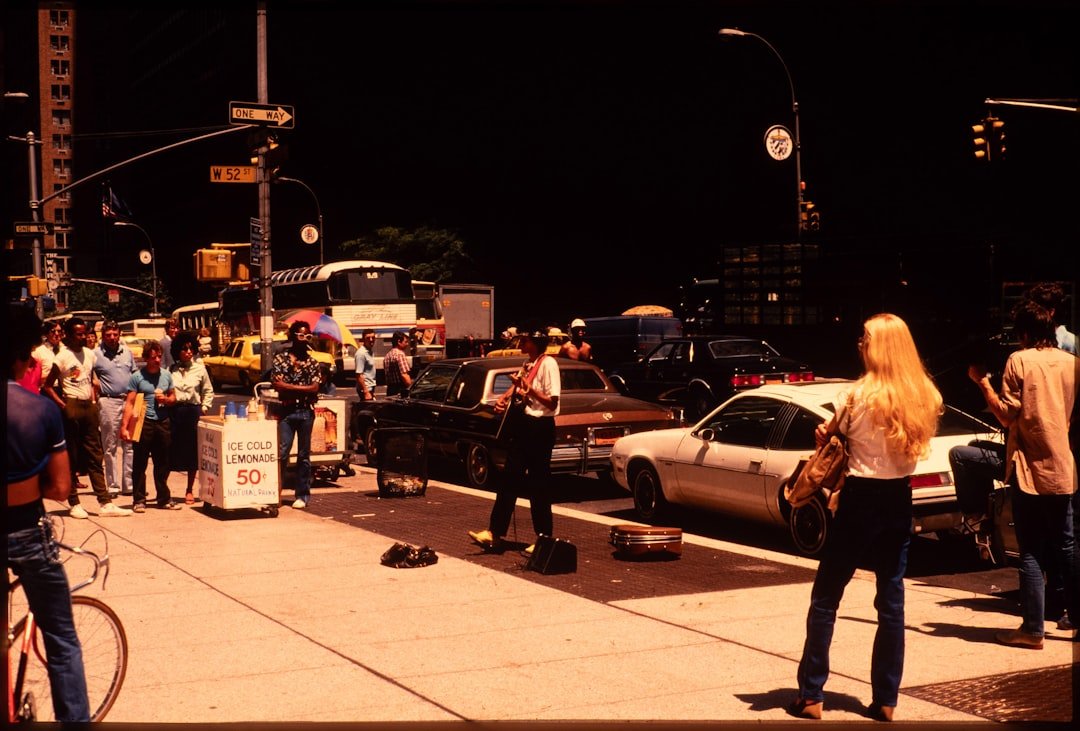
New York City comprises distinct neighborhoods, each with identifiable characteristics shaped by its residents and history. Manhattan and Queens represent different urban densities and residential patterns within the city. The neighborhoods reflect various cultural communities, languages, and ways of life.
Harlem has significant African American historical importance. The neighborhood is associated with developments in music, visual arts, and civil rights movements that influenced American culture broadly. The Apollo Theater, located in Harlem, has been a venue where numerous musicians and performers began their careers.
Chinatown and Little Italy are neighborhoods with established immigrant populations. These areas maintain cultural traditions through food, businesses, and community practices. Chinatown contains markets and restaurants serving Chinese cuisine and culture.
Little Italy hosts the Feast of San Gennaro, an annual festival celebrating Italian heritage. The neighborhoods of New York City reflect different immigrant and cultural histories. These areas remain centers for their respective communities and attract both residents and visitors interested in experiencing different cultural environments.
Immersing yourself in the unique food and dining experiences of different neighborhoods
The culinary landscape of New York City is as diverse as its neighborhoods, offering an array of dining experiences that reflect the cultural richness of its inhabitants. In Astoria, Queens, for example, one can find a plethora of Greek tavernas and Middle Eastern restaurants that serve authentic dishes prepared with traditional recipes. The neighborhood’s food scene is a testament to its immigrant roots, where flavors from around the world converge to create a unique gastronomic experience.
A visit to Astoria would be incomplete without indulging in a plate of moussaka or savoring freshly baked baklava from one of its many bakeries. Meanwhile, in Williamsburg, Brooklyn, the dining scene has evolved into a trendy hotspot that attracts food enthusiasts from all over the city. The neighborhood boasts an eclectic mix of artisanal eateries, farm-to-table restaurants, and food markets that celebrate local ingredients and innovative culinary techniques.
The Smorgasburg food market, held on weekends, showcases a diverse array of vendors offering everything from gourmet donuts to vegan tacos. This fusion of flavors and styles reflects Williamsburg’s artistic spirit and commitment to sustainability, making it a must-visit destination for food lovers seeking new and exciting tastes.
Embracing the arts and cultural scene in various neighborhoods
New York City’s neighborhoods are not only defined by their culinary offerings but also by their vibrant arts and cultural scenes. The Lower East Side, for instance, has long been a hub for artists and musicians, fostering creativity through its galleries, performance spaces, and street art. The Tenement Museum provides insight into the lives of immigrants who shaped the neighborhood’s history while showcasing contemporary art installations that challenge societal norms.
This blend of historical context and modern expression creates a dynamic environment where art thrives. In contrast, the Bronx has emerged as a cultural powerhouse in recent years, particularly in the realm of hip-hop music and street art. The Bronx Walk of Fame celebrates local legends who have made significant contributions to the arts, while venues like The Bronx Museum of the Arts highlight contemporary works that reflect the community’s diverse narratives.
The borough’s commitment to promoting artistic expression is evident in its numerous festivals and events that bring together artists from various backgrounds to share their talents with the community.
Getting to know the history and heritage of different neighborhoods
Understanding the history and heritage of New York City’s neighborhoods is essential for appreciating their current identities. For example, Greenwich Village has a storied past as a center for bohemian culture and social activism. In the early 20th century, it became a haven for artists, writers, and intellectuals who sought refuge from mainstream society.
The Stonewall Inn, located in this neighborhood, played a pivotal role in the LGBTQ+ rights movement during the 1969 riots that marked a turning point in the fight for equality. Today, visitors can explore this rich history through guided tours that highlight significant landmarks and events that have shaped both the neighborhood and the nation. Similarly, Brooklyn Heights offers a glimpse into New York City’s architectural history with its stunning brownstone buildings and tree-lined streets.
As one of the first suburbs in America, it has retained much of its 19th-century charm while evolving into a desirable residential area. The Brooklyn Historical Society provides resources for those interested in delving deeper into the borough’s past, offering exhibitions and programs that celebrate its diverse heritage. By engaging with these historical narratives, residents and visitors can gain a deeper appreciation for the neighborhoods they inhabit or explore.
Engaging with the local community and participating in neighborhood events
| Neighborhood | Key Cultural Experience | Popular Activities | Recommended Time to Visit | Transportation Tips |
|---|---|---|---|---|
| Harlem | African American heritage and jazz culture | Visit Apollo Theater, dine on soul food, attend jazz clubs | Afternoon to evening | Take the 2 or 3 subway lines to 125th Street |
| Chinatown | Chinese culture and cuisine | Explore markets, try authentic dim sum, visit temples | Midday | Take the J or Z subway to Canal Street |
| Williamsburg (Brooklyn) | Hipster and arts scene | Visit art galleries, enjoy craft breweries, shop vintage | Afternoon to night | Take the L train to Bedford Avenue |
| Little Italy | Italian-American culture and food | Eat at Italian restaurants, attend street festivals | Evening | Walk from Canal Street or take the N, R, W trains |
| Jackson Heights (Queens) | South Asian and Latin American cultures | Sample diverse cuisines, visit cultural shops | Daytime | Take the 7 train to Jackson Heights-Roosevelt Avenue |
One of the most enriching aspects of exploring New York City’s neighborhoods is engaging with local communities through various events and activities. Neighborhood festivals often showcase cultural traditions while fostering connections among residents. For instance, the West Indian American Day Carnival Parade held annually in Crown Heights celebrates Caribbean culture with vibrant costumes, music, and dance.
This event not only highlights the rich heritage of Caribbean Americans but also serves as an opportunity for people from all backgrounds to come together in celebration. In addition to large-scale events, smaller community gatherings such as farmers’ markets or block parties provide intimate settings for residents to connect with one another. In neighborhoods like Park Slope, Brooklyn, local farmers’ markets offer fresh produce while creating a space for neighbors to interact and support local vendors.
These gatherings foster a sense of belonging and community pride that is essential to maintaining the unique character of each neighborhood.
Discovering hidden gems and off-the-beaten-path attractions in NYC neighborhoods
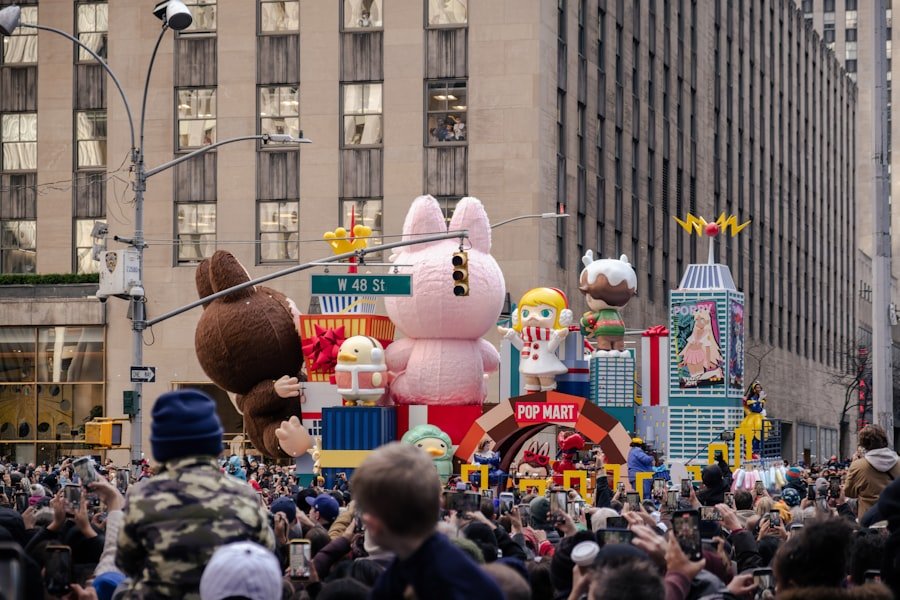
While iconic landmarks like Times Square or Central Park draw millions of visitors each year, New York City’s neighborhoods are also home to hidden gems waiting to be discovered. For example, tucked away in the East Village is the Tenement Museum’s “Hard Times” tour, which takes visitors through restored apartments that tell the stories of immigrant families during times of economic hardship. This immersive experience offers a unique perspective on life in New York City during challenging periods.
Another hidden treasure can be found in Red Hook, Brooklyn—a waterfront neighborhood known for its industrial charm and artistic vibe. Here lies Valentino Pier, a serene spot offering stunning views of the Manhattan skyline without the crowds typically found at more popular locations. Additionally, Red Hook is home to several artisanal shops and studios where local artisans create handmade goods ranging from pottery to textiles.
Exploring these lesser-known attractions allows visitors to experience New York City beyond its tourist hotspots.
Understanding the social dynamics and demographics of different neighborhoods
The social dynamics and demographics of New York City’s neighborhoods are constantly evolving due to factors such as gentrification, immigration patterns, and economic shifts. For instance, neighborhoods like Harlem have undergone significant transformations over recent decades as new businesses move in alongside long-standing establishments. While this revitalization brings investment and development opportunities, it also raises concerns about displacement and loss of cultural identity among long-time residents.
In contrast, areas like Jackson Heights in Queens exemplify the richness of multiculturalism within New York City. Known for its diverse population representing various ethnicities—including South Asian, Latin American, and East Asian communities—Jackson Heights offers an array of cultural experiences through its restaurants, shops, and festivals. Understanding these social dynamics is crucial for fostering inclusivity and ensuring that all voices are heard within each neighborhood’s narrative.
Supporting local businesses and artisans in NYC neighborhoods
Supporting local businesses is vital for sustaining the unique character of New York City’s neighborhoods while contributing to their economic vitality. Small shops, family-owned restaurants, and independent artisans play an essential role in shaping each neighborhood’s identity. For example, in the West Village, iconic establishments like Magnolia Bakery have become synonymous with New York City’s culinary scene while providing jobs for local residents.
Moreover, initiatives such as “Shop Local” campaigns encourage residents to prioritize spending at neighborhood businesses rather than large corporations. This not only helps preserve local culture but also fosters community connections as residents engage with shop owners who often have deep ties to their neighborhoods. By choosing to support these businesses—whether through dining out at locally-owned restaurants or purchasing handmade goods from artisans—individuals contribute to maintaining the vibrant tapestry that makes New York City truly unique.
In conclusion, exploring New York City’s neighborhoods reveals a rich diversity that encompasses food, culture, history, community engagement, hidden gems, social dynamics, and local businesses. Each aspect contributes to an intricate mosaic that defines life in this iconic city. Whether you are a resident or a visitor seeking to immerse yourself in its vibrant atmosphere, understanding these elements will enhance your experience and appreciation for what makes New York City so extraordinary.
FAQs
What are some key neighborhoods to visit in New York City to experience its diverse cultures?
New York City is home to many culturally rich neighborhoods, including Chinatown, Little Italy, Harlem, Williamsburg, Jackson Heights, and the Lower East Side. Each offers unique food, art, music, and community experiences reflective of its cultural heritage.
How can I best explore the cultural diversity of New York City’s neighborhoods?
To experience the cultural diversity, consider walking tours, food tours, visiting local markets, attending cultural festivals, and exploring museums or community centers in each neighborhood. Engaging with local residents and trying authentic cuisine are also great ways to immerse yourself.
Are there specific times of year that are best for experiencing neighborhood cultures in NYC?
Many neighborhoods host annual cultural festivals and events throughout the year, such as the Lunar New Year in Chinatown, the Puerto Rican Day Parade in East Harlem, and the San Gennaro Festival in Little Italy. Checking local event calendars can help you plan your visit to coincide with these celebrations.
Is it safe to visit all neighborhoods in New York City?
Most neighborhoods popular with tourists and locals alike are generally safe during the day. However, it’s always advisable to stay aware of your surroundings, avoid poorly lit or isolated areas at night, and follow local advice to ensure a safe visit.
Can I use public transportation to visit different neighborhoods in New York City?
Yes, New York City has an extensive public transportation system, including subways and buses, that connect most neighborhoods. Using a MetroCard or OMNY contactless payment system makes it easy and affordable to travel between cultural districts.
Are there any cultural etiquette tips to keep in mind when visiting NYC neighborhoods?
Respect local customs and traditions, ask permission before taking photos of people or private property, and be mindful of noise levels, especially in residential areas. Supporting local businesses and artists by purchasing authentic goods is also appreciated.
Where can I find authentic food experiences in New York City’s neighborhoods?
Each neighborhood offers authentic cuisine reflective of its cultural roots. For example, try dim sum in Chinatown, Italian pastries in Little Italy, soul food in Harlem, and Indian dishes in Jackson Heights. Food markets, family-owned restaurants, and street vendors are excellent places to explore.
Are guided tours recommended for experiencing NYC’s neighborhood cultures?
Guided tours can provide valuable insights into the history, culture, and hidden gems of each neighborhood. Many tours are led by local experts or community members, offering a deeper understanding and more meaningful experience. However, self-guided exploration is also rewarding for those who prefer flexibility.