When selecting paint for a project, choosing the correct finish is essential. Paint finishes are classified into several categories, each with specific properties that affect appearance and performance. The main finishes are flat, eggshell, satin, semi-gloss, and high-gloss.
Flat finishes have no reflective quality and effectively hide surface imperfections. They work well in low-traffic areas and on ceilings where durability is less important. Eggshell finishes provide minimal sheen and offer moderate durability combined with visual appeal, making them suitable for living rooms and bedrooms.
Satin finishes have greater reflectivity than eggshell and provide increased durability, making them appropriate for hallways and children’s rooms. Semi-gloss and high-gloss finishes are highly reflective and create a harder, more durable surface resistant to damage and wear. These finishes are typically applied in kitchens, bathrooms, and on trim and moldings.
Selecting the appropriate finish is important for both homeowners and professionals, as it directly affects the durability and maintenance requirements of painted surfaces.
Considerations for High Moisture Rooms
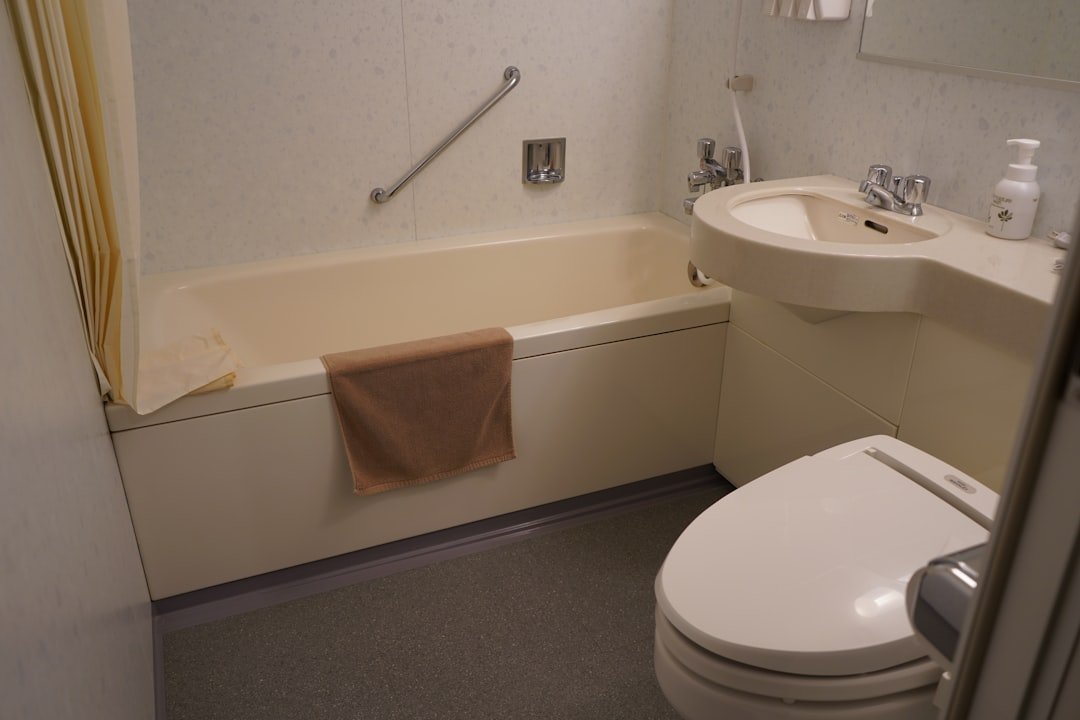
High moisture rooms, such as bathrooms and kitchens, present unique challenges when it comes to selecting paint finishes. The primary concern in these environments is the potential for mold and mildew growth due to the constant presence of humidity. In addition to moisture, these areas often experience temperature fluctuations that can exacerbate the problem.
Therefore, it is essential to choose a paint finish that not only resists moisture but also inhibits the growth of mold and mildew. Another consideration is the ease of cleaning. High moisture rooms are prone to splashes, spills, and stains, which necessitate a finish that can withstand frequent cleaning without losing its luster or integrity.
For instance, a finish that is too porous may absorb moisture and stains, leading to discoloration over time. Additionally, the choice of color can also play a role in how well a paint finish performs in high moisture environments. Lighter colors may help reflect light and create an illusion of space, while darker colors can absorb heat but may show water spots more readily.
Choosing the Right Paint Finish for High Moisture Rooms

Selecting the right paint finish for high moisture rooms requires careful consideration of both the environment and the intended use of the space. Semi-gloss and high-gloss finishes are often recommended for these areas due to their superior moisture resistance and durability. These finishes create a barrier that prevents water from penetrating the surface, thereby reducing the risk of mold growth.
Furthermore, their reflective qualities can enhance lighting in smaller spaces, making them feel larger and more inviting. In contrast, while satin finishes can also be suitable for high moisture areas, they may not provide the same level of protection as semi-gloss or high-gloss options. Satin finishes strike a balance between aesthetics and functionality but may require more frequent maintenance in environments with high humidity.
It is also essential to consider the specific conditions of the room; for example, a bathroom with poor ventilation may necessitate a more robust finish compared to a kitchen with good airflow. Ultimately, understanding the unique characteristics of each finish will guide homeowners in making informed decisions that align with their specific needs.
Benefits of Using Semi-Gloss or High-Gloss Finishes
The advantages of using semi-gloss or high-gloss finishes in high moisture rooms are manifold. One of the most significant benefits is their exceptional durability. These finishes are designed to withstand scrubbing and cleaning without losing their sheen or integrity.
This characteristic is particularly important in kitchens and bathrooms where surfaces are frequently exposed to water and cleaning agents. The ability to wipe down surfaces easily helps maintain a clean and hygienic environment, which is crucial in areas prone to bacteria growth. Moreover, semi-gloss and high-gloss finishes offer excellent resistance to mold and mildew.
Many modern paints are formulated with antimicrobial properties that actively inhibit the growth of these unwanted organisms. This feature is especially beneficial in humid climates or poorly ventilated spaces where moisture can linger. Additionally, the reflective nature of these finishes can enhance natural light within a room, creating an airy atmosphere that can make spaces feel larger and more open.
This quality not only improves aesthetics but also contributes to energy efficiency by reducing the need for artificial lighting during daylight hours.
Drawbacks of Using Flat or Matte Finishes in High Moisture Rooms
| Room Type | Recommended Paint Finish | Durability | Moisture Resistance | Ease of Cleaning | Common Use Cases |
|---|---|---|---|---|---|
| Bathroom | Semi-Gloss or Satin | High | Excellent | Easy | Walls, trim, and ceilings exposed to steam and splashes |
| Kitchen | Semi-Gloss or Satin | High | Excellent | Easy | Walls near sinks, backsplashes, and cabinets |
| Basement | Satin or Eggshell | Medium | Good | Moderate | Walls with occasional moisture exposure |
| Laundry Room | Semi-Gloss | High | Excellent | Easy | Walls and trim near washers and dryers |
| Ceilings in Moist Rooms | Flat or Matte (with moisture-resistant paint) | Medium | Good | Moderate | Ceilings with less direct moisture exposure |
While flat or matte finishes have their place in interior design, they are generally ill-suited for high moisture rooms due to several inherent drawbacks. One of the primary concerns is their lack of durability; flat finishes are more susceptible to damage from moisture and cleaning products. In environments where water exposure is frequent, such as bathrooms or kitchens, flat paints can absorb moisture, leading to peeling or bubbling over time.
This deterioration not only affects the appearance of the walls but can also lead to more significant issues like mold growth beneath the surface. Additionally, flat finishes are challenging to clean without risking damage to the paint itself. Stains from water splashes or cooking oils can become embedded in the porous surface, making it difficult to maintain a pristine appearance.
Unlike their glossier counterparts, flat paints do not have a protective barrier that repels dirt and grime, which means that regular maintenance becomes more labor-intensive. For homeowners seeking a long-lasting solution in high moisture areas, opting for flat or matte finishes may result in increased costs over time due to frequent repainting or repairs.
Preparing the Surface for Painting in High Moisture Rooms
Proper surface preparation is crucial when painting in high moisture rooms to ensure optimal adhesion and longevity of the paint finish. The first step involves thoroughly cleaning the surfaces to remove any dirt, grease, or mildew that may have accumulated over time. This process often includes scrubbing with a mixture of water and mild detergent or using specialized mildew removers for particularly stubborn spots.
After cleaning, it is essential to allow the surfaces to dry completely before proceeding with any painting. Once cleaned and dried, any imperfections such as cracks or holes should be repaired using appropriate fillers or caulking compounds designed for high-moisture environments. Sanding down these repairs will create a smooth surface for painting.
Additionally, applying a primer specifically formulated for high humidity areas can significantly enhance paint adhesion and provide an extra layer of protection against moisture infiltration. Primers help seal porous surfaces and create an even base for the topcoat, ensuring that the final finish adheres properly and performs well over time.
Tips for Maintaining Paint Finishes in High Moisture Rooms
Maintaining paint finishes in high moisture rooms requires ongoing attention to prevent deterioration and ensure longevity. Regular cleaning is essential; however, it is crucial to use gentle cleaning solutions that do not contain harsh chemicals which could damage the paint surface. A simple mixture of warm water and mild soap is often sufficient for routine maintenance.
For tougher stains or mildew spots, using a diluted vinegar solution can effectively eliminate unwanted growth without harming the paint. Ventilation plays a vital role in maintaining paint finishes in high moisture areas as well. Ensuring proper airflow helps reduce humidity levels, which can mitigate mold growth and prolong the life of painted surfaces.
Installing exhaust fans in bathrooms or kitchens can significantly improve air circulation during activities that generate steam or moisture. Additionally, keeping windows open when weather permits allows fresh air to circulate through these spaces, further reducing humidity levels.
Making Informed Choices for High Moisture Room Paint Finishes
In summary, selecting the right paint finish for high moisture rooms involves understanding various factors including durability, moisture resistance, ease of cleaning, and aesthetic appeal. Semi-gloss and high-gloss finishes emerge as superior choices due to their ability to withstand humidity while providing an attractive sheen that enhances lighting within these spaces. Conversely, flat or matte finishes pose significant challenges in terms of maintenance and longevity when exposed to moisture.
Proper surface preparation cannot be overlooked; it lays the foundation for successful painting projects in high humidity environments. Regular maintenance practices such as gentle cleaning and ensuring adequate ventilation will further protect painted surfaces from deterioration over time. By making informed choices regarding paint finishes and adhering to best practices for maintenance, homeowners can create beautiful and functional spaces that stand up to the challenges posed by high moisture conditions.
FAQs
What types of paint finishes are best for high moisture rooms?
For rooms with high moisture, such as bathrooms and kitchens, semi-gloss and satin finishes are typically recommended. These finishes are more resistant to moisture and easier to clean compared to flat or matte finishes.
Why is paint finish important in high moisture areas?
The paint finish affects the durability and moisture resistance of the painted surface. In high moisture areas, a finish that can withstand humidity and frequent cleaning helps prevent peeling, mold growth, and damage to the walls.
Can I use flat or matte paint in a bathroom or kitchen?
Flat or matte paints are generally not recommended for high moisture rooms because they absorb moisture more easily and are harder to clean. However, they can be used in low-moisture areas of these rooms if properly ventilated.
Is it necessary to use mold-resistant paint in high moisture rooms?
Using mold-resistant or mildew-resistant paint can be beneficial in high moisture rooms to help prevent mold growth. Many paints designed for bathrooms and kitchens include antimicrobial additives for this purpose.
How does satin finish compare to semi-gloss for moisture resistance?
Both satin and semi-gloss finishes offer good moisture resistance, but semi-gloss is typically more durable and easier to clean. Satin provides a softer sheen and can be a good compromise between appearance and moisture resistance.
Should I use primer before painting in high moisture rooms?
Yes, applying a high-quality primer designed for moisture-prone areas is important. It helps seal the surface, improves paint adhesion, and enhances the overall durability of the paint job.
How often should paint be reapplied in high moisture rooms?
The frequency of repainting depends on the quality of paint, ventilation, and maintenance. Generally, repainting every 3-5 years is recommended to maintain protection and appearance in high moisture environments.
Can I use exterior paint finishes indoors for high moisture rooms?
While exterior paints are formulated to withstand harsh weather, they are not always suitable for indoor use due to differences in VOC levels and finish properties. It is better to use interior paints specifically designed for high moisture areas.