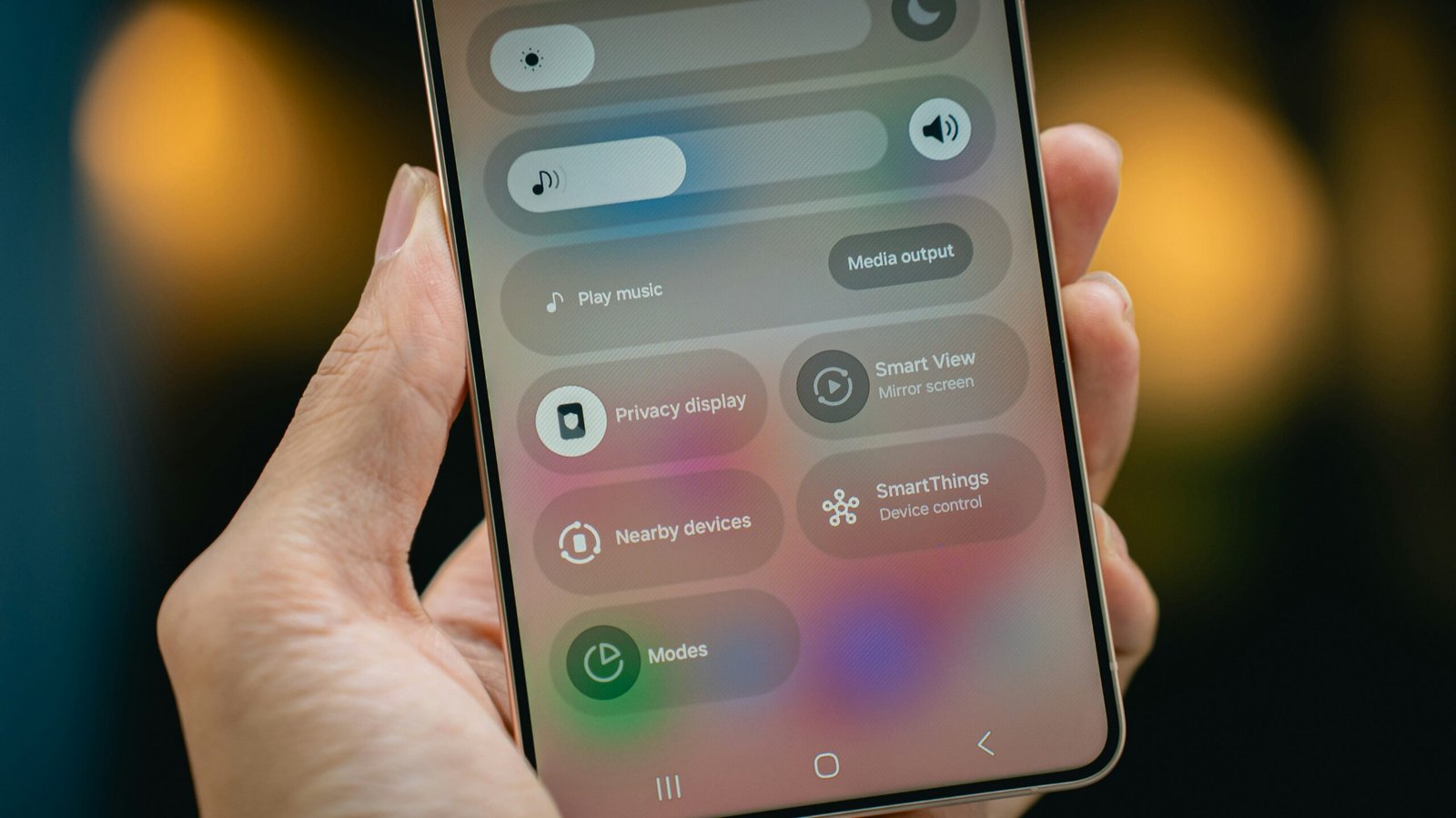
The Internet of Things (IoT) encompasses smart devices integrated into everyday environments. Examples include smart thermostats that adjust heating based on user preferences and security cameras accessible through remote monitoring. These devices provide practical benefits in terms of convenience and operational efficiency.
However, the widespread connectivity of IoT systems creates security vulnerabilities. IoT devices collect and transmit personal data, making them attractive targets for unauthorized access. Security breaches in IoT systems can result in data theft, unauthorized access to personal information, and in certain cases, physical safety risks.
The proliferation of IoT devices increases the scope of potential security incidents. Industry projections indicate that billions of IoT devices will be operational by the mid-2020s. Each connected device represents a potential vulnerability that attackers could exploit.
Both manufacturers and users must implement robust security protocols to mitigate these risks. Security failures in IoT systems can cause financial losses for organizations, damage to business reputation, and personal safety concerns for users. Implementing effective security measures for IoT devices is essential for reducing these risks and protecting digital infrastructure.
Simple Security Measures for IoT Devices
Implementing simple security measures can significantly enhance the protection of IoT devices. One of the most effective strategies is changing default passwords. Many IoT devices come with factory-set passwords that are widely known or easily guessable.
By changing these passwords to strong, unique combinations, users can drastically reduce the risk of unauthorized access. A strong password typically includes a mix of uppercase and lowercase letters, numbers, and special characters, making it more difficult for attackers to crack. Another straightforward yet impactful measure is to regularly update device firmware.
Manufacturers often release updates that patch known vulnerabilities and improve overall security. By enabling automatic updates or checking for them manually, users can ensure their devices are equipped with the latest protections. Additionally, disabling unnecessary features or services on IoT devices can further minimize exposure to potential threats.
For instance, if a device has a feature that allows remote access but is not needed, turning it off can eliminate a possible attack vector.
Securing IoT Devices without Advanced Networking
Securing IoT devices does not always require advanced networking knowledge or complex configurations. Many effective strategies can be implemented by everyday users with basic technical skills. One such method is segmenting the home network.
By creating a separate network for IoT devices, users can isolate them from more critical devices like computers and smartphones. This segmentation limits the potential damage if an IoT device is compromised, as attackers would have a harder time accessing sensitive information stored on other devices. Another practical approach is utilizing mobile applications provided by manufacturers for device management.
These apps often include built-in security features that allow users to monitor device activity and receive alerts about suspicious behavior. Additionally, many apps provide user-friendly interfaces for managing settings and updating firmware without requiring extensive technical expertise. By leveraging these tools, users can maintain a higher level of security without needing to delve into complex networking concepts.
Common Security Risks for IoT Devices
IoT devices face a myriad of security risks that can compromise their functionality and user safety. One prevalent risk is inadequate authentication mechanisms. Many devices rely on weak or default passwords, making them susceptible to brute-force attacks where hackers systematically guess passwords until they gain access.
This vulnerability is exacerbated by the fact that many users do not change default credentials, leaving their devices open to exploitation. Another significant risk involves unencrypted data transmission. Many IoT devices transmit data over the internet without proper encryption, making it easy for attackers to intercept sensitive information.
For example, smart cameras that stream video feeds without encryption can expose private moments to unauthorized viewers. Additionally, insecure APIs (Application Programming Interfaces) can serve as gateways for attackers to manipulate device functions or access sensitive data. Understanding these risks is essential for both manufacturers and consumers in developing effective security strategies.
Implementing Basic Security Protocols for IoT Devices
| Security Measure | Description | Ease of Implementation | Effectiveness | Required Knowledge Level |
|---|---|---|---|---|
| Change Default Passwords | Replace factory default passwords with strong, unique ones. | Very Easy | High | Basic |
| Enable Automatic Updates | Allow devices to update firmware automatically to patch vulnerabilities. | Easy | High | Basic |
| Use Guest Networks | Isolate IoT devices on a separate Wi-Fi network to limit access. | Moderate | Medium | Basic to Intermediate |
| Disable Unused Features | Turn off unnecessary services or ports on the device. | Easy | Medium | Basic |
| Regularly Monitor Device Activity | Check device logs or app notifications for unusual behavior. | Moderate | Medium | Basic |
| Use Strong Wi-Fi Encryption | Set Wi-Fi security to WPA3 or WPA2 to protect network traffic. | Moderate | High | Basic to Intermediate |
| Limit Device Permissions | Restrict app permissions and data access for IoT devices. | Moderate | Medium | Basic |
Implementing basic security protocols is vital for safeguarding IoT devices against potential threats. One fundamental protocol is the use of secure communication channels such as HTTPS or VPNs (Virtual Private Networks). These protocols encrypt data transmitted between devices and servers, making it significantly more challenging for attackers to intercept or manipulate information.
For instance, when a smart thermostat communicates with its mobile app over an encrypted connection, any data exchanged remains secure from prying eyes. Another essential protocol involves regular monitoring and logging of device activity. By keeping track of how and when devices are accessed, users can identify unusual patterns that may indicate a security breach.
Many modern IoT devices come equipped with logging features that allow users to review access history and detect anomalies. This proactive approach enables users to respond quickly to potential threats before they escalate into more severe issues.
Tips for Securing IoT Devices in the Home
Securing IoT devices in the home requires a combination of awareness and proactive measures. One effective tip is to conduct regular security audits of all connected devices. This involves reviewing each device’s settings, ensuring that firmware is up-to-date, and verifying that strong passwords are in place.
By routinely assessing the security posture of each device, homeowners can identify vulnerabilities before they can be exploited. Another practical tip is to educate all household members about IoT security best practices. This includes teaching them about the importance of not sharing passwords and recognizing phishing attempts that could compromise device security.
For example, if a family member receives an email claiming to be from a device manufacturer asking for login credentials, they should be aware that this could be a phishing attempt rather than a legitimate request. By fostering a culture of security awareness within the home, families can collectively contribute to a safer IoT environment.
The Role of Encryption in IoT Device Security
Encryption plays a pivotal role in enhancing the security of IoT devices by protecting data both at rest and in transit. When data is encrypted, it becomes unreadable to anyone who does not possess the appropriate decryption key, thereby safeguarding sensitive information from unauthorized access. For instance, if a smart home assistant stores user preferences or personal information, encrypting this data ensures that even if an attacker gains access to the device’s storage, they cannot easily decipher the information.
Moreover, encryption protocols such as TLS (Transport Layer Security) are essential for securing communications between IoT devices and cloud services or mobile applications. By employing these protocols, manufacturers can ensure that data transmitted over the internet remains confidential and integral during transmission. This is particularly crucial for applications involving sensitive information, such as health monitoring devices that track personal health metrics.
The implementation of robust encryption standards not only protects individual users but also fosters trust in IoT technology as a whole.
The Future of IoT Device Security
As the landscape of IoT continues to evolve, so too will the strategies for securing these devices against emerging threats. The future of IoT device security will likely see increased integration of artificial intelligence (AI) and machine learning (ML) technologies to enhance threat detection and response capabilities. These technologies can analyze vast amounts of data in real-time, identifying patterns indicative of potential security breaches much faster than traditional methods.
Additionally, regulatory frameworks surrounding IoT security are expected to become more stringent as governments recognize the importance of protecting consumer data and privacy. Initiatives aimed at establishing minimum security standards for IoT devices will likely gain traction, compelling manufacturers to prioritize security in their design processes. As consumers become more aware of the risks associated with unsecured devices, there will be greater demand for products that adhere to these standards.
In conclusion, while the proliferation of IoT devices presents significant security challenges, proactive measures can mitigate risks effectively. By understanding the importance of securing these devices and implementing basic security protocols, users can protect themselves from potential threats while enjoying the benefits that smart technology offers.
FAQs
What are IoT devices?
IoT devices, or Internet of Things devices, are physical objects embedded with sensors, software, and other technologies that connect and exchange data with other devices and systems over the internet.
Why is securing IoT devices important?
Securing IoT devices is crucial because they often collect sensitive data and can be entry points for cyberattacks. Unsecured devices can be exploited to gain unauthorized access to networks, leading to data breaches and other security risks.
Do I need advanced networking knowledge to secure my IoT devices?
No, you do not need advanced networking knowledge to secure most IoT devices. Basic security practices such as changing default passwords, updating firmware, and using secure Wi-Fi networks can significantly improve device security.
What are simple steps to secure IoT devices?
Simple steps include changing default usernames and passwords, regularly updating device firmware, disabling unnecessary features, using strong Wi-Fi encryption, and segmenting IoT devices on a separate network.
How often should I update my IoT device firmware?
You should update your IoT device firmware as soon as updates are available. Manufacturers release updates to fix security vulnerabilities and improve device performance.
Can using a strong Wi-Fi password help secure IoT devices?
Yes, using a strong, unique Wi-Fi password helps prevent unauthorized access to your network and connected IoT devices.
Is it necessary to use a separate network for IoT devices?
While not mandatory, using a separate network or guest network for IoT devices can limit the potential damage if one device is compromised, protecting other devices on your main network.
What should I do if my IoT device is compromised?
If you suspect your IoT device is compromised, disconnect it from the network immediately, reset it to factory settings, update its firmware, change passwords, and monitor your network for unusual activity.
Are there any tools to help secure IoT devices without technical expertise?
Yes, many routers and security software offer user-friendly interfaces and automated features to help secure IoT devices, such as automatic updates, device monitoring, and network segmentation.
Where can I find more information about securing my IoT devices?
You can find more information on manufacturer websites, cybersecurity blogs, government cybersecurity agencies, and technology forums that provide guidance tailored for non-experts.