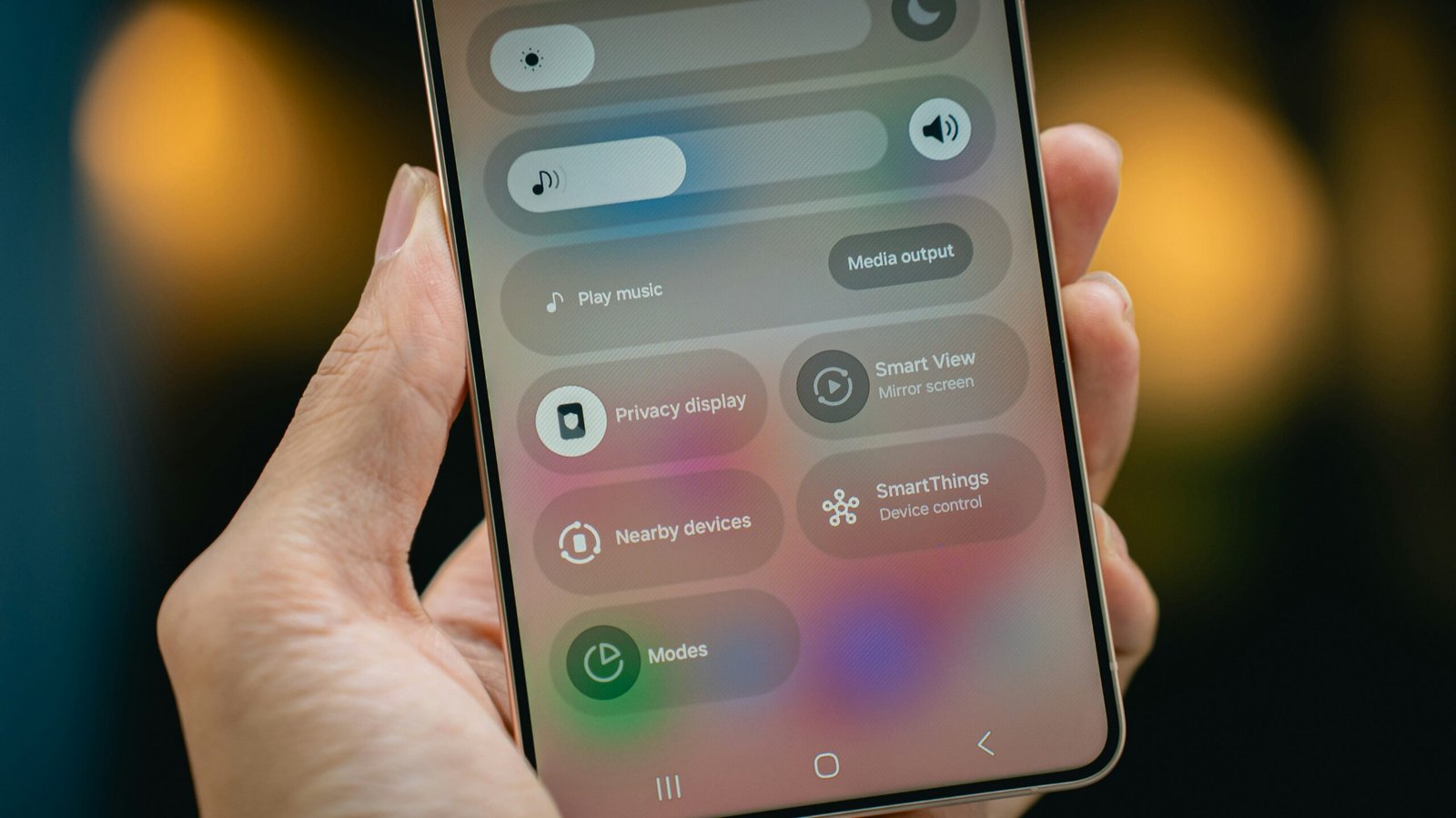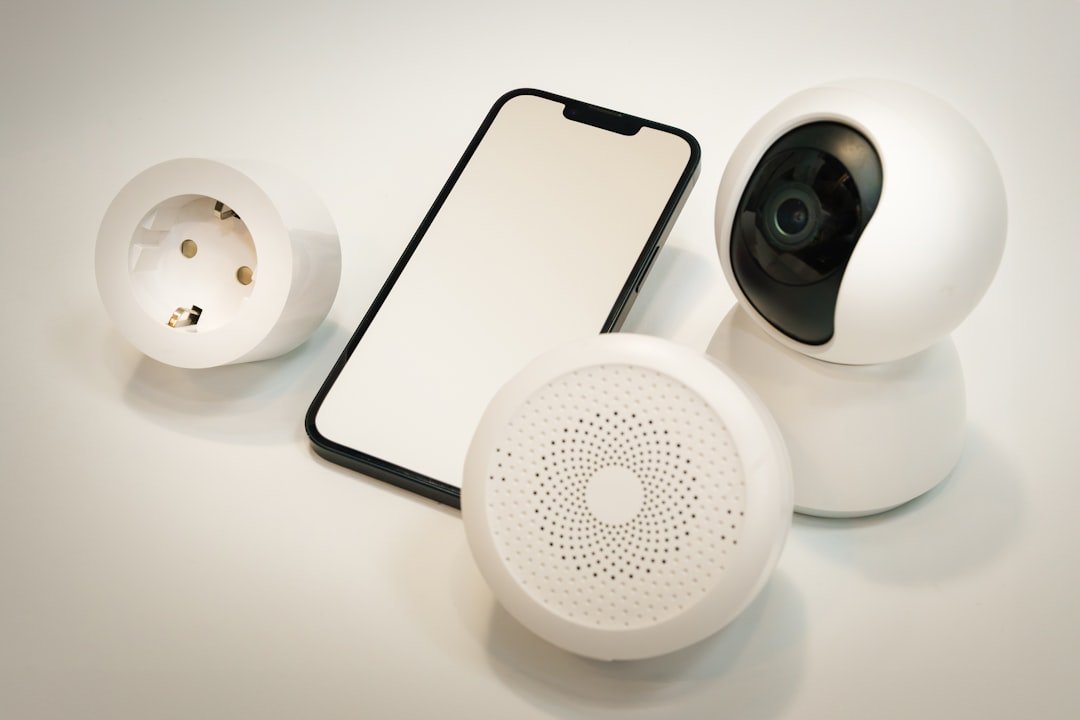
Smart home technology has fundamentally changed how people interact with their living spaces. Smart home devices—including smart thermostats, lighting systems, security cameras, and voice-activated assistants—are now common in many households. These devices offer practical benefits such as increased convenience, reduced energy consumption, and improved control over home functions.
By incorporating Internet of Things (IoT) technology, homeowners can monitor and manage their homes remotely using smartphones or other connected devices, creating a user-friendly experience. As the smart home device market grows, the supporting systems become more complex. These devices communicate with each other and with cloud-based services through interconnected networks.
While this interconnectedness improves system capabilities, it also creates security and privacy risks. As more devices connect to home networks, homeowners need to understand these technology implications to protect their personal information and maintain the security of their smart home systems.
Importance of Secure Communication
Secure communication is a fundamental aspect of any networked system, particularly in the context of smart home devices. As these devices collect and transmit sensitive data, including personal preferences, usage patterns, and even video feeds from security cameras, ensuring that this information is protected from unauthorized access is paramount. The importance of secure communication extends beyond mere data protection; it encompasses the overall trustworthiness of the smart home ecosystem.
Homeowners must be able to rely on their devices to function correctly without fear of interception or manipulation by malicious actors. Moreover, secure communication protocols help to establish a foundation for interoperability among various smart home devices. Many manufacturers utilize different communication standards, which can lead to compatibility issues if not properly managed.
By implementing secure communication methods, manufacturers can ensure that their devices can communicate effectively while maintaining a high level of security. This not only enhances user experience but also fosters consumer confidence in adopting smart home technologies.
Risks of Unsecured Smart Home Networks

The risks associated with unsecured smart home networks are multifaceted and can have serious implications for homeowners. One of the most pressing concerns is the potential for unauthorized access to personal data. Cybercriminals can exploit vulnerabilities in smart home devices to gain entry into a network, allowing them to intercept sensitive information or even take control of connected devices.
For instance, a hacker could manipulate a smart lock, granting themselves access to a home without the owner’s knowledge. In addition to data breaches, unsecured networks can also lead to broader security threats. For example, compromised smart cameras can be used for surveillance purposes by malicious actors, infringing on the privacy of individuals within the home.
Furthermore, unsecured devices can be co-opted into botnets—networks of compromised devices that can be used to launch distributed denial-of-service (DDoS) attacks against other targets. The consequences of such attacks can be devastating, affecting not only individual homeowners but also larger networks and services that rely on internet connectivity.
Methods for Securing Smart Home Devices
Securing smart home devices requires a multifaceted approach that encompasses both hardware and software solutions. One effective method is to change default passwords on devices immediately upon installation. Many manufacturers ship their products with generic passwords that are widely known and easily accessible online.
By replacing these with strong, unique passwords, homeowners can significantly reduce the risk of unauthorized access. Another critical method involves keeping device firmware up to date. Manufacturers frequently release updates that address security vulnerabilities and improve functionality.
Regularly checking for and installing these updates ensures that devices are equipped with the latest protections against emerging threats. Additionally, homeowners should consider segmenting their networks by creating separate Wi-Fi networks for smart devices and personal computers or smartphones. This practice limits the potential damage that could occur if one device is compromised, as it isolates sensitive data from less secure devices.
Encryption and Authentication
| Metric | Description | Typical Values/Standards | Importance for Safe Communication |
|---|---|---|---|
| Encryption Protocol | Method used to secure data transmission | TLS 1.2/1.3, AES-128/256 | Prevents unauthorized access and eavesdropping |
| Authentication Method | Process to verify device identity | OAuth, WPA3, Mutual TLS | Ensures only trusted devices connect to the network |
| Communication Frequency | How often devices send/receive data | Every few seconds to minutes | Balances responsiveness with network load and security |
| Network Protocols | Protocols used for device communication | MQTT, CoAP, HTTPS, Zigbee, Z-Wave | Supports secure and efficient data exchange |
| Firmware Update Frequency | How often devices receive security patches | Monthly to quarterly | Keeps devices protected against vulnerabilities |
| Data Integrity Checks | Methods to ensure data is not altered | Checksums, Hashing (SHA-256) | Detects tampering or corruption of data |
| Latency | Time delay in communication | Typically under 100 ms | Ensures timely and reliable device responses |
| Access Control | Restrictions on device and user permissions | Role-based access, MAC filtering | Limits exposure to unauthorized control |
Encryption plays a vital role in securing communications between smart home devices and their associated applications or cloud services. By converting data into a coded format that can only be deciphered by authorized parties, encryption helps protect sensitive information from interception during transmission. For instance, many smart home systems utilize Transport Layer Security (TLS) protocols to encrypt data exchanged between devices and servers, ensuring that even if data packets are intercepted, they remain unreadable without the appropriate decryption keys.
Authentication mechanisms are equally important in establishing secure communication channels. These mechanisms verify the identity of users and devices before granting access to sensitive information or functionalities. Multi-factor authentication (MFA) is an effective strategy that requires users to provide multiple forms of verification—such as a password combined with a fingerprint or a one-time code sent via SMS—before accessing their smart home systems.
This added layer of security makes it significantly more difficult for unauthorized individuals to gain access, thereby enhancing overall system integrity.
Secure Communication Protocols

The choice of communication protocols used by smart home devices can greatly influence their security posture. Several protocols have been developed specifically for IoT applications, each with its own strengths and weaknesses. For example, Zigbee and Z-Wave are popular protocols for low-power, short-range communication between smart devices.
Both protocols incorporate security features such as encryption and authentication but may vary in their implementation and effectiveness. Another notable protocol is MQTT (Message Queuing Telemetry Transport), which is designed for lightweight messaging in IoT environments. MQTT supports secure communication through TLS encryption and offers features like client authentication and message integrity checks.
However, its reliance on a central broker can introduce vulnerabilities if not properly secured. Homeowners should be aware of the protocols used by their devices and ensure that they are configured correctly to maximize security.
Best Practices for Network Security
Implementing best practices for network security is essential for safeguarding smart home environments against potential threats. One fundamental practice is to regularly monitor network activity for any unusual behavior or unauthorized access attempts. Many modern routers come equipped with built-in security features that allow users to track connected devices and receive alerts about suspicious activity.
Additionally, utilizing strong Wi-Fi encryption standards such as WPA3 can significantly enhance network security. WPA3 offers improved protection against brute-force attacks compared to its predecessor, WPA2, making it more difficult for attackers to gain unauthorized access to the network. Homeowners should also consider disabling features such as Universal Plug and Play (UPnP), which can create vulnerabilities by allowing devices to automatically discover each other on the network without proper authentication.
Another important aspect of network security is educating all household members about safe practices when using smart home devices. This includes being cautious about sharing personal information online, recognizing phishing attempts, and understanding the importance of maintaining strong passwords across all accounts associated with smart home systems.
Conclusion and Future Considerations
As smart home technology continues to evolve, so too will the challenges associated with securing these interconnected systems. The rapid pace of innovation in this field necessitates ongoing vigilance from both manufacturers and consumers alike. Future considerations should include the development of standardized security protocols that can be universally adopted across various devices and platforms, reducing fragmentation in security practices.
Moreover, as artificial intelligence (AI) becomes increasingly integrated into smart home systems, new security paradigms will need to be established to address potential vulnerabilities introduced by machine learning algorithms and automated decision-making processes. The future landscape of smart homes will likely require a collaborative effort among industry stakeholders, policymakers, and consumers to create an environment where innovation can thrive without compromising security or privacy. In summary, while smart home devices offer remarkable benefits in terms of convenience and efficiency, they also present significant security challenges that must be addressed proactively.
By understanding the importance of secure communication, recognizing potential risks, and implementing robust security measures, homeowners can enjoy the advantages of smart technology while minimizing exposure to threats in an increasingly connected world.
FAQs
What are smart home devices?
Smart home devices are electronic gadgets connected to a home network that can be controlled remotely or automate tasks. Examples include smart thermostats, security cameras, smart lights, and voice assistants.
How do smart home devices communicate over networks?
Smart home devices communicate using various wireless protocols such as Wi-Fi, Zigbee, Z-Wave, Bluetooth, or Thread. They send and receive data through these networks to interact with each other and with control hubs or smartphones.
What security measures ensure safe communication for smart home devices?
Security measures include data encryption, secure authentication methods, regular firmware updates, network segmentation, and the use of secure communication protocols like WPA3 for Wi-Fi.
Why is encryption important for smart home device communication?
Encryption protects data transmitted between devices and networks from being intercepted or tampered with by unauthorized parties, ensuring privacy and data integrity.
What role do firmware updates play in smart home device security?
Firmware updates patch security vulnerabilities, fix bugs, and improve device functionality, helping to protect devices from emerging threats and exploits.
Can smart home devices be hacked?
Yes, if not properly secured, smart home devices can be vulnerable to hacking attempts. Using strong passwords, enabling encryption, and keeping devices updated reduces this risk.
What is network segmentation and how does it help smart home security?
Network segmentation involves separating smart home devices onto a different network or VLAN from primary devices like computers. This limits the potential damage if a smart device is compromised.
Are all smart home communication protocols equally secure?
No, security varies by protocol. For example, Wi-Fi with WPA3 encryption is generally secure, while some older protocols may have vulnerabilities. Choosing devices that support modern, secure protocols is recommended.
How can users ensure their smart home devices communicate safely?
Users should change default passwords, enable encryption, keep devices updated, use secure Wi-Fi settings, and consider network segmentation to enhance communication safety.
Do smart home devices communicate directly or through a hub?
It depends on the system. Some devices communicate directly over Wi-Fi, while others use a central hub that manages communication using protocols like Zigbee or Z-Wave for better security and efficiency.