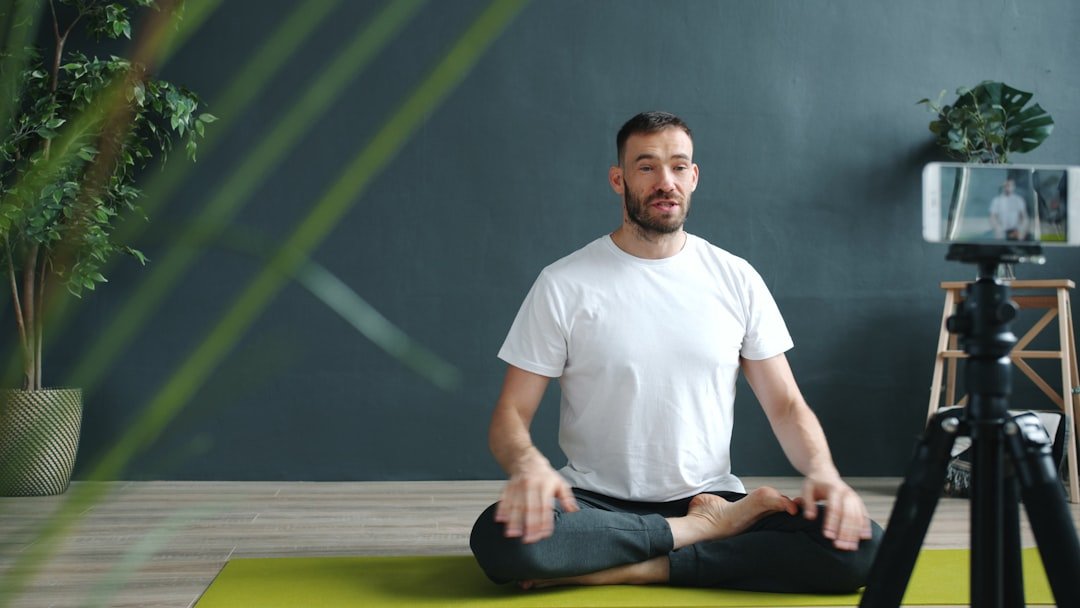
Sciatica is a condition characterized by pain that radiates along the sciatic nerve pathway, which extends from the lower back through the hips and buttocks to each leg. The pain intensity varies widely, from mild discomfort to sharp, burning sensations. Sciatica results from compression or irritation of the sciatic nerve, with common causes including herniated discs, spinal stenosis, and degenerative disc disease.
Bone spurs on the spine or spinal narrowing can also compress the nerve and produce sciatic pain. Lifestyle factors contribute significantly to sciatica development. Prolonged sitting, poor posture, and sedentary behavior can worsen spinal conditions and irritate the nerve.
Systemic conditions such as diabetes, which impairs nerve function, increase sciatica risk. Additionally, activities involving heavy lifting or repetitive twisting movements place excessive stress on the lower back, potentially causing injury and nerve pain. Identifying these causative factors is essential for implementing appropriate treatment and prevention strategies.
Benefits of Yoga for Sciatica Relief
Yoga has emerged as a popular complementary therapy for managing sciatica pain due to its holistic approach to physical and mental well-being. One of the primary benefits of yoga is its ability to enhance flexibility and strength in the muscles surrounding the spine and pelvis. By engaging in regular yoga practice, individuals can improve their posture and alignment, which may alleviate pressure on the sciatic nerve.
Specific poses target tight muscles in the lower back, hips, and legs, promoting relaxation and reducing tension that can contribute to sciatica symptoms. Moreover, yoga emphasizes mindful breathing and relaxation techniques that can help manage pain perception. The practice encourages individuals to focus on their breath and cultivate a sense of calm, which can be particularly beneficial for those experiencing chronic pain.
Research has shown that mindfulness practices can lead to reduced anxiety and improved coping strategies for pain management. By integrating these techniques into a yoga routine, individuals with sciatica may find not only physical relief but also emotional support in dealing with their condition.
Precautions and Modifications for Practicing Yoga with Sciatica
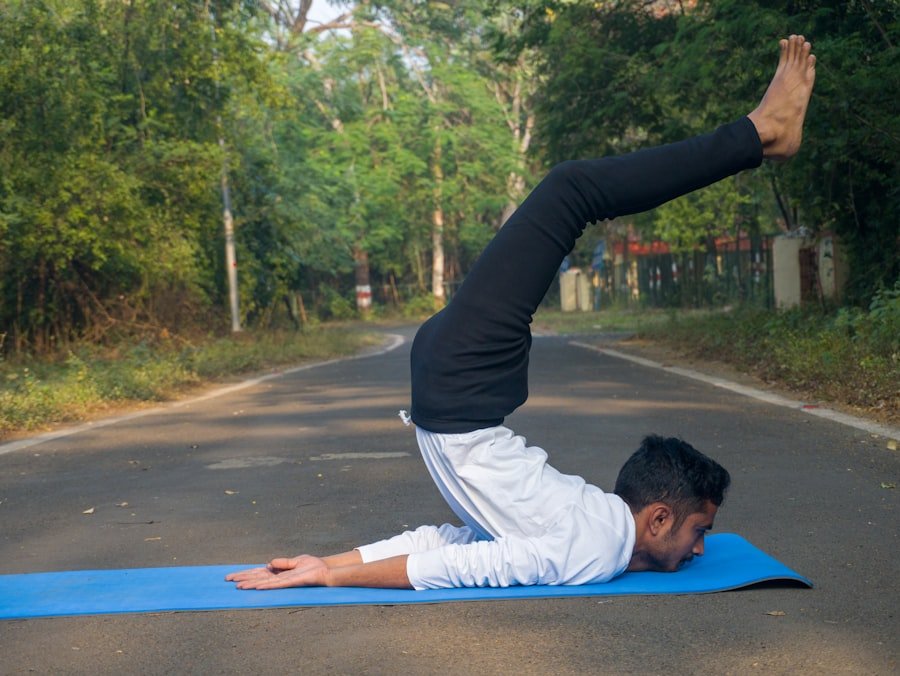
While yoga can be beneficial for sciatica relief, it is essential to approach the practice with caution. Individuals suffering from sciatica should consult with a healthcare professional before starting any new exercise regimen, especially if they have severe pain or underlying health conditions. It is crucial to listen to one’s body and avoid poses that exacerbate pain or discomfort.
Modifications may be necessary to accommodate individual limitations and ensure a safe practice. For instance, individuals may need to use props such as blocks or straps to assist in achieving proper alignment without straining. Additionally, practicing yoga on a soft surface or using a mat with adequate cushioning can provide extra support for sensitive areas.
It is also advisable to start with gentle stretches and gradually progress to more challenging poses as strength and flexibility improve. Being mindful of one’s body signals during practice is vital; if a pose causes sharp pain or discomfort, it should be modified or skipped altogether.
Yoga Poses for Sciatica Relief: Forward Folds and Hamstring Stretches
Forward folds and hamstring stretches are particularly effective for relieving tension in the lower back and legs, making them excellent choices for individuals dealing with sciatica. One of the most accessible forward folds is Uttanasana (Standing Forward Bend), which involves bending forward from a standing position while keeping the knees slightly bent. This pose helps elongate the spine and stretch the hamstrings, alleviating tightness that may contribute to sciatic pain.
To perform this pose safely, practitioners should focus on hinging at the hips rather than rounding the back, allowing for a more effective stretch without straining. Another beneficial pose is Paschimottanasana (Seated Forward Bend), which targets the hamstrings and lower back while promoting relaxation. Sitting on the floor with legs extended straight ahead, individuals can reach forward toward their feet while keeping their spine long.
If reaching the feet is challenging, using a strap around the feet can help maintain proper alignment without forcing the body into an uncomfortable position. These forward folds not only stretch tight muscles but also encourage blood flow to the affected areas, promoting healing and reducing discomfort associated with sciatica.
Yoga Poses for Sciatica Relief: Twists and Hip Openers
| Yoga Pose | Description | Duration | Benefits for Sciatica | Difficulty Level |
|---|---|---|---|---|
| Pigeon Pose (Eka Pada Rajakapotasana) | Stretches the piriformis muscle and hip rotators | 30 seconds to 1 minute per side | Relieves pressure on the sciatic nerve by loosening tight hips | Intermediate |
| Child’s Pose (Balasana) | Gentle forward fold that stretches the lower back | 1 to 3 minutes | Reduces lower back tension and soothes nerve pain | Beginner |
| Cobra Pose (Bhujangasana) | Backbend that strengthens the spine and opens the chest | 15 to 30 seconds | Improves spinal flexibility and reduces nerve compression | Beginner to Intermediate |
| Seated Spinal Twist (Ardha Matsyendrasana) | Twisting pose that stretches the spine and hips | 30 seconds per side | Enhances spinal mobility and relieves sciatic nerve tension | Intermediate |
| Downward Facing Dog (Adho Mukha Svanasana) | Inverted V-shape pose that stretches the hamstrings and calves | 1 to 2 minutes | Lengthens the spine and reduces nerve irritation | Beginner to Intermediate |
Twists and hip openers play a significant role in alleviating sciatica symptoms by promoting spinal mobility and releasing tension in the hips. A foundational twist that can be beneficial is Ardha Matsyendrasana (Half Lord of the Fishes Pose). This seated twist helps improve spinal flexibility while gently massaging the abdominal organs and stimulating circulation in the lower back.
To perform this pose safely, individuals should sit tall with one leg bent in front while the other leg is crossed over it. As they twist toward the bent knee, they should focus on lengthening the spine rather than forcing the twist. Hip openers such as Baddha Konasana (Bound Angle Pose) are also effective for relieving sciatica pain.
This pose involves sitting with the soles of the feet together and gently pressing the knees toward the ground. It opens up the hips and stretches the inner thighs while promoting relaxation in the lower back. Practitioners should be mindful of their limits; if they experience discomfort in their knees or lower back, they can place cushions or blocks under their knees for added support.
Incorporating these twists and hip openers into a regular yoga practice can significantly enhance mobility and reduce tension in areas affected by sciatica.
Yoga Poses for Sciatica Relief: Backbends and Spinal Stretches
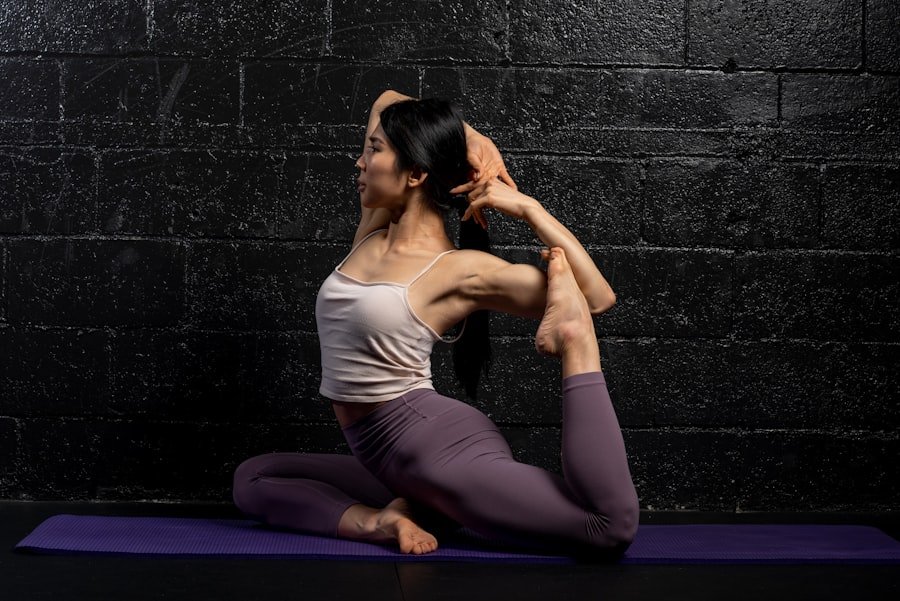
Backbends and spinal stretches are essential components of a yoga practice aimed at relieving sciatica pain. These poses help counteract the effects of prolonged sitting and promote spinal extension, which can alleviate pressure on the sciatic nerve. One effective backbend is Bhujangasana (Cobra Pose), which strengthens the lower back while stretching the chest and shoulders.
To perform this pose, individuals lie face down on their mats, placing their hands under their shoulders before gently lifting their chest off the ground while keeping their pelvis grounded. This action encourages spinal extension without excessive strain. Another beneficial spinal stretch is Balasana (Child’s Pose), which provides a gentle release for the lower back while promoting relaxation.
Kneeling on the mat with toes together and knees apart, individuals can fold forward, resting their forehead on the ground while extending their arms in front or alongside their body. This pose allows for deep breathing and encourages a sense of calm while gently stretching the spine and hips. Incorporating these backbends and spinal stretches into a yoga routine can help restore balance to the body and alleviate discomfort associated with sciatica.
Creating a Regular Yoga Practice for Long-Term Sciatica Relief
Establishing a consistent yoga practice is crucial for long-term relief from sciatica symptoms. Individuals should aim to practice regularly—ideally several times a week—to experience sustained benefits. Creating a routine that incorporates various poses targeting flexibility, strength, and relaxation will provide comprehensive support for managing sciatica pain.
It may be helpful to set aside dedicated time each day or week for yoga practice, treating it as an essential part of self-care. In addition to physical practice, incorporating mindfulness techniques such as meditation or breathwork can enhance overall well-being. Mindfulness practices help cultivate awareness of bodily sensations and promote relaxation, which can be particularly beneficial for those dealing with chronic pain conditions like sciatica.
Keeping a journal to track progress and reflect on experiences during yoga practice can also provide valuable insights into what works best for individual needs.
Seeking Professional Help: When to Consult a Doctor or Physical Therapist for Sciatica
While yoga can be an effective tool for managing sciatica symptoms, there are times when professional intervention is necessary. Individuals experiencing severe or persistent pain should consult a healthcare provider or physical therapist for an accurate diagnosis and tailored treatment plan. A medical professional can assess underlying conditions contributing to sciatica symptoms and recommend appropriate interventions such as physical therapy, medication, or imaging studies if needed.
Physical therapists play a vital role in developing personalized exercise programs that address specific needs related to sciatica. They can provide guidance on proper body mechanics during daily activities and teach targeted exercises designed to strengthen core muscles and improve flexibility. In some cases, additional treatments such as chiropractic care or acupuncture may also be beneficial in conjunction with yoga practice.
Recognizing when to seek professional help ensures that individuals receive comprehensive care tailored to their unique circumstances while maximizing their potential for recovery from sciatica pain.
FAQs
What is sciatica and what causes it?
Sciatica refers to pain that radiates along the path of the sciatic nerve, which runs from the lower back through the hips and buttocks down each leg. It is commonly caused by a herniated disk, bone spur on the spine, or narrowing of the spine (spinal stenosis) that compresses part of the nerve.
Can yoga help relieve sciatica pain?
Yes, yoga can help relieve sciatica pain by stretching and strengthening muscles that support the lower back and hips, improving flexibility, and reducing nerve compression. Specific yoga poses target areas that may contribute to sciatic nerve irritation.
Which yoga poses are recommended for sciatica relief?
Common yoga poses recommended for sciatica relief include the Pigeon Pose, Child’s Pose, Cat-Cow Pose, Downward-Facing Dog, and Reclining Spinal Twist. These poses help stretch the lower back, hips, and hamstrings, which can alleviate pressure on the sciatic nerve.
Are there any precautions to take when doing yoga for sciatica?
Yes, it is important to avoid poses that cause sharp or increased pain. Individuals should move slowly and gently, listen to their bodies, and avoid overstretching. Consulting a healthcare provider or a qualified yoga instructor before starting is advisable, especially if the sciatica is severe or caused by a serious condition.
How often should I practice yoga to see improvement in sciatica symptoms?
Practicing yoga regularly, such as 3 to 5 times per week, can help improve flexibility and reduce sciatica symptoms over time. Consistency is key, but it is important to balance practice with rest and avoid overexertion.
Can yoga replace medical treatment for sciatica?
Yoga can be a complementary therapy for managing sciatica symptoms but should not replace medical treatment. It is important to follow the advice of healthcare professionals and use yoga as part of a comprehensive treatment plan.
Is yoga safe for all types of sciatica?
Yoga is generally safe for many people with sciatica, but those with severe nerve compression, underlying spinal conditions, or recent injuries should seek medical advice before starting yoga. Modifications may be necessary to accommodate individual needs and limitations.