Space optimization is a critical aspect of interior design, particularly in smaller areas such as bathrooms. Effective use of space can transform a cramped, uninviting room into a functional and aesthetically pleasing environment. In bathrooms, where every square foot is valuable, maximizing space significantly enhances both usability and comfort.
Beyond aesthetics, space optimization improves the overall functionality of the room. A well-optimized bathroom facilitates smoother daily routines, allowing individuals to navigate and utilize the space more efficiently. Optimizing space can also increase property value.
Potential buyers seek homes that offer practical solutions to common issues, including limited space. A thoughtfully designed bathroom with clever storage solutions and efficient layouts serves as a significant selling point. By prioritizing space optimization, homeowners improve their living experience while investing in their property’s long-term value.
This dual benefit demonstrates why space optimization should be a fundamental principle in bathroom design.
Utilizing Light and Color to Create an Open Atmosphere
Light and color are two powerful tools in the realm of interior design, particularly when it comes to creating an open atmosphere in smaller bathrooms. Natural light, when harnessed effectively, can make a space feel larger and more inviting. Large windows or strategically placed skylights can flood the room with sunlight, enhancing its overall ambiance.
If natural light is limited, incorporating bright artificial lighting can also help create an illusion of openness. Layered lighting, which combines ambient, task, and accent lighting, can add depth and dimension to the space, making it feel less confined. Color selection is equally crucial in establishing an open atmosphere.
Lighter shades, such as whites, soft pastels, and light grays, can reflect light and create a sense of airiness. These colors tend to make walls recede visually, contributing to an expansive feel. Conversely, darker colors can absorb light and make a room feel smaller and more enclosed.
However, this does not mean that darker hues should be entirely avoided; they can be used effectively as accents or in combination with lighter tones to create contrast and interest without overwhelming the space.
Choosing the Right Fixtures and Fittings for a Small Bathroom
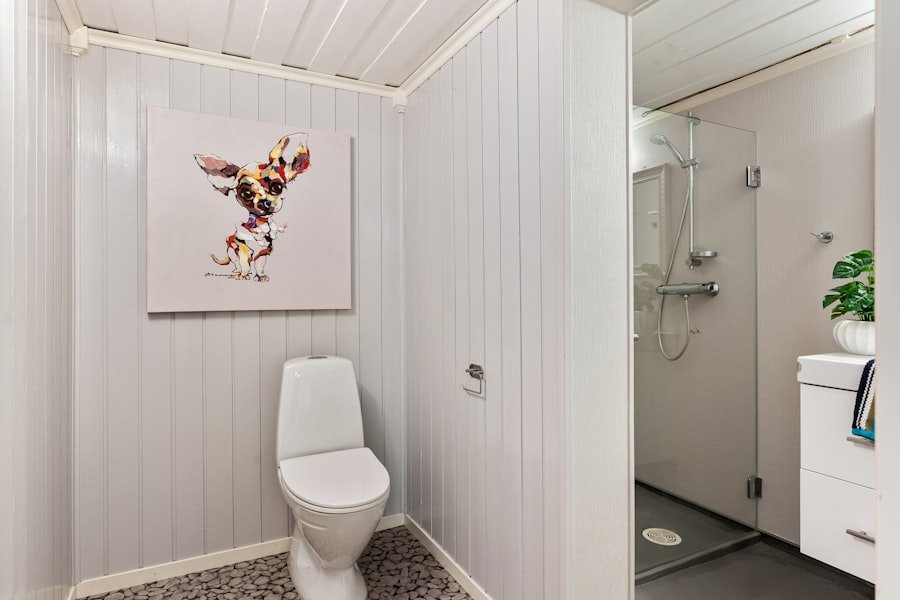
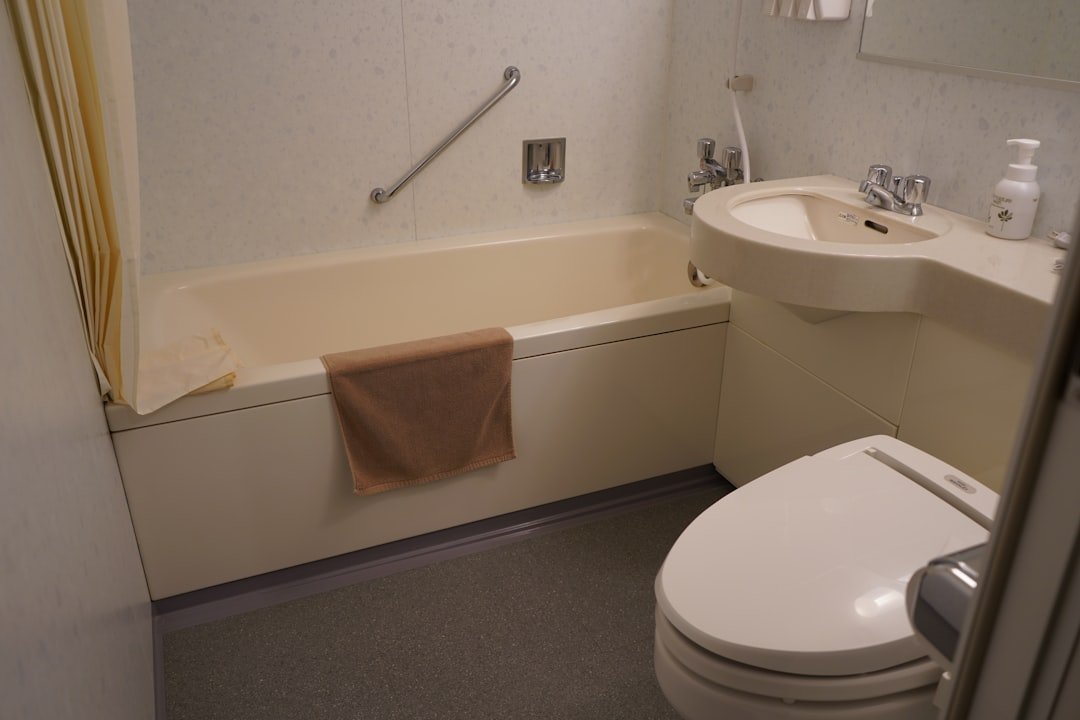
When it comes to small bathrooms, the choice of fixtures and fittings is paramount. Selecting appropriately sized elements can significantly impact the overall functionality and aesthetic appeal of the space. For instance, opting for a compact vanity or a pedestal sink can free up valuable floor space while still providing essential functionality.
Wall-mounted faucets can also contribute to a streamlined look, reducing visual clutter and enhancing the sense of openness. In addition to size considerations, the style of fixtures plays a crucial role in defining the bathroom’s character. Sleek, modern designs often work well in small spaces, as they tend to have clean lines and minimal ornamentation.
Choosing fixtures with reflective surfaces, such as chrome or polished nickel, can further enhance the feeling of spaciousness by bouncing light around the room. Furthermore, selecting multifunctional fixtures—such as a shower-tub combo or a toilet with built-in storage—can maximize utility without compromising on style.
Incorporating Storage Solutions to Minimize Clutter
Clutter is one of the most significant challenges in small bathrooms, often leading to a cramped and chaotic environment. To combat this issue, incorporating smart storage solutions is essential. Utilizing vertical space is one effective strategy; tall cabinets or shelving units can draw the eye upward while providing ample storage for toiletries and towels.
Open shelving can also be an attractive option, allowing for easy access to frequently used items while adding decorative elements that enhance the overall design. Another innovative approach is to integrate storage into existing fixtures. For example, vanities with built-in drawers or cabinets can conceal everyday items while keeping them within reach.
Additionally, utilizing under-sink storage solutions—such as baskets or pull-out drawers—can help maximize this often-overlooked area. By thoughtfully considering storage options, homeowners can create a more organized and serene bathroom environment that feels spacious and inviting.
Selecting the Appropriate Flooring and Wall Materials for a Larger Appearance
| Metric | Value | Notes |
|---|---|---|
| Average Small Bathroom Size | 25-40 sq ft | Typical range for small bathrooms |
| Recommended Color Palette | Light neutrals (white, beige, pastels) | Helps create an open, airy feel |
| Optimal Lighting | Bright, layered lighting | Includes overhead and task lighting |
| Storage Solutions | Wall-mounted shelves, recessed niches | Maximizes space without clutter |
| Fixture Size | Compact or wall-hung fixtures | Frees up floor space |
| Mirror Size | Large or full-wall mirrors | Creates illusion of more space |
| Flooring Pattern | Diagonal or large tiles | Visually expands the floor area |
| Shower Type | Clear glass, walk-in showers | Prevents visual barriers |
| Ventilation | Powerful exhaust fan | Prevents moisture buildup and mold |
| Decluttering Frequency | Weekly | Keeps space feeling open and tidy |
The choice of flooring and wall materials can significantly influence how spacious a bathroom feels. Light-colored tiles or vinyl flooring can create an expansive effect by reflecting light and making the room appear larger. Large-format tiles are particularly effective; they reduce grout lines and create a seamless look that enhances the sense of space.
Additionally, choosing materials with a glossy finish can amplify light reflection, further contributing to an airy atmosphere. Wall treatments also play a crucial role in establishing a larger appearance. For instance, using vertical stripes or patterns on walls can draw the eye upward, creating an illusion of height.
Similarly, wainscoting or beadboard can add texture without overwhelming the space when painted in light colors. Furthermore, incorporating large mirrors or reflective surfaces into wall designs can enhance depth perception and make the room feel more expansive than it is.
Implementing Space-Saving Design Elements and Layouts
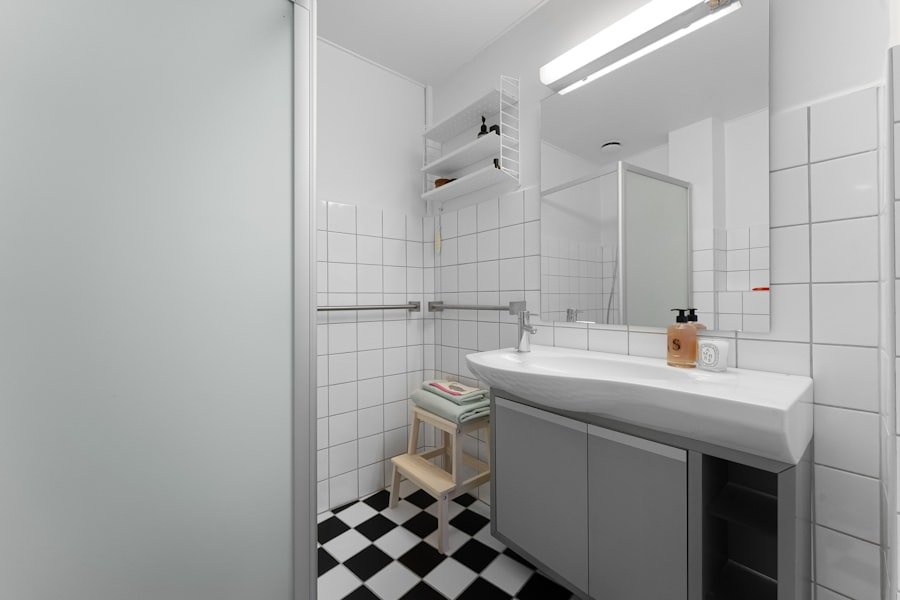
Space-saving design elements are essential for maximizing functionality in small bathrooms. One effective approach is to consider unconventional layouts that prioritize flow and accessibility. For example, placing fixtures in a corner rather than along a wall can free up floor space and create a more open layout.
Additionally, using sliding doors instead of traditional hinged doors can eliminate the need for clearance space, allowing for more flexible arrangements. Another innovative design element is the use of foldable or retractable features. A fold-down shower seat or a collapsible drying rack can provide additional functionality without permanently occupying valuable space.
Furthermore, integrating built-in niches within shower walls for toiletries not only saves space but also contributes to a clean and streamlined look. By embracing creative design solutions, homeowners can achieve a highly functional bathroom that feels spacious and inviting.
Incorporating Mirrors and Glass to Create the Illusion of Space
Mirrors and glass are invaluable tools in creating the illusion of space within small bathrooms. Strategically placing mirrors can reflect light and visually expand the room’s dimensions. A large mirror above the vanity not only serves a practical purpose but also acts as a focal point that draws attention away from any cramped corners.
Additionally, mirrored cabinets or shelving units can enhance this effect by providing both storage and reflective surfaces. Glass elements also contribute significantly to an open atmosphere. For instance, opting for glass shower enclosures instead of bulky curtains or opaque doors allows light to flow freely throughout the space while maintaining privacy.
Similarly, using glass shelving can create an airy feel by minimizing visual weight while still providing functional storage solutions. By thoughtfully incorporating mirrors and glass into bathroom design, homeowners can achieve a sense of openness that belies the room’s actual size.
Utilizing Vertical Space for Additional Storage and Functionality
In small bathrooms where floor space is at a premium, utilizing vertical space becomes essential for maximizing both storage and functionality. Tall cabinets that reach up to the ceiling can provide ample storage without encroaching on valuable floor area. These cabinets can be designed with pull-out shelves or baskets for easy access to items stored at higher levels while maintaining an organized appearance.
Wall-mounted shelves are another effective way to capitalize on vertical space. They not only offer additional storage for toiletries and decorative items but also draw the eye upward, creating an illusion of height within the room. Hooks or pegboards mounted on walls can serve as practical solutions for hanging towels or accessories while adding an element of style to the decor.
By creatively using vertical space, homeowners can enhance both the functionality and aesthetic appeal of their bathrooms without sacrificing comfort or style.
FAQs
What are some effective ways to make a small bathroom feel more spacious?
Using light colors, installing large mirrors, maximizing natural light, and choosing compact fixtures can help make a small bathroom feel more open and less crowded.
How can I choose the right fixtures for a small bathroom renovation?
Opt for space-saving fixtures such as wall-mounted sinks, floating vanities, and compact toilets. These help free up floor space and create a more open feel.
Is it better to use tiles or paint in a small bathroom?
Both can work well, but using large, light-colored tiles or paint can visually expand the space. Avoid busy patterns that may make the room feel cluttered.
How can storage be optimized in a small bathroom?
Incorporate vertical storage solutions like shelves above the toilet, recessed medicine cabinets, and under-sink organizers to keep essentials organized without taking up floor space.
What lighting options work best in small bathrooms?
Bright, layered lighting including overhead lights, vanity lights, and natural light sources can enhance the sense of space and reduce shadows that make the room feel smaller.
Can removing the bathtub help in renovating a small bathroom?
Yes, replacing a bathtub with a walk-in shower or a shower stall can free up significant space and make the bathroom feel less cramped.
Are glass shower enclosures recommended for small bathrooms?
Yes, clear glass shower enclosures allow light to pass through and maintain an open sightline, which helps the bathroom feel larger.
How important is the layout in a small bathroom renovation?
The layout is crucial; efficient use of space and proper placement of fixtures can maximize usability and prevent the bathroom from feeling crowded.
Should I consider professional help for renovating a small bathroom?
Professional designers or contractors can provide valuable advice on space optimization, plumbing, and electrical work, ensuring a functional and aesthetically pleasing renovation.
What are common mistakes to avoid when renovating a small bathroom?
Avoid overcrowding the space with large fixtures, using dark colors excessively, neglecting storage solutions, and poor lighting choices that can make the bathroom feel smaller.