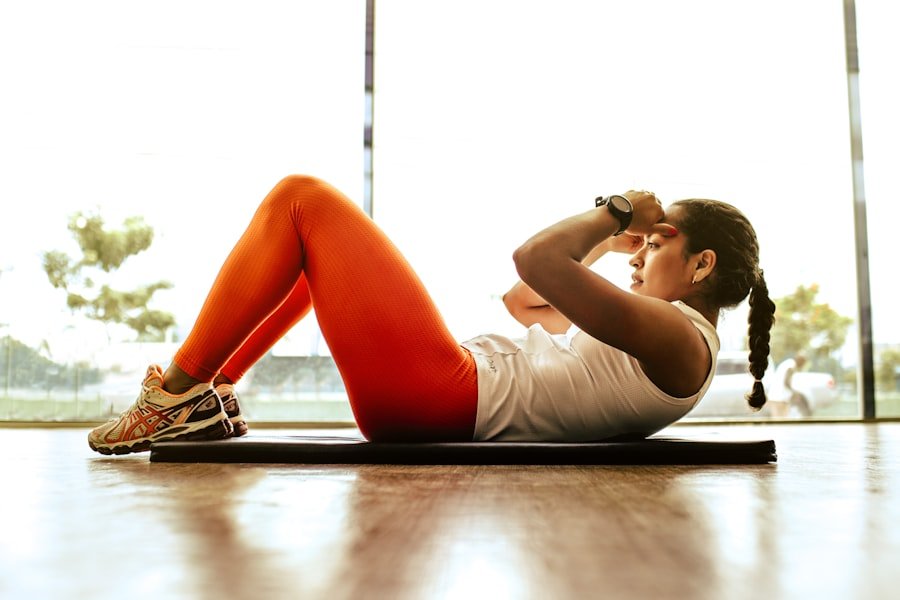
In recent years, home gyms have become increasingly popular as people seek flexible fitness options outside traditional gym memberships. The growth of small space home gyms reflects the realities of urban living, where limited square footage makes dedicated workout rooms impractical. These compact fitness areas enable people to exercise effectively without requiring large rooms or complex equipment setups.
Small space gyms offer practical convenience while allowing users to create personalized workout environments suited to their specific fitness objectives. Establishing a small space home gym demands careful planning and resourceful design. Key considerations include assessing available space, identifying preferred exercise types, and arranging equipment to avoid overcrowding.
Any area can serve this purpose—a living room corner, spare bedroom, or balcony—when converted into a functional workout zone. Success depends on optimizing available space while maintaining an environment that encourages regular exercise. This article examines practical approaches for building an effective small space home gym, including equipment selection and storage strategies.
Choosing the Right Equipment for Small Spaces
When it comes to outfitting a small space home gym, selecting the right equipment is crucial. The goal is to choose versatile tools that can accommodate a variety of workouts while taking up minimal space. Resistance bands, for instance, are an excellent choice due to their lightweight nature and ability to provide resistance training without bulky weights.
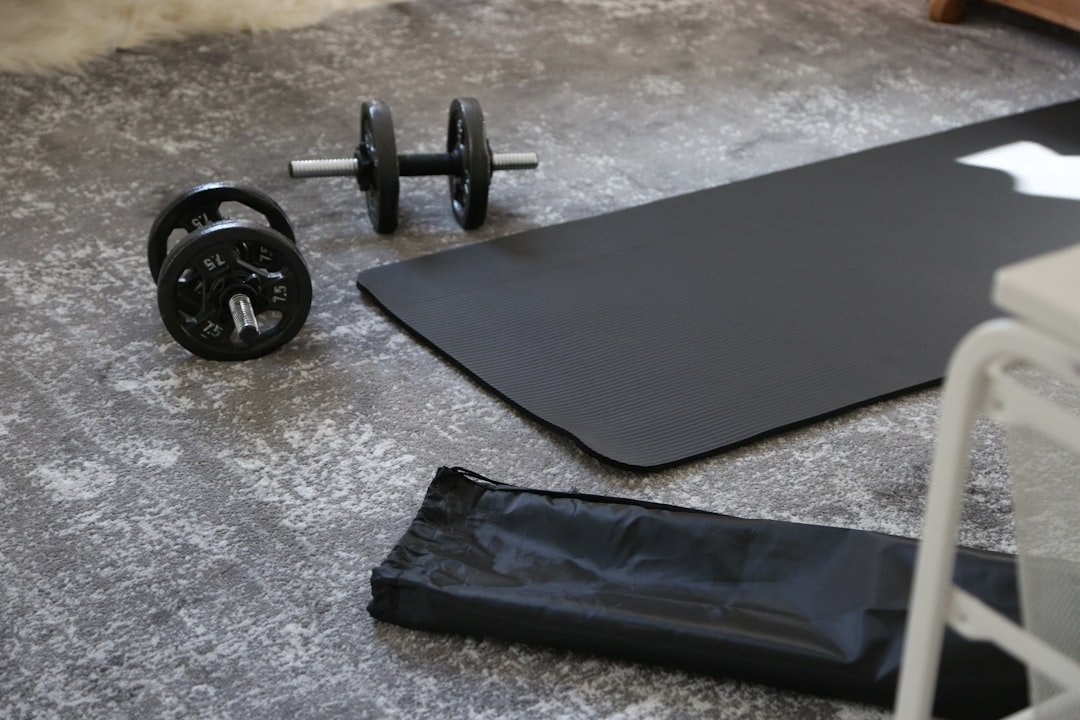
They can be easily stored in a drawer or hung on a hook when not in use, making them ideal for compact environments. Another popular option is adjustable dumbbells. Unlike traditional sets that require significant storage space, adjustable dumbbells allow users to change weights with a simple mechanism, providing the benefits of multiple weights in one compact design.
This versatility enables users to perform a wide range of exercises, from strength training to functional movements, all while keeping their workout area uncluttered. Additionally, incorporating items like stability balls or yoga mats can enhance workout variety without demanding excessive room. These pieces can be deflated or rolled up for easy storage, ensuring that the space remains functional for other activities.
Creative Storage Solutions for Home Gym Equipment
Effective storage solutions are vital for maintaining an organized small space home gym. Without proper storage, equipment can quickly become a source of clutter, detracting from the workout experience. One innovative approach is to utilize wall-mounted racks or shelves specifically designed for fitness gear.
These racks can hold items such as resistance bands, jump ropes, and even small weights, keeping them off the floor and easily accessible during workouts. Another creative solution involves using furniture that doubles as storage. For example, ottomans or benches with hidden compartments can serve as both seating and storage for gym essentials.
This dual-purpose furniture not only saves space but also contributes to a cohesive aesthetic in the room. Additionally, utilizing vertical storage options like pegboards can provide an organized way to display and access equipment while adding a unique design element to the gym area.
Utilizing Multi-Functional Furniture for Workouts
In small spaces, multi-functional furniture can be a game-changer for creating an effective home gym. Pieces that serve dual purposes allow individuals to maximize their limited square footage while still having access to necessary workout tools. For instance, a sturdy coffee table can be transformed into a workout bench for bodyweight exercises or resistance training.
By choosing furniture that is both stylish and functional, homeowners can seamlessly integrate their fitness routines into their daily lives. Another example of multi-functional furniture is a foldable dining table that can be used for workouts when not in use for meals. This flexibility allows individuals to create an impromptu workout area without permanently dedicating space to fitness equipment.
Moreover, incorporating items like yoga mats that can be rolled up and stored away after use ensures that the area remains versatile and adaptable for various activities throughout the day.
Maximizing Vertical Space for Exercise
| Metric | Details | Considerations | Example Items |
|---|---|---|---|
| Available Space | 20-50 sq ft | Measure floor area; consider vertical storage | Corner area, under desk, closet space |
| Equipment Size | Compact / Foldable | Choose foldable or stackable items to save space | Foldable treadmill, resistance bands, adjustable dumbbells |
| Weight Limit | Up to 300 lbs per equipment | Ensure equipment supports user weight safely | Adjustable bench, yoga mat, suspension trainer |
| Storage Solutions | Vertical racks, wall hooks, storage bins | Use walls and corners to avoid floor clutter | Wall-mounted racks, pegboards, under-bed storage |
| Noise Level | Low to moderate | Choose quiet equipment to avoid disturbing others | Resistance bands, yoga, bodyweight exercises |
| Cost Range | 100 – 500 | Budget for multi-use and space-saving equipment | Jump rope, kettlebells, foldable bench |
| Setup Time | 5-15 minutes | Quick assembly and disassembly preferred | Resistance bands, foldable mats, portable weights |
| Exercise Variety | Strength, cardio, flexibility | Include equipment for multiple workout types | Adjustable dumbbells, jump rope, yoga blocks |
When floor space is limited, maximizing vertical space becomes essential in a small home gym. Utilizing walls for storage and exercise can significantly enhance functionality without encroaching on valuable square footage. Wall-mounted pull-up bars or suspension trainers can provide excellent strength training options while taking up minimal room.
These installations allow users to perform bodyweight exercises that engage multiple muscle groups effectively. Additionally, vertical storage solutions such as wall shelves or hanging organizers can keep equipment off the ground and within easy reach. For example, installing hooks or brackets on walls can provide a designated spot for items like yoga mats or foam rollers.
This not only keeps the area tidy but also encourages users to maintain their fitness routine by making equipment readily accessible. By thinking vertically, individuals can create an efficient workout environment that feels spacious and organized.
Creating a Dedicated Workout Area in a Multi-Use Space
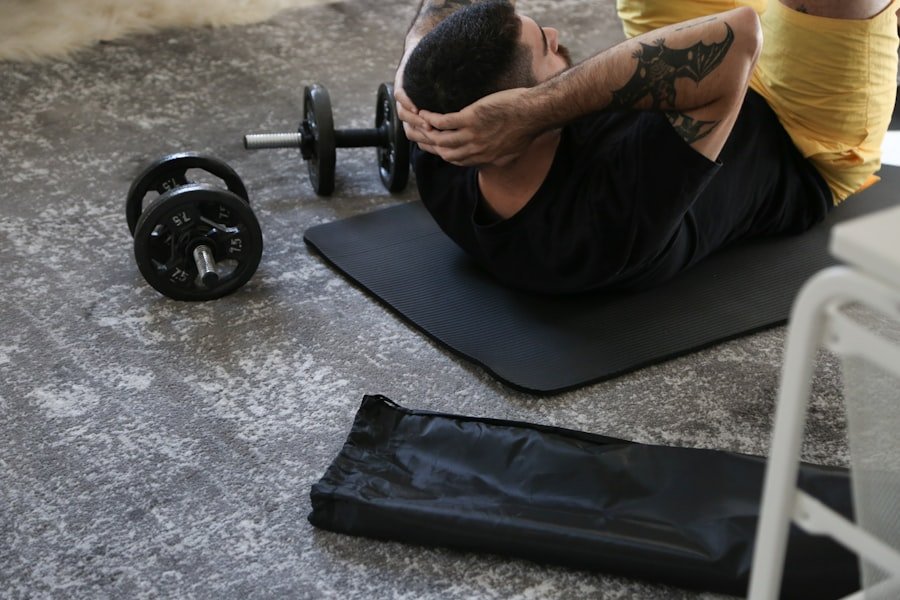
In many homes, especially those with limited square footage, rooms often serve multiple purposes. Creating a dedicated workout area within such spaces requires strategic planning and design considerations. One effective approach is to designate a specific corner or section of the room as the workout zone.
This can be achieved by using area rugs or mats to visually separate the exercise area from other functions within the room. Incorporating elements that promote focus and motivation is also essential when establishing a workout area in a multi-use space. Adding mirrors can create an illusion of more space while allowing users to monitor their form during exercises.
Furthermore, personal touches such as motivational quotes or artwork can enhance the ambiance and inspire individuals to engage in their fitness routines regularly. By thoughtfully designing this dedicated area, individuals can cultivate an environment that encourages physical activity amidst the demands of daily life.
Incorporating Portable and Foldable Equipment
Portable and foldable equipment is particularly advantageous for small space home gyms due to its versatility and ease of storage. Items like foldable exercise bikes or compact treadmills can provide effective cardio workouts without occupying permanent floor space. When not in use, these machines can be easily folded away and stored in closets or under beds, allowing homeowners to reclaim their living areas.
Moreover, incorporating portable equipment such as kettlebells or medicine balls adds variety to workouts without requiring extensive storage solutions. These items are typically compact and can be stacked or stored in bins when not in use. The ability to quickly set up and dismantle workout stations makes it easier for individuals to fit exercise into their busy schedules, ensuring that fitness remains a priority even in limited spaces.
Tips for Keeping a Small Space Home Gym Organized and Motivating
Maintaining organization in a small space home gym is crucial for fostering motivation and ensuring that workouts remain enjoyable rather than cumbersome. One effective strategy is to establish a regular cleaning routine that includes tidying up equipment after each use. This practice not only keeps the area clutter-free but also reinforces the habit of returning items to their designated spots.
In addition to organization, creating an inspiring atmosphere can significantly impact motivation levels. Personalizing the workout space with elements that resonate with individual preferences—such as favorite colors, artwork, or even plants—can enhance the overall experience. Furthermore, setting specific fitness goals and tracking progress visually within the space can serve as constant reminders of one’s commitment to health and wellness.
In conclusion, establishing a small space home gym requires creativity, strategic planning, and an understanding of how to maximize limited resources effectively. By choosing versatile equipment, implementing innovative storage solutions, and creating an inviting atmosphere, individuals can cultivate an environment that supports their fitness journey while seamlessly integrating into their daily lives.
FAQs
What are some space-saving equipment options for a home gym?
Space-saving equipment options include resistance bands, adjustable dumbbells, foldable yoga mats, suspension trainers, and compact cardio machines like mini steppers or foldable treadmills.
How can I create a home gym without making permanent changes to my space?
You can use portable and lightweight equipment, utilize storage solutions like shelves or bins, choose foldable or collapsible gear, and avoid mounting anything on walls or ceilings to keep your space flexible and damage-free.
What types of exercises are suitable for a limited space home gym?
Bodyweight exercises, resistance band workouts, yoga, Pilates, and small-equipment strength training are ideal for limited spaces as they require minimal room and no heavy machinery.
How can I maximize the use of vertical space in a small home gym?
Use wall-mounted racks or hooks for storing bands, jump ropes, and mats (if allowed), or opt for freestanding storage units. Vertical stacking of equipment and using tall shelving can also help keep the floor area clear.
Is it necessary to have expensive equipment to create an effective home gym in a small space?
No, many effective workouts can be done with minimal or inexpensive equipment such as resistance bands, kettlebells, or bodyweight exercises, making it possible to create a functional gym without a large investment.
How can I ensure safety while working out in a limited space?
Clear the workout area of obstacles, use non-slip mats, ensure proper ventilation, and choose exercises that suit your space to avoid injury. Also, maintain good form and start with manageable intensity levels.
Can I use multi-functional equipment to save space in my home gym?
Yes, multi-functional equipment like adjustable dumbbells, foldable benches, or resistance bands with handles can provide a variety of workouts while occupying minimal space.
How do I keep my home gym organized in a small area?
Use storage bins, shelves, or baskets to keep equipment tidy. Designate specific spots for each item and regularly declutter to maintain an organized and inviting workout space.
Are there any tips for working out effectively in a small home gym?
Focus on high-intensity interval training (HIIT), circuit training, or bodyweight exercises that require less space but provide a full-body workout. Planning workouts ahead and using timers can also improve efficiency.
Can I create a home gym in a shared living space without disturbing others?
Yes, choose quieter equipment like resistance bands or yoga mats, schedule workouts during appropriate times, and use headphones for music or virtual classes to minimize disturbance.