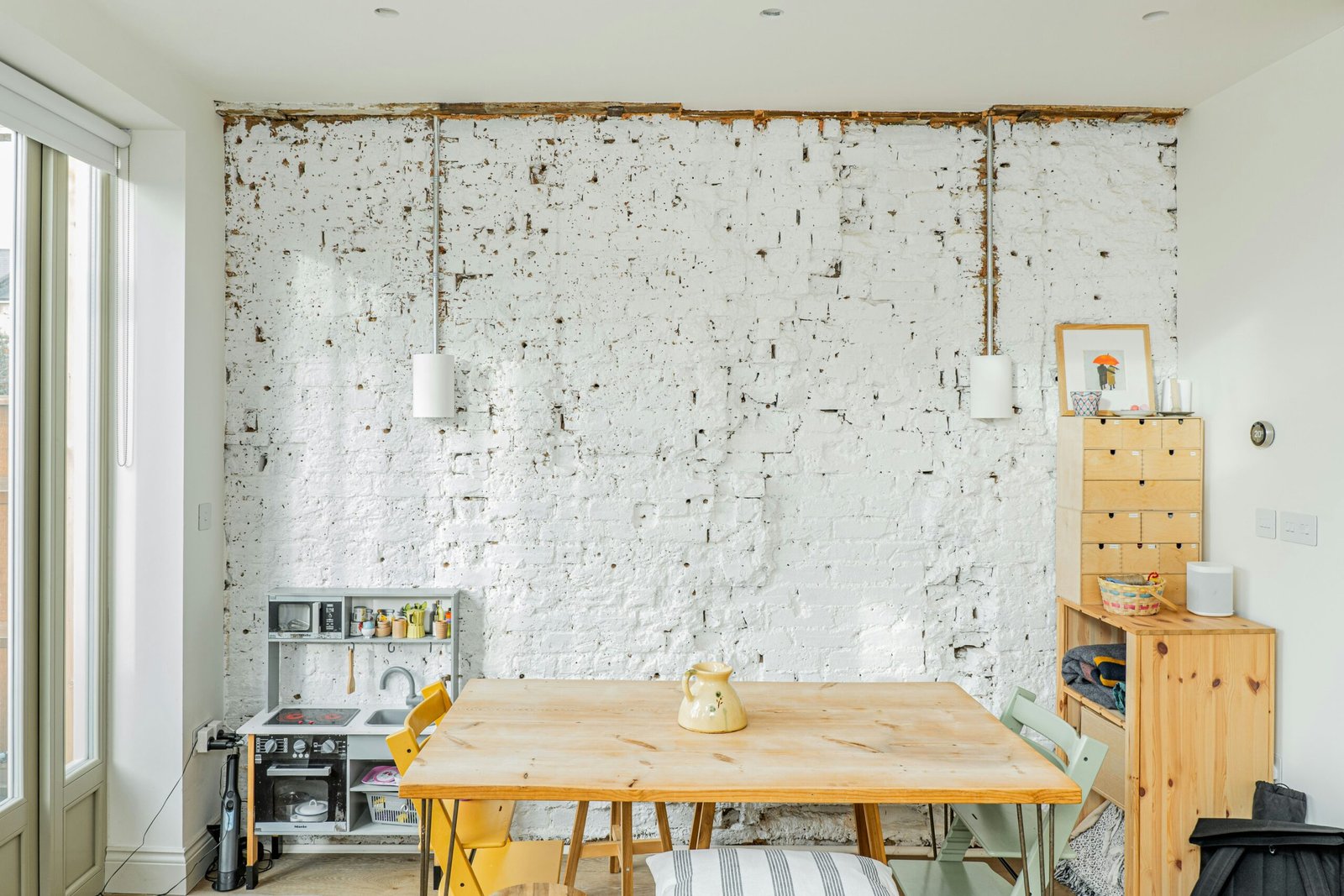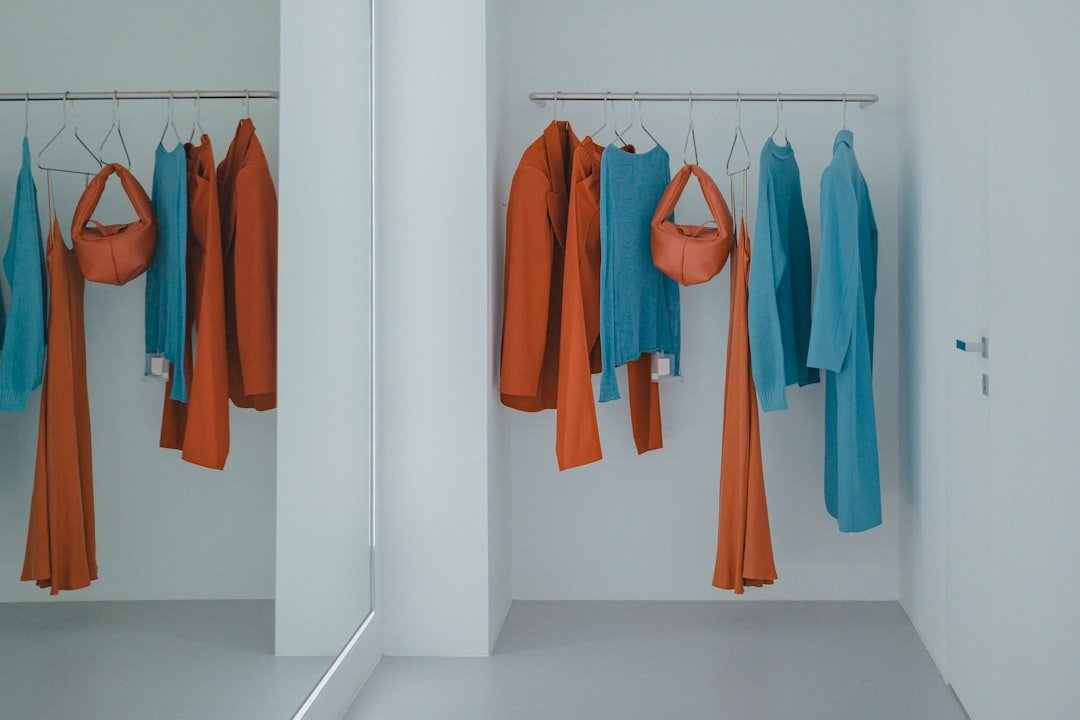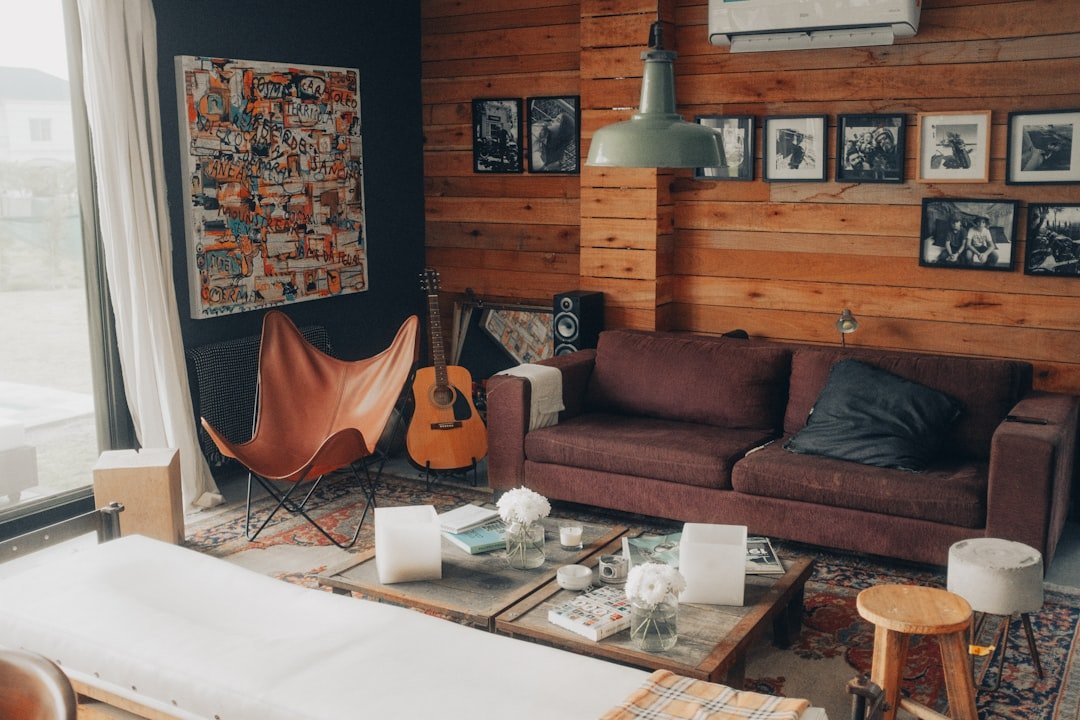
In interior design, comfort is a key consideration, especially in small spaces where efficient use of area is essential. The goal is to create an inviting and functional environment simultaneously. A properly designed small space can provide warmth and relaxation, serving as a personal retreat.
This is particularly important in urban areas where living spaces are limited and residents need a respite from city activity. The comfort level of a living space directly affects quality of life and overall well-being. Comfort in small spaces involves both visual design and practical functionality.
Furniture placement significantly affects how residents use and experience the space. An effective layout improves movement and reduces the feeling of confinement, allowing people to move comfortably through their environment. Adding soft furnishings, supportive furniture, and appropriate lighting can enhance the relaxation quality of a small area.
By emphasizing comfort, residents can create a space that fulfills both their practical requirements and supports their physical and mental health.
Utilizing Multi-functional Furniture and Storage Solutions
In small spaces, the use of multi-functional furniture is a game-changer. This type of furniture serves more than one purpose, allowing residents to maximize their limited square footage effectively. For example, a sofa bed can transform a living room into a guest room overnight, while an ottoman with hidden storage can double as both seating and a place to stow away blankets or magazines.
The versatility of such pieces enables individuals to adapt their living spaces to various needs without overcrowding them with excess furniture. Storage solutions are equally vital in small spaces. Creative storage options can help maintain organization while ensuring that essential items are easily accessible.
Wall-mounted shelves, for instance, can free up floor space while providing a platform for books, plants, or decorative items. Under-bed storage containers are another practical solution, allowing residents to utilize otherwise wasted space. By integrating these multi-functional elements into their design, individuals can create an environment that is not only aesthetically pleasing but also highly functional, catering to their lifestyle needs.
Incorporating Natural Light and Air Circulation
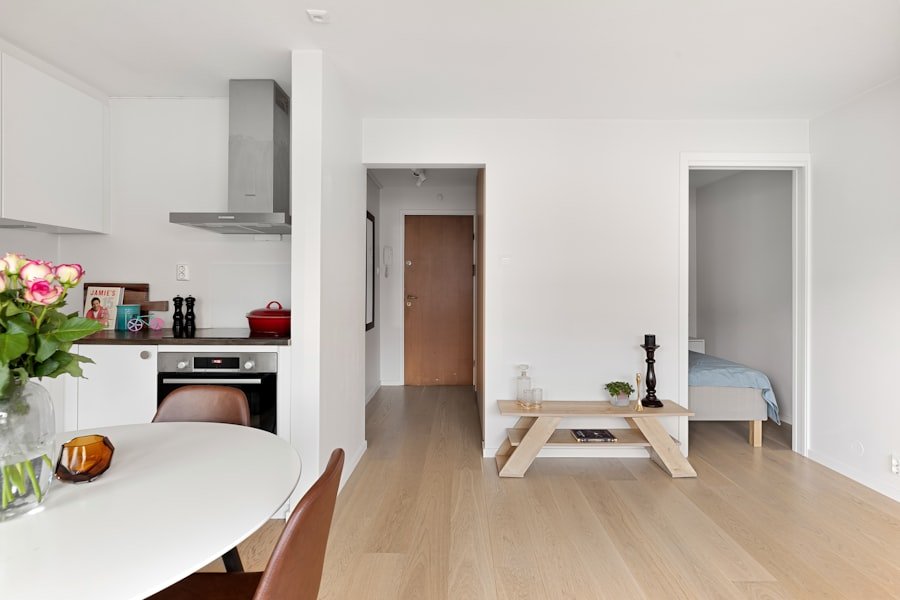
Natural light plays a crucial role in enhancing the ambiance of small spaces. It has the power to make an area feel larger and more inviting while also contributing to the overall mood of the inhabitants. Large windows or strategically placed mirrors can reflect light and create an illusion of depth, making even the tiniest rooms feel more expansive.
Additionally, incorporating sheer curtains or blinds allows for light filtration while maintaining privacy, striking a balance between openness and seclusion. Air circulation is another essential aspect that complements natural light in small spaces. Stagnant air can lead to discomfort and an uninviting atmosphere.
To promote airflow, consider using ceiling fans or strategically opening windows to create cross-ventilation. Indoor plants can also contribute to better air quality while adding a touch of nature to the decor. By ensuring that both light and air circulate freely within a small space, residents can foster an environment that feels fresh and invigorating.
Choosing the Right Color Palette and Textures
The color palette chosen for a small space can significantly influence its perceived size and overall mood. Lighter colors tend to reflect light, creating an airy feel that can make a room appear larger than it is. Soft whites, pale blues, and gentle pastels are often favored in small spaces for their ability to evoke tranquility and openness.
Conversely, darker colors can create a cozy atmosphere but may also make a room feel more confined if not used judiciously. A well-balanced approach might involve using darker hues as accent walls or in smaller areas to add depth without overwhelming the space. Textures also play a vital role in enhancing the visual interest of small areas.
Mixing various textures—such as smooth surfaces with plush fabrics—can create a dynamic environment that feels layered and inviting. For instance, pairing a sleek leather sofa with soft knit throws or velvet cushions adds warmth and comfort while maintaining a modern aesthetic. Incorporating different materials like wood, metal, and textiles can further enrich the sensory experience within the space, making it feel more personalized and engaging.
Creating a Sense of Openness and Flow
| Metric | Recommended Value/Range | Description |
|---|---|---|
| Room Size | 100-300 sq ft | Typical size range for small living spaces optimized for comfort |
| Storage Space | 15-25% of total area | Percentage of space allocated to storage to reduce clutter |
| Natural Light | Minimum 100 lux | Recommended minimum natural light level for comfort and well-being |
| Furniture Size | Compact/Multipurpose | Use of space-saving or multifunctional furniture to maximize usability |
| Color Palette | Light and Neutral Colors | Colors that enhance the perception of space and brightness |
| Ventilation Rate | 0.35 air changes per hour (ACH) | Recommended ventilation rate for indoor air quality in small spaces |
| Floor Space per Person | 50-70 sq ft | Recommended minimum floor space per occupant for comfort |
| Lighting | 300-500 lumens per sq ft | Optimal artificial lighting level for small living areas |
| Noise Level | < 40 dB | Recommended maximum ambient noise level for comfort and relaxation |
Achieving a sense of openness in small spaces often requires careful planning and design choices that promote flow. One effective strategy is to maintain clear sightlines throughout the area. This can be accomplished by arranging furniture in a way that does not obstruct pathways or views.
For example, using low-profile furniture allows for unobstructed sightlines across the room, creating an illusion of greater space. Additionally, open shelving instead of bulky cabinets can help maintain visual continuity while providing necessary storage. Another way to enhance flow is through the use of area rugs to define different zones within an open layout.
By delineating spaces for specific activities—such as lounging, dining, or working—residents can create distinct areas without erecting physical barriers that may confine the overall feel of the space. This approach fosters an environment where movement feels natural and unencumbered, allowing inhabitants to transition seamlessly from one activity to another.
Incorporating Personal Touches and Decor
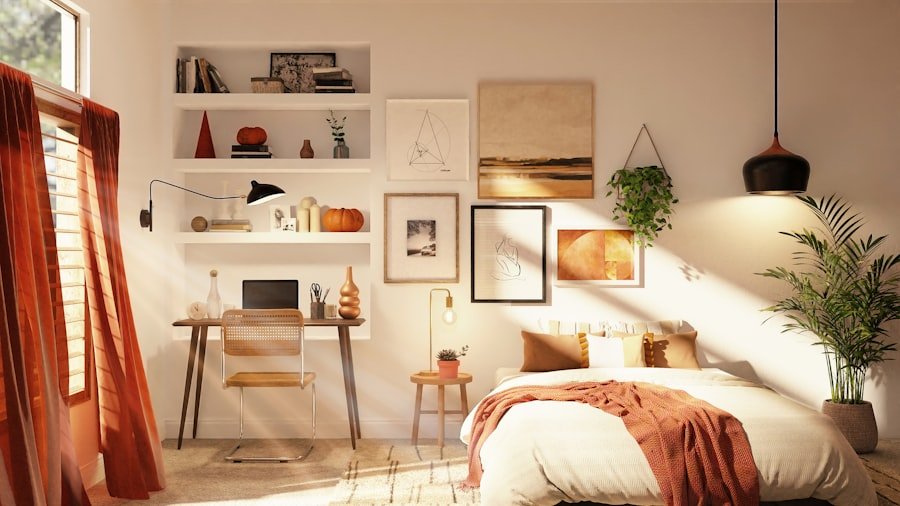
Personalization is key to transforming a small space into a true reflection of its inhabitants’ tastes and lifestyles. Incorporating personal touches through decor not only enhances the aesthetic appeal but also fosters emotional connections to the environment. Artwork, photographs, and mementos from travels can serve as focal points that tell stories about the individuals who live there.
Displaying these items thoughtfully can add character and warmth to an otherwise minimalist design. Additionally, layering decor elements such as cushions, throws, and wall hangings can create depth and interest within the space. Mixing patterns and colors that resonate with personal style can infuse energy into the design while maintaining harmony through careful selection.
Plants also play a significant role in personalizing small spaces; they not only add life but also contribute to improved air quality and overall well-being. By thoughtfully curating decor elements that resonate on a personal level, residents can create an inviting atmosphere that feels uniquely theirs.
Implementing Smart Organizational Systems
Effective organization is essential for maintaining functionality in small spaces. Implementing smart organizational systems can streamline daily activities while minimizing clutter. One approach is to categorize items based on their use and designate specific areas for each category.
For instance, kitchen utensils could be stored in drawer organizers while cleaning supplies might be kept in labeled bins under the sink. This method not only enhances efficiency but also makes it easier to locate items when needed. Another innovative organizational strategy involves utilizing vertical space through wall-mounted solutions such as pegboards or hooks.
These systems allow for easy access to frequently used items while keeping surfaces clear of clutter. In addition, using clear containers for storage enables residents to see what they have at a glance, reducing the likelihood of purchasing duplicates or misplacing essential items. By adopting these smart organizational practices, individuals can cultivate an environment that promotes productivity and reduces stress associated with disorganization.
Maintaining a Clutter-Free Environment
A clutter-free environment is vital for maximizing comfort and functionality in small spaces. Regular decluttering sessions can help prevent accumulation of unnecessary items that may encroach upon valuable living space. Establishing a routine for evaluating possessions—such as seasonal purges—can ensure that only items that serve a purpose or bring joy remain within the home.
This practice not only enhances physical space but also contributes to mental clarity by reducing visual distractions. In addition to decluttering, adopting minimalist principles can further support a clutter-free lifestyle. This involves being intentional about what enters the home and prioritizing quality over quantity when it comes to possessions.
Investing in fewer but more meaningful items can lead to a more harmonious living environment where each piece contributes positively to the overall aesthetic and functionality of the space. By committing to these practices, individuals can maintain an organized and serene atmosphere that enhances their daily lives within small quarters.
FAQs
What are some effective ways to optimize small living spaces?
Effective ways to optimize small living spaces include using multifunctional furniture, maximizing vertical storage, decluttering regularly, utilizing light colors to create an illusion of space, and incorporating mirrors to reflect light and open up the room.
How can multifunctional furniture help in small living spaces?
Multifunctional furniture, such as sofa beds, foldable tables, and storage ottomans, helps save space by serving more than one purpose. This reduces the need for multiple pieces of furniture, freeing up floor space and enhancing comfort.
Why is vertical storage important in small living spaces?
Vertical storage makes use of wall space, which is often underutilized in small areas. Installing shelves, hooks, and tall cabinets helps keep items organized and off the floor, making the space feel less cluttered and more spacious.
How does color choice affect the perception of space in small rooms?
Light and neutral colors reflect more light, making a room appear larger and more open. Dark colors can make a space feel smaller and more enclosed, so choosing lighter shades for walls, furniture, and decor is recommended for small living spaces.
What role do mirrors play in optimizing small living spaces?
Mirrors reflect both natural and artificial light, which brightens the room and creates the illusion of depth. Strategically placing mirrors can make a small space feel larger and more inviting.
How can decluttering improve comfort in small living spaces?
Decluttering removes unnecessary items, reducing visual noise and making the space easier to navigate. A tidy environment promotes relaxation and maximizes usable space, contributing to overall comfort.
Are there specific lighting tips for small living spaces?
Yes, using layered lighting such as ambient, task, and accent lighting can enhance functionality and ambiance. Avoid heavy, bulky light fixtures; instead, opt for wall-mounted or recessed lighting to save space.
Can plants be used in small living spaces?
Yes, incorporating small or hanging plants can improve air quality and add a touch of nature without taking up much space. Plants also contribute to a calming and comfortable atmosphere.
Is it important to customize storage solutions in small living spaces?
Custom storage solutions can maximize every inch of available space by fitting perfectly into nooks and corners. Tailored storage helps keep belongings organized and accessible, enhancing comfort and usability.
How can layout planning improve small living spaces?
Careful layout planning ensures efficient use of space by arranging furniture to allow easy movement and maximize functionality. Prioritizing essential furniture and leaving open pathways can make a small space feel more comfortable and less cramped.