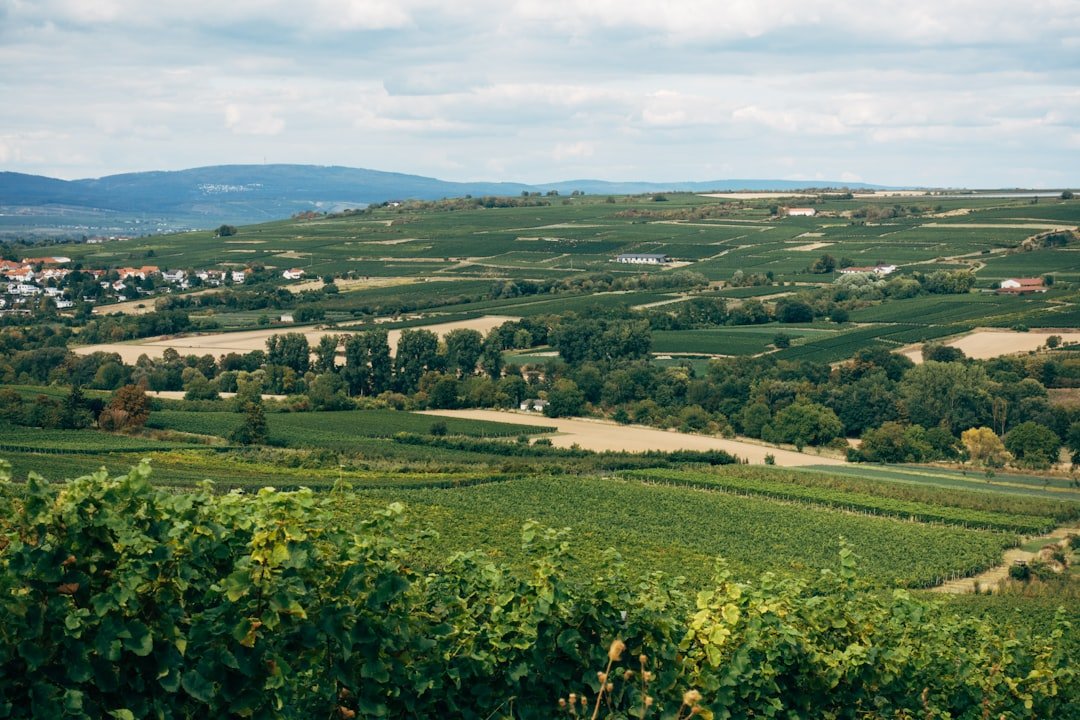
Tuscany, a region in central Italy, is known for its distinctive landscapes, historical significance, and wine production. The terrain features vineyards, olive groves, and cypress trees across rolling hills. The region’s climate and soil composition support the cultivation of various wine varieties, each with distinct characteristics.
Notable wines include the red wines of Chianti and the white wines produced in coastal areas. Winemaking in Tuscany has a documented history spanning over 2,500 years, with evidence of grape cultivation by the Etruscans. This practice developed into a formal industry, establishing several of Italy’s recognized wine appellations.
Tuscany currently contains multiple Denominazione di Origine Controllata e Garantita (DOCG) designated regions, which indicate wines produced according to strict quality standards and regulations. Visiting Tuscany’s wine regions provides opportunities to sample wines and learn about the region’s cultural and historical development.
Planning Your Road Trip Through Tuscany
Embarking on a road trip through Tuscany’s wine regions is an adventure that requires careful planning to ensure you make the most of your experience. The best time to visit is during the harvest season, typically from late September to early October, when vineyards are alive with activity and the air is filled with the aroma of freshly crushed grapes. However, spring and early summer also offer beautiful weather and fewer crowds, making it an ideal time for exploration.
Renting a car is essential for navigating the winding roads that connect the various wine regions, allowing you to stop at charming villages and scenic viewpoints along the way. When planning your itinerary, consider focusing on specific wine regions to fully appreciate their unique offerings. For instance, you might choose to spend a few days in Chianti, followed by a visit to Montepulciano and Montalcino.
Each area boasts its own distinct wines, culinary delights, and cultural experiences. Additionally, be sure to allocate time for winery tours and tastings, as many vineyards require advance reservations. Researching local events or festivals can also enhance your trip; many towns host grape harvest celebrations or wine fairs that provide an authentic taste of Tuscan culture.
Chianti: Tuscany’s Most Famous Wine Region
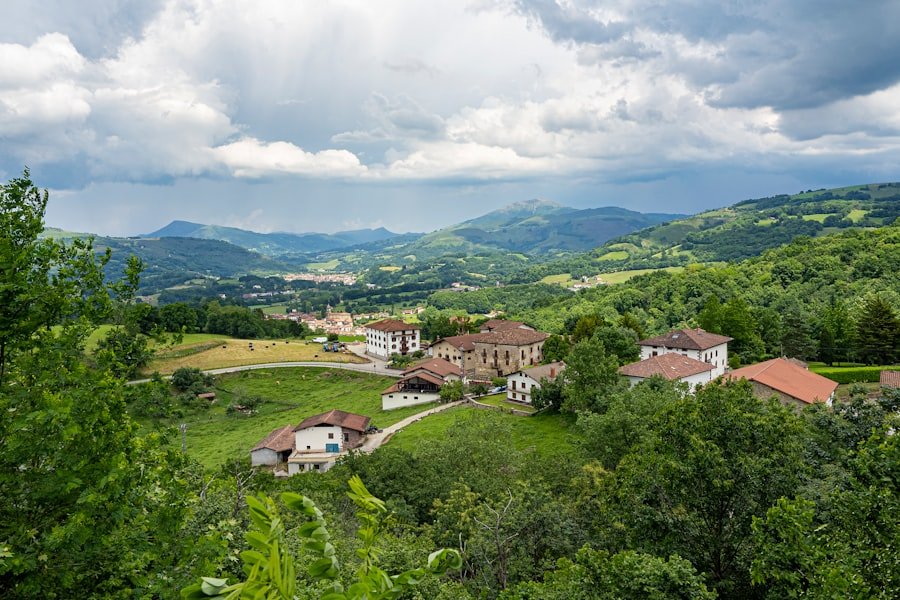
Chianti is perhaps the most iconic wine region in Tuscany, celebrated for its Sangiovese-based wines that embody the essence of Italian winemaking. The Chianti Classico sub-region, marked by its black rooster symbol, is particularly renowned for producing high-quality wines that are characterized by their bright acidity, cherry flavors, and earthy undertones. The landscape here is dotted with medieval castles and charming villages such as Greve in Chianti and Radda in Chianti, each offering a glimpse into the region’s storied past.
Visiting Chianti provides an opportunity to explore not only its wines but also its culinary delights. Many wineries offer tastings paired with traditional Tuscan dishes like ribollita or pappa al pomodoro, allowing visitors to savor the harmonious relationship between food and wine. The region is also home to several agriturismos—farm stays that provide an authentic experience of rural life in Tuscany.
Staying at one of these establishments allows you to immerse yourself in the local culture while enjoying home-cooked meals made from fresh ingredients sourced from the surrounding land.
Montepulciano and Montalcino: The Heart of Tuscany’s Wine Country
Traveling south from Chianti leads you to Montepulciano and Montalcino, two towns that are often regarded as the heart of Tuscany’s wine country. Montepulciano is famous for its Vino Nobile di Montepulciano, a robust red wine made primarily from Sangiovese grapes. The town itself is perched on a hilltop, offering stunning views of the surrounding countryside.
As you wander through its narrow streets lined with Renaissance architecture, you can visit historic wineries that have been producing wine for centuries. Montalcino, on the other hand, is celebrated for its Brunello di Montalcino, one of Italy’s most prestigious wines. This DOCG wine is made exclusively from Sangiovese grapes grown in the Montalcino area and is known for its complexity and aging potential.
The town hosts numerous wineries that offer tastings and tours, providing insight into the meticulous winemaking process that goes into crafting Brunello. Additionally, both towns are surrounded by picturesque landscapes dotted with olive groves and vineyards, making them perfect spots for leisurely drives or hikes through nature.
Exploring the Coastal Wine Region of Bolgheri
| Wine Region | Key Towns | Famous Wines | Recommended Route Length (miles) | Best Time to Visit | Notable Attractions |
|---|---|---|---|---|---|
| Chianti | Greve, Radda, Castellina | Chianti Classico | 50 | April to October | Castles, Vineyards, Olive Groves |
| Montalcino | Montalcino | Brunello di Montalcino | 30 | May to September | Historic Town, Wine Cellars, Abbey of Sant’Antimo |
| Carmignano | Carmignano | Carmignano DOCG | 20 | April to October | Medieval Villages, Wine Estates |
| Bolgheri | Bolgheri | Super Tuscan Wines (Sassicaia, Ornellaia) | 15 | May to September | Cypress-lined Roads, Coastal Views |
| San Gimignano | San Gimignano | Vernaccia di San Gimignano | 10 | April to October | Medieval Towers, Historic Center |
While Tuscany is often associated with its inland wine regions, the coastal area of Bolgheri has gained significant recognition for its innovative winemaking practices and exceptional wines. Nestled along the Tyrrhenian Sea, Bolgheri is known for producing Super Tuscan wines—blends that often include international grape varieties such as Cabernet Sauvignon and Merlot alongside traditional Sangiovese. The region’s unique microclimate, characterized by warm Mediterranean breezes and well-drained soils, allows for the cultivation of these varietals with remarkable success.
A visit to Bolgheri offers not only exquisite wines but also stunning coastal scenery. The famous Cypress Avenue leading into Bolgheri is lined with towering cypress trees that create a dramatic entrance to this charming village. Many wineries in the area provide guided tours that showcase their vineyards and cellars while offering tastings of their acclaimed wines.
Pairing these tastings with local seafood dishes enhances the experience; fresh catch from the nearby sea complements the bold flavors of Bolgheri’s red wines beautifully.
Lesser-Known Wine Regions of Tuscany
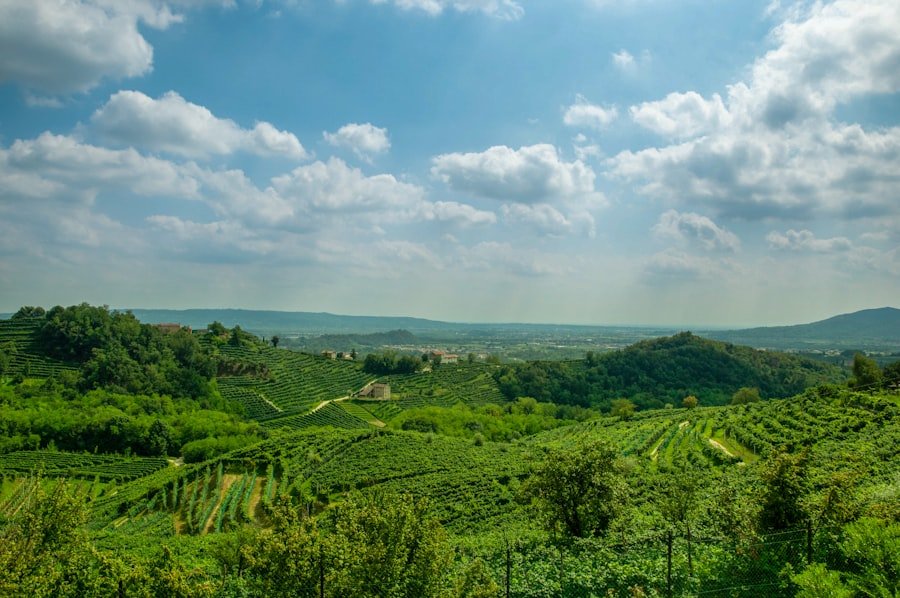
Beyond the well-trodden paths of Chianti and Montalcino lie several lesser-known wine regions in Tuscany that are equally deserving of exploration. One such area is the Colli Senesi, located near Siena. This region produces a variety of wines under the Chianti Colli Senesi DOC designation, often characterized by their approachable style and fruit-forward profiles.
The picturesque hillsides are dotted with small family-owned wineries that welcome visitors for tastings and tours. Another hidden gem is the Val d’Orcia region, recognized as a UNESCO World Heritage site for its stunning landscapes and cultural significance. Here, you can find excellent examples of Rosso di Montepulciano and other local varietals produced by small-scale producers who prioritize sustainable farming practices.
The charm of this region lies not only in its wines but also in its breathtaking vistas and quaint villages like Pienza and San Quirico d’Orcia.
Tips for Tasting and Touring Tuscany’s Wineries
To make the most of your winery visits in Tuscany, consider a few practical tips that can enhance your experience. First and foremost, it’s advisable to book winery tours and tastings in advance, especially during peak tourist seasons when demand can be high. Many wineries offer guided tours that provide insight into their winemaking processes and philosophies; these experiences often include tastings of their flagship wines paired with local delicacies.
When tasting wines, take your time to savor each sip and pay attention to the aromas and flavors present in each glass. It can be helpful to jot down notes about your impressions or favorite wines as you go along; this will aid in remembering which bottles you might want to purchase later. Additionally, don’t hesitate to ask questions during your visits—winemakers are often passionate about their craft and eager to share their knowledge with visitors.
The Beauty of Tuscany’s Wine Regions
Tuscany’s wine regions offer an unparalleled journey through some of Italy’s most celebrated landscapes and flavors. From the iconic hills of Chianti to the sun-kissed vineyards of Bolgheri, each area presents a unique narrative woven into the fabric of Tuscan culture. As you traverse this enchanting region, you will not only indulge in exquisite wines but also connect with the land and its people—experiencing firsthand the passion that drives Tuscan winemaking.
Whether you are a seasoned oenophile or simply someone looking to enjoy a beautiful road trip through one of Italy’s most picturesque regions, Tuscany’s wine country promises unforgettable memories filled with rich flavors and stunning vistas. Each sip tells a story steeped in tradition and innovation, inviting you to explore further into this captivating land where every vineyard holds a piece of history waiting to be discovered.
FAQs
What are the main wine regions in Tuscany to visit on a road trip?
The main wine regions in Tuscany to explore include Chianti, Montalcino, Montepulciano, and the Bolgheri area. Each region is known for its distinctive wines such as Chianti Classico, Brunello di Montalcino, Vino Nobile di Montepulciano, and Super Tuscan wines.
When is the best time to take a road trip through Tuscany’s wine regions?
The best time to visit Tuscany’s wine regions is during the spring (April to June) and fall (September to October). These seasons offer pleasant weather, fewer crowds, and coincide with the grape harvest period in the fall.
What types of wines can I expect to taste in Tuscany?
Tuscany is famous for its red wines, particularly those made from the Sangiovese grape. Key wines include Chianti, Brunello di Montalcino, and Vino Nobile di Montepulciano. You can also find white wines and innovative blends known as Super Tuscans.
Are wine tastings and vineyard tours available to visitors?
Yes, many wineries in Tuscany offer guided tours and wine tastings. It is recommended to book appointments in advance, especially during peak tourist seasons, to ensure availability.
Is it safe to drive after wine tasting in Tuscany?
Driving after consuming alcohol is illegal and unsafe. It is advisable to have a designated driver, hire a driver, or join organized wine tours that provide transportation.
What should I bring on a road trip through Tuscany’s wine regions?
Essential items include a valid driver’s license, comfortable clothing and shoes, a GPS or map, a camera, and a list of wineries you plan to visit. Bringing a notebook for tasting notes can also enhance the experience.
Can I visit multiple wine regions in one day?
While it is possible to visit multiple regions in one day, it is recommended to focus on one or two areas to fully enjoy the wine tastings, local cuisine, and scenic drives without feeling rushed.
Are there accommodations available within the wine regions?
Yes, Tuscany offers a range of accommodations including agriturismos (farm stays), boutique hotels, and bed and breakfasts located within or near the wine regions, providing an authentic experience.
Do I need to speak Italian to enjoy a wine road trip in Tuscany?
While knowing some basic Italian phrases can be helpful, many wineries and tourism services in Tuscany accommodate English-speaking visitors. Guided tours in English are commonly available.
What other activities can I do besides wine tasting in Tuscany?
Besides wine tasting, visitors can enjoy exploring historic towns, sampling local cuisine, visiting art museums, hiking in the countryside, and attending seasonal festivals and markets.