Ho Chi Minh City, formerly known as Saigon, is the largest city in Vietnam and a major economic and cultural center. The city is known for its dynamic urban environment, historical significance, and diverse food culture. Street food represents a significant aspect of daily life in Ho Chi Minh City, with vendors operating throughout residential areas, markets, and commercial districts.
The street food vendors in Ho Chi Minh City offer a variety of dishes that reflect Vietnamese culinary traditions and regional influences. Common offerings include pho (noodle soup), banh mi (Vietnamese sandwiches), grilled meats, and fresh herb-based dishes. These foods are prepared using traditional cooking methods and locally sourced ingredients.
The street food sector provides affordable meal options for residents and has become an attraction for visitors to the city. Dining at street food establishments in Ho Chi Minh City serves both practical and social functions. Many residents rely on street food for daily meals due to its affordability and accessibility.
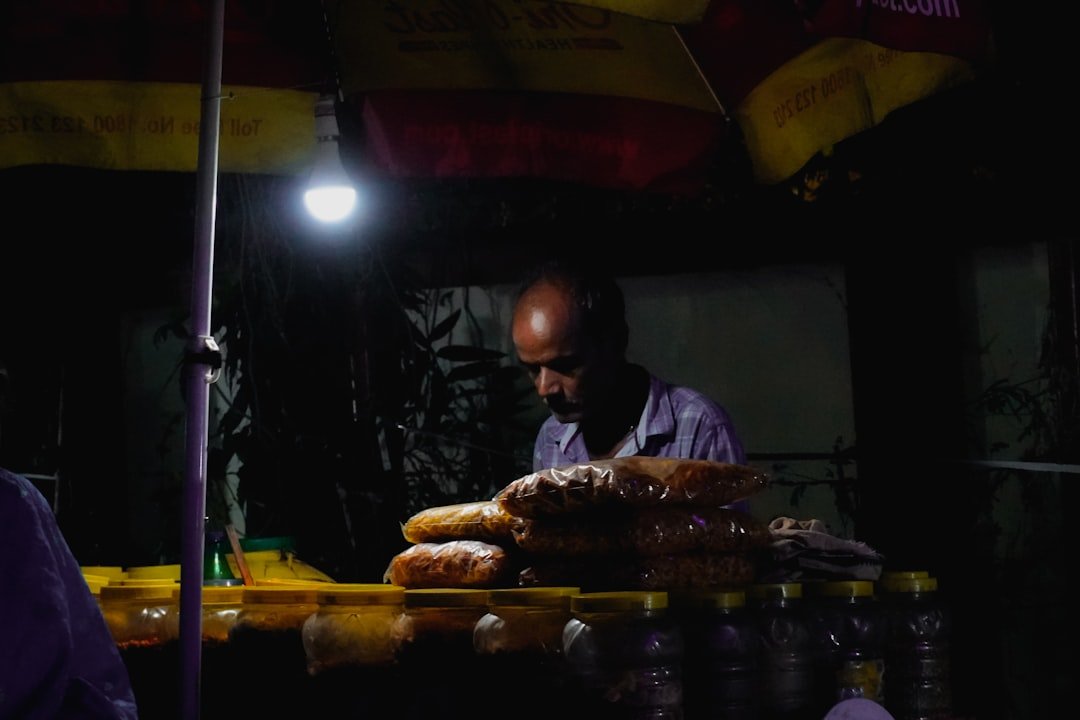
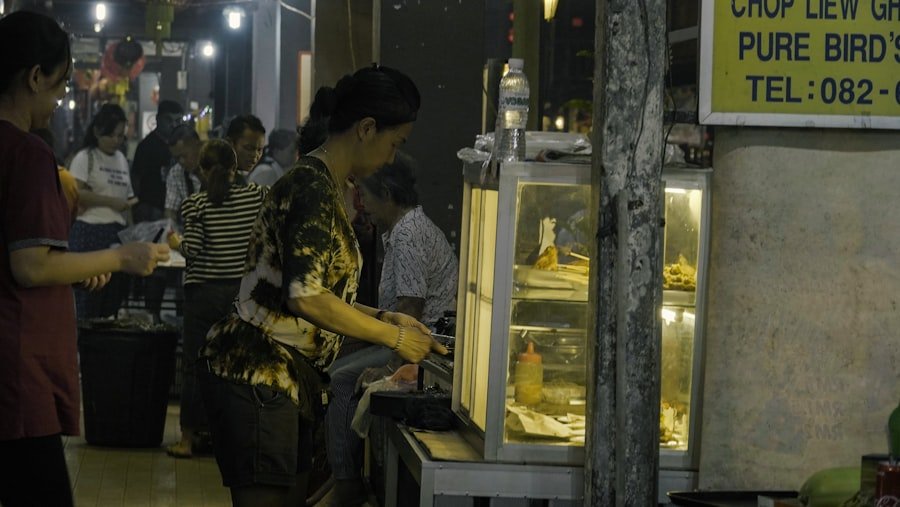
Street food vendors often operate from fixed locations or mobile stalls and have established regular customer bases. The preparation and consumption of street food involves the transmission of culinary knowledge across generations, with many vendors learning recipes and techniques from family members. Street food culture is integrated into the city’s social fabric, with eating spaces typically accommodating multiple customers in close proximity.
This dining format facilitates social interaction among customers and contributes to the informal economy of Ho Chi Minh City.
Must-Try Street Food Dishes in Ho Chi Minh City
When exploring Ho Chi Minh City’s street food offerings, certain dishes are essential for any culinary adventure. One cannot visit without trying pho, the iconic Vietnamese noodle soup that has gained international acclaim. In Ho Chi Minh City, pho is typically served with a clear broth made from simmered beef bones, rice noodles, and an array of fresh herbs.
Vendors often offer a selection of meats, including tender brisket and succulent meatballs, allowing diners to customize their bowls to their liking. The experience of slurping up the fragrant broth while seated on a tiny plastic stool is quintessentially Vietnamese. Another must-try dish is banh mi, a delicious sandwich that showcases the fusion of French and Vietnamese culinary traditions.
The banh mi typically consists of a crispy baguette filled with a variety of ingredients such as grilled pork, pate, pickled vegetables, and fresh cilantro. Each vendor has their own unique take on this beloved sandwich, with some offering spicy chili sauce or additional toppings like fried eggs. The contrast of textures and flavors in a well-made banh mi is nothing short of extraordinary, making it a favorite among locals and visitors alike.
For those seeking something sweet, che is a delightful dessert that comes in various forms. This traditional Vietnamese sweet soup can include ingredients like mung beans, coconut milk, and an assortment of fruits and jellies. Vendors often serve che in colorful bowls, making it as visually appealing as it is delicious.
The refreshing nature of che makes it a perfect treat to enjoy while wandering through the bustling streets.
Where to Find the Best Street Food in Ho Chi Minh City
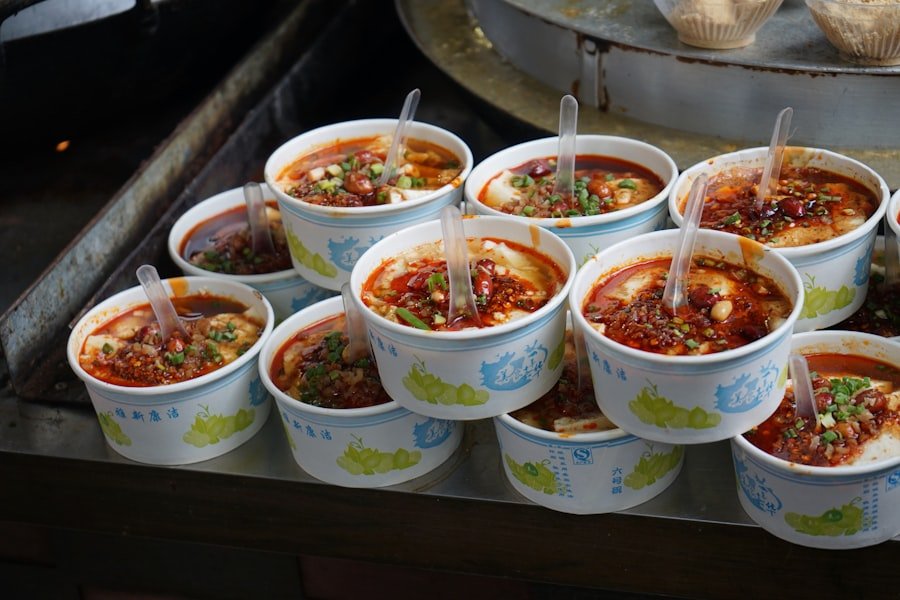
Finding the best street food in Ho Chi Minh City requires a bit of exploration and an adventurous spirit. One of the most famous areas for street food is Ben Thanh Market, where vendors set up stalls offering everything from fresh spring rolls to grilled seafood. The market buzzes with activity as locals shop for ingredients and tourists sample the diverse offerings.
While it can be crowded, the vibrant atmosphere adds to the experience, making it an ideal spot for those looking to immerse themselves in the local food culture. Another hotspot for street food enthusiasts is District 1, particularly around Bui Vien Street and Pham Ngu Lao Street. This area is known for its lively nightlife and bustling street food scene.
As night falls, food stalls emerge, serving up everything from skewered meats to savory pancakes. The energy of the streets is infectious, with music playing and laughter echoing as people gather to enjoy their meals. For those seeking a more authentic experience away from tourist traps, exploring the side streets and alleys in District 3 or District 5 can lead to hidden gems where local vendors serve up their specialties.
Tips for Navigating the Street Food Scene in Ho Chi Minh City
Navigating the street food scene in Ho Chi Minh City can be both exciting and overwhelming for newcomers. One essential tip is to observe where the locals are eating; a busy stall often indicates quality and freshness. Locals tend to have their favorite spots, so following their lead can lead to discovering some of the best dishes in town.
Additionally, don’t hesitate to ask for recommendations from your hotel staff or fellow travelers; they may point you toward lesser-known vendors that offer exceptional food. Another important aspect to consider is hygiene. While many street food vendors maintain high standards of cleanliness, it’s wise to use your judgment when selecting where to eat.
Look for stalls that have a steady flow of customers, as high turnover often means fresher ingredients. It’s also advisable to choose cooked items over raw ones if you have concerns about food safety. Finally, be prepared to embrace the local dining customs; many vendors may not speak English fluently, so learning a few basic Vietnamese phrases can enhance your experience and help you connect with the vendors.
The History and Culture of Street Food in Ho Chi Minh City
| Metric | Details |
|---|---|
| Popular Street Food Dishes | Phở, Bánh mì, Gỏi cuốn (spring rolls), Bánh xèo, Bún thịt nướng |
| Average Cost per Dish | 1.5 – 3 USD |
| Best Time to Experience | Evenings (5 PM – 10 PM) |
| Popular Street Food Areas | Bùi Viện Street, Phạm Ngũ Lão Street, Ben Thanh Market area |
| Number of Street Food Vendors | Estimated 500+ in central districts |
| Common Ingredients | Rice noodles, fresh herbs, pork, beef, seafood, vegetables |
| Hygiene Rating | Varies widely; many vendors maintain good hygiene standards |
| Local Beverage Pairings | Vietnamese iced coffee, fresh sugarcane juice, local beer |
The history of street food in Ho Chi Minh City is deeply intertwined with the city’s evolution over time. Originally influenced by traditional Vietnamese cooking methods and local ingredients, street food began to flourish during the French colonial period when French culinary techniques were introduced. This fusion gave rise to dishes like banh mi, which combines French bread with Vietnamese flavors.
Over the decades, street food has continued to evolve, incorporating influences from Chinese cuisine and other cultures that have interacted with Vietnam. Street food also reflects the resilience of the Vietnamese people. Following periods of war and hardship, street vendors emerged as a means for families to sustain themselves economically.
The ability to prepare simple yet flavorful dishes using readily available ingredients allowed many to survive difficult times. Today, this legacy continues as street food remains an integral part of daily life in Ho Chi Minh City. It serves not only as nourishment but also as a symbol of community and cultural identity.
Street Food Tours and Experiences in Ho Chi Minh City
For those looking to delve deeper into Ho Chi Minh City’s street food culture, joining a guided street food tour can be an enriching experience. These tours often take participants through various neighborhoods, allowing them to sample a wide range of dishes while learning about their history and preparation methods from knowledgeable guides. Many tours also include visits to local markets where participants can see firsthand how ingredients are sourced and selected.
Some tours even offer cooking classes where participants can learn how to prepare traditional dishes themselves. This hands-on experience not only enhances one’s appreciation for Vietnamese cuisine but also provides valuable skills that can be taken home. Whether it’s mastering the art of rolling fresh spring rolls or simmering a fragrant pho broth, these experiences create lasting memories and deepen one’s connection to the culture.
Street Food Etiquette and Customs in Ho Chi Minh City
Understanding street food etiquette is essential for anyone looking to fully enjoy their culinary journey in Ho Chi Minh City. One common practice is to greet vendors with a friendly smile or nod before placing an order; this simple gesture fosters goodwill and respect between customers and vendors. Additionally, it’s customary to wait patiently for your turn at busy stalls; rushing or cutting in line can be seen as disrespectful.
When dining at street stalls, it’s important to embrace the local customs surrounding eating. Many vendors provide small plastic stools for seating; don’t be surprised if you find yourself sitting on one while enjoying your meal on the sidewalk. It’s also common for diners to share tables with strangers; this communal aspect adds to the social experience of eating out in Vietnam.
Finally, tipping is not expected at street stalls; however, rounding up your bill or leaving small change can be appreciated by vendors who work hard to provide delicious meals.
The Future of Street Food in Ho Chi Minh City
As Ho Chi Minh City continues to grow and modernize, the future of its street food scene remains vibrant yet faces challenges. Urbanization has led to increased competition for space on the streets as high-rise buildings replace traditional markets and stalls. However, this evolution has also sparked innovation among street food vendors who are adapting their offerings to cater to changing tastes while maintaining authenticity.
Moreover, there is a growing interest in promoting street food as part of Vietnam’s cultural heritage on an international scale. Initiatives aimed at preserving traditional recipes and techniques are gaining traction among younger generations who recognize the importance of their culinary roots. As tourism continues to thrive in Ho Chi Minh City, street food is poised to remain a central attraction for visitors seeking an authentic taste of Vietnamese culture.
In conclusion, while challenges exist within this dynamic landscape, the resilience and creativity of Ho Chi Minh City’s street food vendors ensure that this beloved culinary tradition will continue to thrive for years to come. The streets will remain alive with flavors, aromas, and stories waiting to be discovered by those willing to explore this rich tapestry of culinary heritage.
FAQs
What types of street food are popular in Ho Chi Minh City?
Ho Chi Minh City is famous for a variety of street foods including pho (noodle soup), banh mi (Vietnamese sandwich), goi cuon (fresh spring rolls), bun thit nuong (grilled pork with noodles), and com tam (broken rice). These dishes are widely available from street vendors throughout the city.
Where are the best areas to experience street food in Ho Chi Minh City?
Some of the best areas to enjoy street food in Ho Chi Minh City include District 1 around Ben Thanh Market, District 3, and the bustling streets near Bui Vien Walking Street. These locations offer a vibrant atmosphere and a wide range of authentic local dishes.
Is street food in Ho Chi Minh City safe to eat?
Street food in Ho Chi Minh City is generally safe if you choose vendors who maintain good hygiene practices, such as using fresh ingredients and cooking food thoroughly. It is advisable to eat at busy stalls where food turnover is high to ensure freshness.
What is the typical price range for street food in Ho Chi Minh City?
Street food in Ho Chi Minh City is very affordable, with most dishes costing between 20,000 to 50,000 VND (approximately 1 to 2 USD). Prices may vary depending on the dish and location.
Can street food vendors accommodate dietary restrictions?
Many street food vendors can accommodate common dietary preferences such as vegetarian or less spicy options, but it is best to communicate your needs clearly. Some dishes may contain fish sauce, peanuts, or gluten, so it is important to ask about ingredients if you have allergies.
What is the best time to enjoy street food in Ho Chi Minh City?
Street food stalls are typically busiest during meal times: breakfast (6 AM to 9 AM), lunch (11 AM to 2 PM), and dinner (5 PM to 9 PM). Evening hours are especially lively, with many vendors setting up along popular streets.
Are there any cultural etiquettes to keep in mind when eating street food?
When enjoying street food in Ho Chi Minh City, it is polite to wait your turn, avoid wasting food, and use chopsticks or utensils provided. Tipping is not mandatory but appreciated for good service. Engaging with vendors with a smile and basic Vietnamese greetings can enhance the experience.