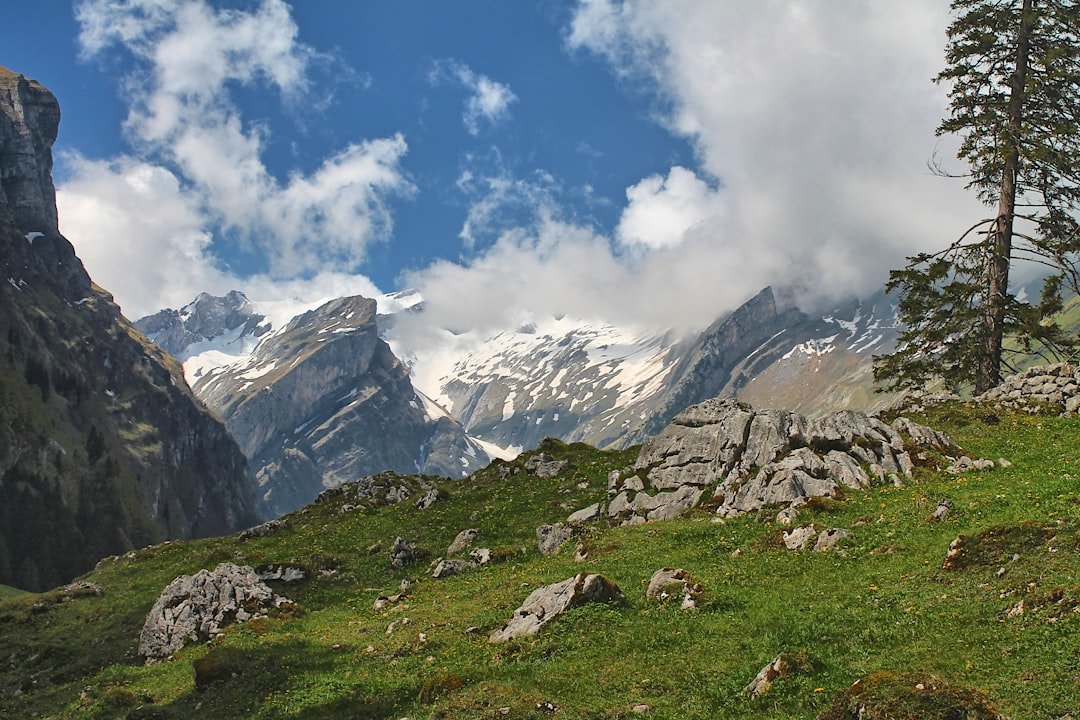
The Swiss Alps extend across Switzerland and are famous for their striking scenery and well-known peaks such as the Matterhorn and Eiger. Beyond these popular destinations, numerous lesser-known peaks offer comparable natural beauty and appeal. These peaks provide visitors with quieter environments, panoramic views, and the chance to experience the landscape with fewer crowds.
The dramatic terrain and sense of exploration these mountains offer attract those seeking adventure. For hikers and climbers willing to explore beyond established routes, the Swiss Alps contain numerous rewarding experiences. Accessing these lesser-known peaks requires preparation and a willingness to navigate unfamiliar terrain.
Each peak displays distinct characteristics formed by geological processes and weather patterns. The landscape varies considerably, ranging from steep granite formations to gentle slopes covered with alpine flowers. Local communities have preserved stories and traditions associated with these mountains, including accounts of mountaineers and pastoral activities.
Understanding the regional history and culture enhances the experience of exploring these areas. This article provides practical information for planning expeditions to these peaks, with the goal of making your journey both safe and fulfilling.
Planning Your Expedition: What to Consider Before Exploring Hidden Peaks
Before embarking on an expedition to the hidden peaks of the Swiss Alps, meticulous planning is essential. The first step is to assess your physical fitness and experience level. Many of these trails can be challenging, requiring a good level of endurance and familiarity with alpine conditions.
It is advisable to undertake some preparatory hikes in similar terrains to gauge your capabilities. Additionally, consider the time of year you plan to explore; weather conditions can vary dramatically, impacting trail accessibility and safety. Another critical aspect of planning is understanding the logistics involved in reaching these remote locations.
Many hidden peaks are not easily accessible by public transport, necessitating a reliable means of transportation. Researching local accommodations is also vital, as options may be limited in more secluded areas. Furthermore, familiarize yourself with local regulations regarding camping and hiking in protected areas.
Some regions may require permits or have specific guidelines to preserve the natural environment. Engaging with local guides can provide invaluable insights into the terrain and help navigate any potential challenges.
The Most Spectacular Hidden Peaks in the Swiss Alps
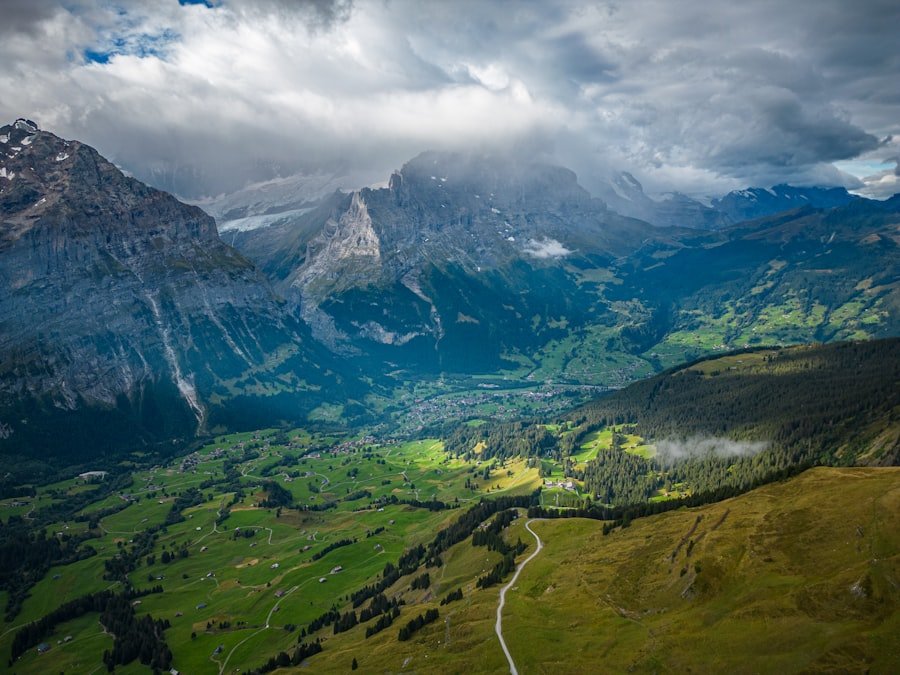
Among the myriad hidden peaks in the Swiss Alps, several stand out for their breathtaking beauty and unique features. One such peak is Piz Bernina, located in the Bernina Range. While it may not be entirely off the radar, its surrounding areas are often overlooked by tourists.
The peak itself rises to 4,049 meters and offers stunning views of glacial landscapes and turquoise lakes. The ascent can be challenging, but those who make the effort are rewarded with panoramic vistas that stretch across the Italian border. Another remarkable hidden gem is the Finsteraarhorn, Switzerland’s highest peak in the Bernese Alps at 4,274 meters.
This majestic mountain is often overshadowed by its more famous neighbors but offers an equally rewarding experience for adventurous hikers and climbers. The Finsteraarhorn is characterized by its dramatic ice formations and steep ridges, making it a favorite among experienced mountaineers. The surrounding area is rich in biodiversity, with rare alpine flora thriving in its rugged terrain.
The Best Routes for Exploring Hidden Peaks
When it comes to exploring hidden peaks in the Swiss Alps, selecting the right route is crucial for a successful expedition. One popular route is the Via Alpina, which traverses several regions of Switzerland and includes access to numerous hidden peaks along its path. This long-distance hiking trail spans approximately 350 kilometers and connects eight cantons, offering hikers a chance to experience diverse landscapes and cultures.
Sections of this trail lead directly to lesser-known summits, providing opportunities for exploration beyond the main thoroughfares. For those seeking a more remote experience, consider the routes leading to Piz Palü in the Bernina Range. The ascent typically begins from Diavolezza, where hikers can take a cable car to gain altitude before embarking on foot.
The trail winds through stunning glacial landscapes and offers breathtaking views of surrounding peaks. Another noteworthy route is the hike to Piz Nair, which starts from St. Moritz and leads through lush meadows dotted with wildflowers before ascending to rocky outcrops that provide sweeping views of the Engadin Valley.
Safety Tips for Exploring Hidden Peaks in the Swiss Alps
| Peak Name | Elevation (m) | Region | Difficulty Level | Average Hiking Time | Best Season | Notable Features |
|---|---|---|---|---|---|---|
| Schinhorn | 3797 | Valais | Moderate | 6-8 hours | July to September | Glacier views, less crowded |
| Wildhorn | 3248 | Bernese Alps | Moderate to Hard | 7-9 hours | June to September | Panoramic summit, alpine meadows |
| Rothorn (Lenzerheide) | 2899 | Graubünden | Easy to Moderate | 4-6 hours | May to October | Wildflowers, scenic ridges |
| Mont Gelé | 3023 | Valais | Hard | 8-10 hours | July to September | Remote, challenging terrain |
| Schafberg | 2542 | Uri | Moderate | 5-7 hours | June to October | Historic trails, panoramic views |
Safety should always be a top priority when exploring hidden peaks in the Swiss Alps. The unpredictable nature of mountain weather can pose significant risks; therefore, it is essential to check forecasts before setting out on your journey. Sudden changes in weather can lead to treacherous conditions such as fog, rain, or snow, which can obscure trails and increase the risk of accidents.
Carrying a reliable weather app or device can help you stay informed during your expedition. Additionally, proper navigation skills are crucial when venturing into less-traveled areas. Familiarize yourself with topographic maps and consider using GPS devices or apps designed for outdoor navigation.
It’s advisable to travel with a companion or group rather than alone, as this enhances safety through shared knowledge and support in case of emergencies. Always inform someone about your planned route and expected return time; this precaution can be lifesaving if you encounter difficulties.
The Wildlife and Flora You Might Encounter While Exploring Hidden Peaks
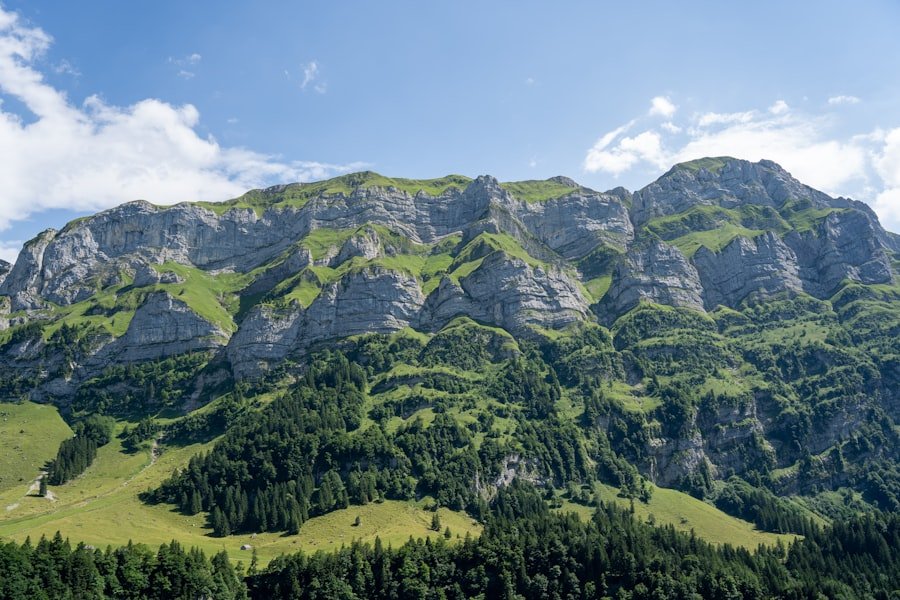
The hidden peaks of the Swiss Alps are not only visually stunning but also home to a rich tapestry of wildlife and flora that thrives in this unique alpine environment. As you ascend these lesser-known trails, you may encounter various species that have adapted to the harsh conditions of high altitudes. Among them are chamois and ibex, agile mountain goats known for their remarkable climbing abilities.
These animals are often spotted grazing on rocky slopes or navigating steep cliffs. In addition to wildlife, the flora found in these regions is equally fascinating. Alpine meadows burst into color during the warmer months, showcasing vibrant wildflowers such as edelweiss and alpine roses.
These plants have evolved to withstand extreme weather conditions and poor soil quality, making them resilient symbols of life in harsh environments. Observing these delicate blooms against a backdrop of towering peaks creates a striking contrast that enhances the overall experience of exploring hidden areas.
The Best Time of Year to Explore Hidden Peaks in the Swiss Alps
Timing your expedition is crucial for maximizing your experience while exploring hidden peaks in the Swiss Alps. Generally, late spring through early autumn offers the most favorable conditions for hiking and climbing. Late June to early September is particularly ideal as snow has melted from most trails, revealing stunning landscapes that are accessible for exploration.
During this period, temperatures are milder, allowing for comfortable hiking conditions. However, each season brings its own unique charm to the mountains. Early summer showcases vibrant wildflowers carpeting meadows, while autumn transforms landscapes into a palette of warm hues as leaves change color.
Winter months present opportunities for skiing and snowshoeing but require specialized gear and skills due to increased risks associated with snow-covered terrain. Understanding seasonal variations will help you choose an optimal time for your adventure based on your interests and desired activities.
The Ultimate Guide to Gear and Equipment for Exploring Hidden Peaks
Equipping yourself with the right gear is essential for a successful expedition into the hidden peaks of the Swiss Alps. Start with sturdy hiking boots designed for rugged terrain; they should provide ample support and traction on rocky surfaces. Additionally, consider investing in moisture-wicking clothing that layers well; this allows you to adapt to changing temperatures throughout your hike.
Navigation tools are also vital; carry a detailed topographic map along with a compass or GPS device to ensure you stay on track during your journey. A reliable backpack equipped with hydration systems will keep you hydrated while providing space for essential supplies such as food, first-aid kits, and emergency gear like whistles or headlamps. Depending on your planned activities—whether hiking or climbing—additional equipment such as trekking poles or climbing gear may be necessary.
In conclusion, exploring hidden peaks in the Swiss Alps offers an unparalleled adventure filled with stunning landscapes, rich biodiversity, and cultural experiences that are often overlooked by mainstream tourism. With careful planning and preparation, adventurers can uncover these majestic mountains while enjoying all that nature has to offer.
FAQs
What are some benefits of hiking lesser-known peaks in the Swiss Alps?
Hiking lesser-known peaks offers a more peaceful and solitary experience, fewer crowds, unique scenic views, and the opportunity to discover hidden gems that are not as commercialized as popular trails.
Are lesser-known peaks in the Swiss Alps safe for hiking?
Yes, many lesser-known peaks are safe for hiking, but it is important to be well-prepared, have proper equipment, check weather conditions, and have some experience in mountain hiking. Some trails may be more challenging or less maintained, so caution is advised.
How can I find trails for lesser-known peaks in the Swiss Alps?
You can find trails through local hiking guides, specialized hiking websites, Swiss tourism offices, and maps. Online forums and hiking apps also provide valuable information and user reviews about less popular routes.
What is the best time of year to hike lesser-known peaks in the Swiss Alps?
The best time is generally from late spring to early autumn (May to October), when trails are mostly free of snow and weather conditions are favorable. However, conditions vary by altitude and region, so always check local weather and trail status.
Do I need a guide to hike lesser-known peaks in the Swiss Alps?
A guide is not always necessary but can be helpful, especially for unfamiliar or difficult routes. Guides provide local knowledge, enhance safety, and can enrich the hiking experience.
What equipment should I bring when hiking lesser-known peaks?
Essential equipment includes sturdy hiking boots, weather-appropriate clothing, a map or GPS device, sufficient water and food, sun protection, a first aid kit, and possibly trekking poles. For higher or more technical peaks, additional gear may be required.
Are there accommodations available near lesser-known peaks?
Yes, there are often mountain huts, guesthouses, and small hotels near many hiking areas in the Swiss Alps. However, accommodations may be more limited compared to popular tourist spots, so planning and booking in advance is recommended.
Is it necessary to have a Swiss Alpine Club membership for hiking?
No, a membership is not required to hike in the Swiss Alps. However, Swiss Alpine Club members may benefit from discounts on mountain huts and other services.
Can I hike lesser-known peaks year-round?
Hiking is possible year-round, but winter conditions can be harsh and require specialized equipment and skills such as snowshoes or crampons. Many trails are best avoided in winter unless you are experienced in winter hiking or mountaineering.
How can I minimize my environmental impact while hiking in the Swiss Alps?
Stay on marked trails, carry out all trash, avoid disturbing wildlife, respect local regulations, and use eco-friendly products. Practicing Leave No Trace principles helps preserve the natural beauty of the Alps.