Barcelona is a city known for its vibrant culture and distinctive architecture. Beyond the major tourist attractions such as La Rambla and the Sagrada Familia, the city contains numerous neighborhoods characterized by narrow streets and small plazas, each with distinct characteristics and local history. These areas are frequently less visited by tourists but provide insight into daily life in Barcelona and local culture.
The Gràcia neighborhood is one such area that differs from central Barcelona. It is characterized by independent shops, artisanal businesses, and cafes. The neighborhood hosts the Festa Major de Gràcia, an annual festival during which residents decorate streets with creative displays.
Plaça del Sol is a central gathering point in the neighborhood where residents socialize and spend leisure time. The neighborhood maintains a strong sense of community and offers visitors an alternative to the city’s primary tourist destinations.
Navigating the City’s Narrow Streets and Alleys
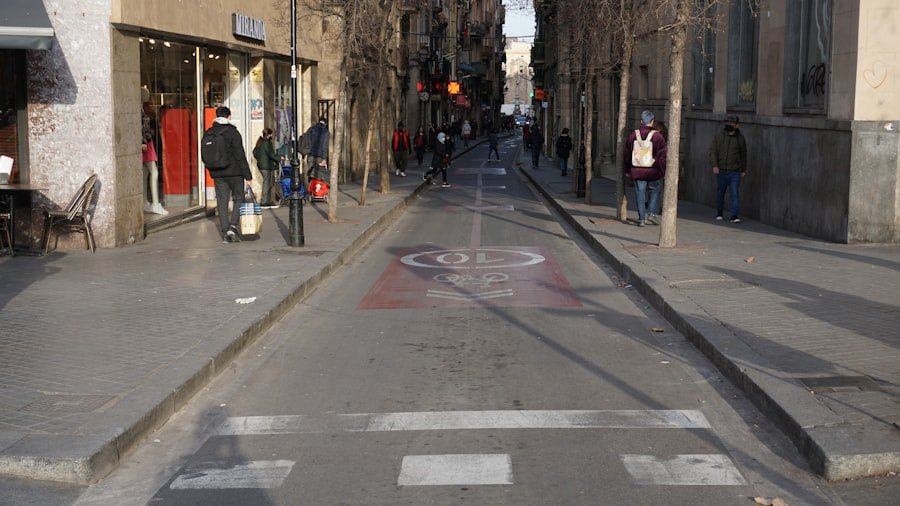
Barcelona’s narrow streets and alleys are a testament to the city’s rich history and architectural evolution. The Gothic Quarter, or Barri Gòtic, is a prime example of this intricate web of passageways that transport visitors back in time. As one meanders through these ancient streets, it is easy to lose track of time while admiring the medieval buildings that stand as silent witnesses to centuries of history.
The cobblestone paths are often flanked by charming cafes and small shops, creating an inviting atmosphere that encourages exploration. The labyrinthine layout of the Gothic Quarter can be disorienting at first, but therein lies its charm. Each turn reveals a new surprise—a hidden courtyard adorned with lush greenery, a small art gallery showcasing local talent, or a historic church that invites quiet reflection.
The narrowness of the streets also fosters a sense of intimacy; conversations can be overheard from nearby tables, and the aroma of freshly baked bread wafts through the air from local bakeries. This immersive experience allows visitors to connect with the city on a deeper level, as they navigate through its past while engaging with its present.
Uncovering Unique Architecture and Street Art
Barcelona is a canvas for architectural innovation and artistic expression, with its unique blend of styles ranging from Gothic to Modernisme. While Antoni Gaudí’s masterpieces like Casa Batlló and Park Güell are well-known, the city is also home to lesser-known architectural wonders that deserve attention. For instance, the Hospital de Sant Pau, designed by Lluís Domènech i Montaner, is a UNESCO World Heritage site that showcases stunning Art Nouveau design.
Its colorful mosaics and intricate sculptures create a visual feast that captivates visitors who venture beyond the more famous landmarks. In addition to its architectural treasures, Barcelona’s streets are alive with vibrant street art that reflects the city’s dynamic culture. Areas like El Raval and Poblenou have become hotspots for graffiti artists and muralists who use public spaces as their canvas.
The works range from thought-provoking political statements to whimsical designs that add color to otherwise drab walls. One notable example is the mural by artist Blu in Carrer de la Cera, which depicts a giant blue figure that has become an iconic representation of urban art in Barcelona. Exploring these neighborhoods allows visitors to appreciate the city’s creative spirit while supporting local artists who contribute to its ever-evolving landscape.
Discovering Local Markets and Hidden Gems
No exploration of Barcelona would be complete without a visit to its local markets, where the vibrant colors and enticing aromas create an unforgettable sensory experience. While La Boqueria is famous among tourists, markets like Mercat de Sant Antoni offer a more authentic glimpse into local life. Recently renovated, this market features stalls brimming with fresh produce, artisanal cheeses, and cured meats.
Here, locals shop for their daily groceries while engaging in friendly banter with vendors who take pride in their offerings. Beyond food markets, Barcelona is dotted with hidden gems that showcase the city’s artistic and cultural diversity. The Museu Nacional d’Art de Catalunya (MNAC) is often overshadowed by more popular attractions but houses an impressive collection of Catalan art spanning centuries.
Its location on Montjuïc hill provides breathtaking views of the city, making it a perfect spot for both art enthusiasts and those seeking picturesque vistas. Additionally, the lesser-known Palau de la Música Catalana is a concert hall that exemplifies Catalan Modernisme architecture. Its stunning stained glass and intricate mosaics make it a must-visit for anyone interested in design and music alike.
Exploring Barcelona’s Parks and Gardens
| Route Name | Distance (km) | Difficulty Level | Estimated Time | Key Highlights |
|---|---|---|---|---|
| Gracia Village Loop | 12 | Easy | 1 hour | Charming streets, local cafes, hidden plazas |
| Montjuïc Secret Trails | 15 | Moderate | 1.5 hours | Historic fort, gardens, panoramic views |
| El Raval Backstreets | 10 | Easy | 45 minutes | Street art, local markets, narrow alleys |
| Collserola Forest Ride | 20 | Hard | 2 hours | Wooded trails, wildlife, city skyline views |
| Poblenou Coastal Path | 18 | Moderate | 1.5 hours | Beachfront, modern architecture, quiet coves |
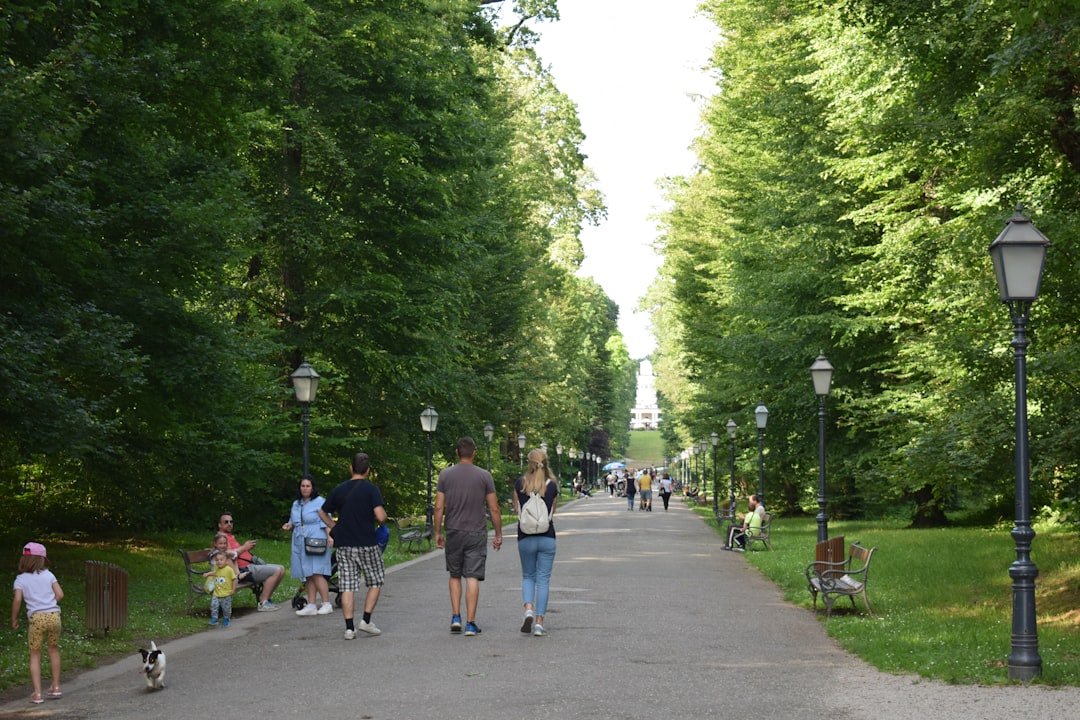
Barcelona’s parks and gardens offer a serene escape from the bustling city streets, providing lush green spaces where visitors can relax and recharge. One such oasis is Parc de la Ciutadella, which boasts beautiful gardens, a lake, and even a zoo. This park is not only a favorite among locals for picnics and leisurely strolls but also serves as a cultural hub with its various museums and performance spaces.
The park’s centerpiece is the grand Cascada Monumental, a stunning fountain designed by Josep Fontserè with contributions from a young Gaudí. Another hidden gem is the Jardins de Montjuïc, which offers breathtaking views of the city and harbor. These gardens are home to various plant species from around the world and feature beautiful terraces adorned with fountains and sculptures.
Visitors can wander through the tranquil pathways or find a quiet spot to enjoy a book while soaking in the natural beauty surrounding them. The gardens also host cultural events throughout the year, making them an integral part of Barcelona’s vibrant outdoor scene.
Cycling Along the Waterfront and Beaches
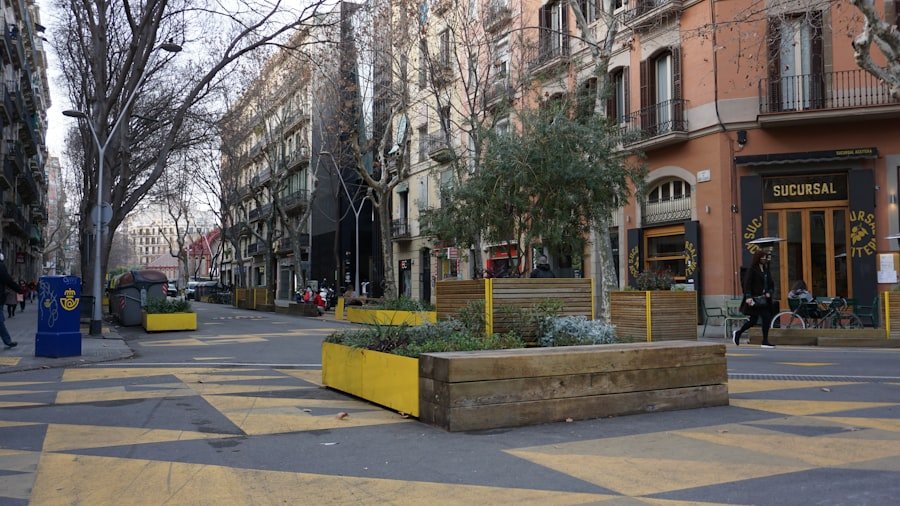
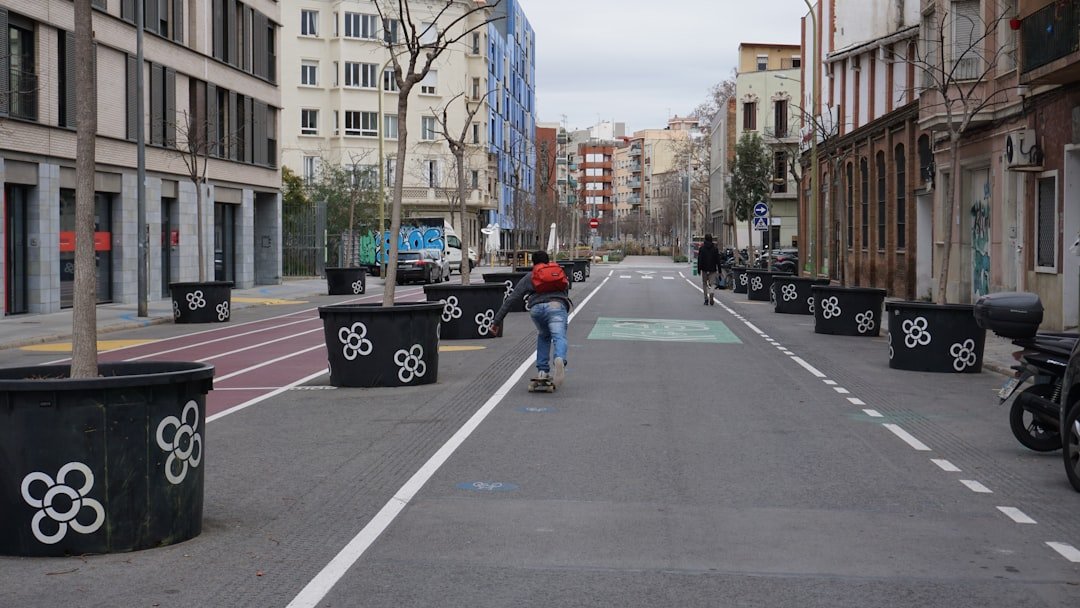
Barcelona’s waterfront presents an ideal setting for cycling enthusiasts looking to explore the city’s coastline while enjoying fresh sea breezes. The extensive network of bike lanes along the beach makes it easy for both locals and tourists to navigate this picturesque area safely. Renting a bike allows visitors to cover more ground while taking in stunning views of the Mediterranean Sea and iconic landmarks like the W Hotel and Barceloneta Beach.
Cycling along the waterfront also provides access to hidden beaches that are less crowded than their more famous counterparts. For instance, Mar Bella Beach is known for its relaxed atmosphere and vibrant beach bars where one can unwind with a refreshing drink after a long ride. The beach’s nudist section attracts those looking for an alternative experience away from the bustling tourist spots.
As cyclists pedal along the promenade, they can stop at various chiringuitos (beach bars) to sample local seafood dishes or simply enjoy the sun while listening to the sound of waves lapping against the shore.
Visiting Quaint Neighborhoods and Historic Districts
Barcelona’s neighborhoods each possess their own distinct character, offering visitors an opportunity to immerse themselves in different facets of Catalan culture. The charming district of El Born is known for its narrow streets lined with artisan shops and trendy boutiques. This area is also home to historical landmarks such as the Santa Maria del Mar church, which stands as a testament to Gothic architecture’s grandeur.
The neighborhood’s vibrant atmosphere comes alive during evenings when locals gather at tapas bars to enjoy traditional dishes paired with local wines. Another neighborhood worth exploring is Poble Sec, which has undergone significant transformation in recent years while retaining its authentic charm. Nestled at the foot of Montjuïc hill, Poble Sec boasts an array of tapas bars that showcase traditional Catalan cuisine alongside innovative culinary creations.
The area’s proximity to cultural venues like the Teatre Grec makes it an ideal spot for those looking to experience both food and art in one outing. Strolling through Poble Sec’s streets reveals colorful murals and lively plazas where impromptu performances often take place, creating an atmosphere rich in creativity and community spirit.
Sampling Local Cuisine and Drinks in Off-the-Beaten-Path Cafes and Bars
To truly experience Barcelona’s culinary scene, one must venture beyond mainstream restaurants into off-the-beaten-path cafes and bars that offer authentic flavors rooted in tradition. Tucked away in quiet corners are establishments like Café de l’Opera on La Rambla or El Xampanyet in El Born, where locals gather to savor traditional tapas paired with sparkling Cava—a Catalan specialty. These venues often have a warm ambiance filled with laughter and conversation, making them perfect spots for socializing over delicious food.
For those seeking something unique, exploring lesser-known neighborhoods can lead to delightful discoveries such as hidden wine bars or family-run eateries serving homemade dishes passed down through generations. In Gràcia, for example, one might stumble upon La Pepita—a cozy bar known for its creative tapas made from locally sourced ingredients. Here, patrons can enjoy dishes like grilled octopus with chickpeas or Iberian ham paired with artisan cheeses while sipping on natural wines from small producers across Spain.
This intimate dining experience allows visitors not only to taste authentic Catalan cuisine but also to connect with passionate chefs who pour their heart into every dish they create. In conclusion, Barcelona’s hidden corners offer an abundance of experiences waiting to be uncovered by those willing to explore beyond the surface. From navigating narrow streets steeped in history to discovering unique architecture adorned with street art, each aspect contributes to the city’s rich tapestry of culture and creativity.
Whether cycling along its scenic waterfront or indulging in local cuisine at quaint cafes, every moment spent in this vibrant city reveals new layers of charm that make Barcelona truly unforgettable.
FAQs
What are some popular cycling routes around Barcelona’s hidden corners?
Popular cycling routes around Barcelona’s hidden corners include the Collserola Natural Park trails, the coastal path from Barceloneta to Badalona, and the lesser-known streets of the Gràcia and Poble Sec neighborhoods. These routes offer a mix of urban and natural scenery away from the main tourist areas.
Are the cycling routes around Barcelona suitable for beginners?
Many cycling routes around Barcelona’s hidden corners are suitable for beginners, especially those that follow flat coastal paths or gentle park trails. However, some routes in the hills or natural parks may be more challenging and better suited for experienced cyclists.
What type of bike is recommended for cycling around Barcelona’s hidden corners?
A hybrid or city bike is generally recommended for cycling around Barcelona’s hidden corners, as these bikes handle both paved urban streets and light off-road trails well. For more rugged natural park routes, a mountain bike may be preferable.
Is it safe to cycle around Barcelona’s hidden corners?
Cycling around Barcelona’s hidden corners is generally safe, especially on designated bike lanes and trails. It is important to follow local traffic rules, wear a helmet, and be cautious in busy urban areas or on shared paths.
Are there bike rental services available in Barcelona?
Yes, Barcelona offers numerous bike rental services, including electric bikes and traditional bicycles. Many rental shops are located near popular cycling areas and city centers, making it easy to explore hidden corners by bike.
Can I combine cycling with public transportation in Barcelona?
Yes, Barcelona’s public transportation system allows bicycles on certain trains and metro lines during off-peak hours. This makes it convenient to reach starting points for cycling routes around the city’s hidden corners.
What is the best time of year to cycle around Barcelona’s hidden corners?
The best time to cycle around Barcelona’s hidden corners is during spring (April to June) and autumn (September to November) when the weather is mild and pleasant. Summers can be hot, and winters are generally mild but may be rainy.
Are there guided cycling tours available for exploring Barcelona’s hidden corners?
Yes, several companies offer guided cycling tours that focus on Barcelona’s hidden corners, providing local insights and safe routes. These tours can be a great way to discover lesser-known areas with an experienced guide.