Tankless water heaters, also known as on-demand water heaters, provide hot water by heating it directly as it flows through the unit, rather than storing large volumes in a tank. When a hot water tap is opened, cold water enters the unit where gas or electric heating elements warm it before delivery to the faucet or appliance. This design allows for a continuous supply of hot water without the constraints of a storage tank.
These systems offer several advantages. They typically last longer than conventional tank heaters, with a lifespan exceeding 20 years when properly maintained. They are also more energy-efficient, consuming power only when hot water is needed, which can reduce energy consumption by 30% or more.
However, the upfront cost of purchasing and installing a tankless system is generally higher than traditional models. Homeowners should weigh these factors when considering whether to upgrade to a tankless system.
Choosing the Right Location for Installation
Selecting the appropriate location for a tankless water heater installation is critical to its performance and efficiency. Ideally, the unit should be installed close to the point of use to minimize the distance that hot water must travel. This not only enhances the system’s efficiency but also reduces the wait time for hot water to reach faucets and appliances.
Common locations include utility rooms, basements, or even outside walls if climate conditions permit. Moreover, it is essential to consider ventilation requirements when choosing a location. Gas-powered tankless heaters require proper venting to expel combustion gases safely.
This often necessitates installation in areas with adequate airflow and access to the exterior of the home. Additionally, local building codes may dictate specific installation requirements regarding clearances from walls and other structures. Homeowners should consult with professionals or refer to local regulations to ensure compliance and optimal performance.
Preparing for Installation
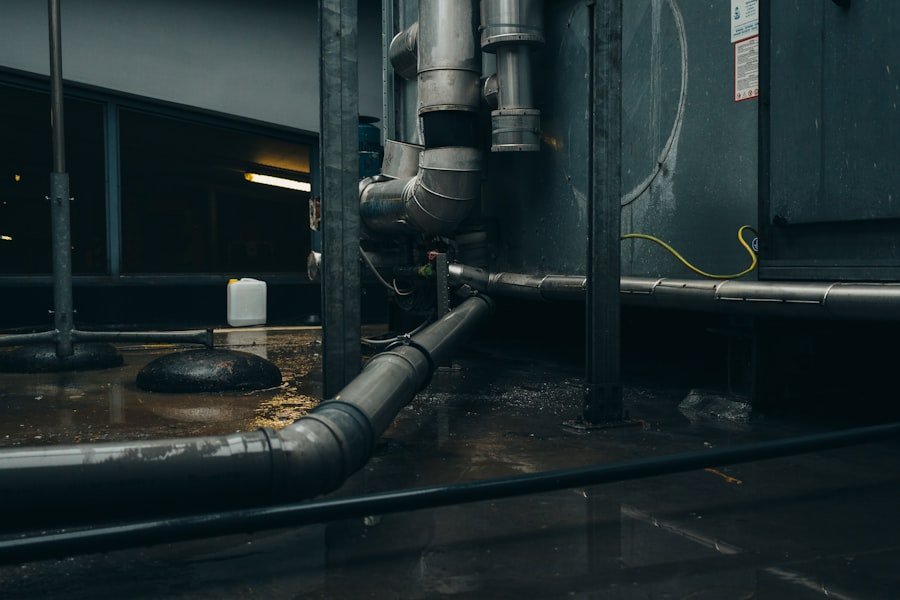
Before diving into the installation process, thorough preparation is essential to ensure a smooth and successful setup. This begins with assessing the existing plumbing and electrical systems in the home. Homeowners should evaluate whether their current infrastructure can support a tankless system, particularly in terms of gas supply and electrical capacity.
For instance, gas units may require larger gas lines than those used for traditional heaters, while electric models may need dedicated circuits to handle their power demands. In addition to evaluating existing systems, it is crucial to gather all necessary permits and approvals from local authorities before commencing installation. Many jurisdictions require permits for plumbing and electrical work, especially when it involves significant changes to existing systems.
Failing to secure these permits can lead to fines or complications during inspections. Homeowners should also consider consulting with a licensed plumber or contractor who specializes in tankless systems to ensure that all preparations are adequately addressed.
Gathering Necessary Tools and Materials
A successful installation of a tankless water heater requires a variety of tools and materials. Homeowners should begin by compiling a comprehensive list of what will be needed for the job. Essential tools typically include wrenches, screwdrivers, pipe cutters, and pliers.
Additionally, safety equipment such as gloves and goggles should be on hand to protect against potential hazards during installation. In terms of materials, the specific requirements will depend on whether the unit is gas or electric. For gas units, homeowners will need appropriate gas piping, fittings, and possibly a new venting system designed for high-efficiency appliances.
Electric models will require heavy-gauge wiring and circuit breakers suitable for the unit’s power requirements. It’s also advisable to have Teflon tape for sealing threaded connections and pipe insulation to enhance energy efficiency. Ensuring that all tools and materials are ready before starting will streamline the installation process and minimize interruptions.
Connecting the Water and Gas Lines
| Metric | Value | Notes |
|---|---|---|
| Average Installation Time | 2-4 hours | Depends on existing plumbing setup |
| Typical Cost Range | 300 – 700 | Excludes major plumbing modifications |
| Water Heater Capacity | Up to 7 gallons per minute (GPM) | Sufficient for most residential needs |
| Electrical Requirements | 120V or 240V, 15-50 amps | Depends on model and size |
| Plumbing Modifications | Minimal to none | Utilizes existing water lines |
| Energy Efficiency Improvement | Up to 30% | Compared to traditional tank heaters |
| Space Savings | Up to 50% | Wall-mounted design |
| Maintenance Frequency | Annually | Descaling recommended |
Connecting the water and gas lines is one of the most critical steps in installing a tankless water heater. For water connections, homeowners must first shut off the main water supply to prevent leaks during installation. The cold water line should be connected to the inlet side of the heater, while the hot water line connects to the outlet side.
It’s essential to use high-quality fittings and ensure that all connections are tight to prevent leaks. For gas-powered units, connecting the gas line involves additional considerations. The gas supply line must be appropriately sized to accommodate the heater’s BTU requirements; undersized lines can lead to insufficient gas flow and poor performance.
After connecting the gas line, it’s crucial to check for leaks using a soap solution or a gas leak detector before proceeding with further installation steps. This precaution helps ensure safety and compliance with local codes.
Installing Venting Systems
Venting systems are vital for gas-powered tankless water heaters as they safely expel combustion gases produced during operation. The type of venting system required will depend on the specific model of the heater and local building codes. Most modern units utilize either direct venting or power venting systems.
Direct venting draws air from outside for combustion and expels exhaust gases through a sealed pipe, making it an efficient option for many installations. When installing venting systems, it’s essential to follow manufacturer guidelines closely regarding pipe diameter, length, and termination points outside the home. Improper venting can lead to dangerous backdrafts or inefficient operation of the heater.
Additionally, homeowners should ensure that there are no obstructions near the vent termination point that could impede airflow or create safety hazards. Proper installation of venting systems not only enhances safety but also optimizes the performance of the tankless water heater.
Testing and Troubleshooting
Once all connections are made and the unit is installed, thorough testing is necessary to ensure everything functions correctly. Homeowners should first turn on the main water supply and check for any leaks around all connections—this includes both water lines and gas lines if applicable. If any leaks are detected, they must be addressed immediately before proceeding further.
After confirming that there are no leaks, it’s time to test the heater’s operation. For gas units, this involves turning on the gas supply and igniting the unit according to manufacturer instructions. Electric models require turning on the power supply at the circuit breaker.
Once operational, homeowners should run hot water at various fixtures throughout the house to ensure consistent temperature and flow rates. If issues arise during testing—such as inconsistent temperatures or low flow—troubleshooting may involve checking filter screens for clogs or verifying that all connections are secure.
Maintenance and Care
Maintaining a tankless water heater is essential for ensuring its longevity and optimal performance over time. Regular maintenance tasks include descaling the unit at least once a year, especially in areas with hard water where mineral buildup can occur more rapidly. Descaling involves using a vinegar solution or a commercial descaling product specifically designed for tankless systems to remove limescale buildup from heating elements.
In addition to descaling, homeowners should routinely check filters and screens for debris that could impede performance. Cleaning these components helps maintain efficient operation and prolongs the life of the unit. It’s also advisable to inspect venting systems periodically for any signs of blockages or damage that could affect safety and efficiency.
By adhering to these maintenance practices, homeowners can enjoy reliable hot water service while maximizing their investment in a tankless water heater system.
FAQs
What is a tankless water heater?
A tankless water heater is a device that heats water on demand without storing it in a tank. It provides hot water only when needed, which can improve energy efficiency and save space.
Can I install a tankless water heater without a complete plumbing overhaul?
Yes, in many cases, a tankless water heater can be installed using the existing plumbing infrastructure, minimizing the need for extensive modifications. However, some adjustments may be necessary depending on your current setup.
What are the benefits of installing a tankless water heater without major plumbing changes?
Installing a tankless water heater without a plumbing overhaul can reduce installation time, lower costs, and minimize disruption to your home while still providing the benefits of on-demand hot water.
Do tankless water heaters require special venting or electrical upgrades?
Some tankless water heaters may require specific venting systems or electrical upgrades, especially if switching from a traditional tank heater. It is important to check the manufacturer’s requirements and local building codes.
Is professional installation recommended for tankless water heaters?
Yes, professional installation is recommended to ensure the unit is installed safely, complies with local codes, and operates efficiently. A licensed plumber or HVAC technician can assess your current plumbing and make necessary adjustments.
Will installing a tankless water heater affect my water pressure?
Generally, a properly installed tankless water heater should not negatively impact water pressure. However, if your plumbing system is old or undersized, you may need to address those issues separately.
How long does it take to install a tankless water heater without plumbing overhaul?
Installation time varies but typically ranges from a few hours to a day, depending on the complexity of the existing plumbing and the type of unit being installed.
Can I install a tankless water heater myself?
While some experienced DIYers may install a tankless water heater, it is usually best to hire a professional due to the technical requirements involving plumbing, gas lines, electrical connections, and venting.
Will installing a tankless water heater save me money?
Tankless water heaters can save money over time through improved energy efficiency and reduced water heating costs. However, initial installation costs and potential upgrades should be considered.
Are there any maintenance requirements for tankless water heaters?
Yes, tankless water heaters require periodic maintenance such as descaling and flushing to prevent mineral buildup and ensure efficient operation. Maintenance frequency depends on water quality and usage.