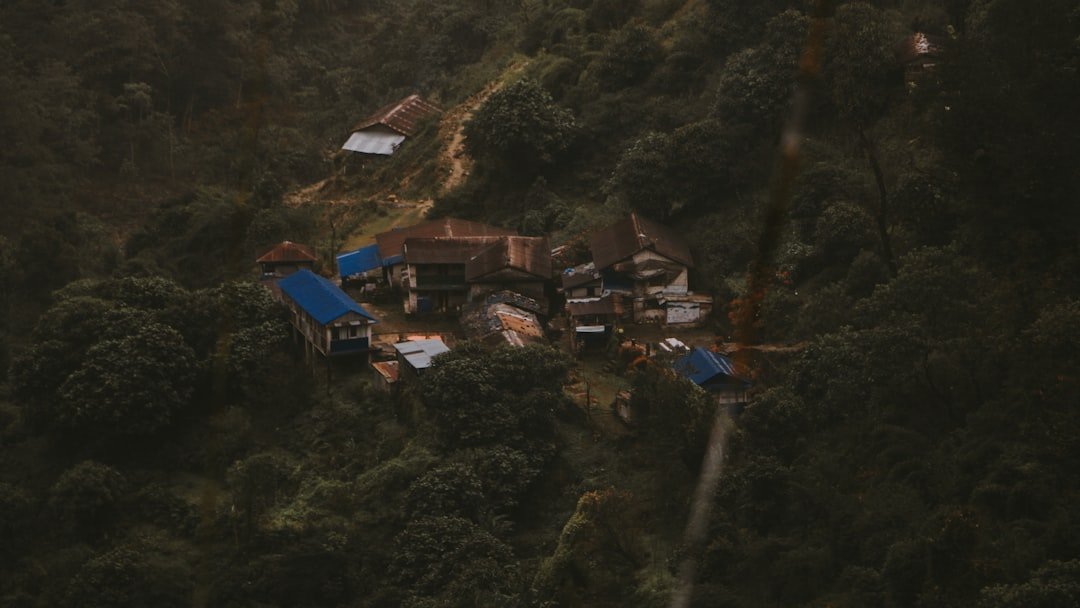
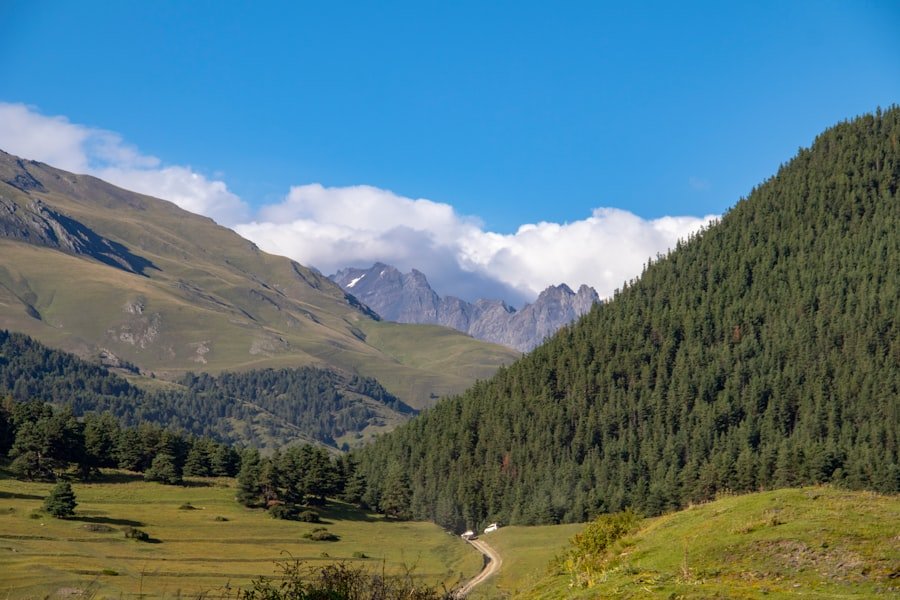
Rural areas surrounding Marrakech present a distinct contrast to the city’s urban environment. Located a short distance from Marrakech’s markets and city center, these regions feature traditional villages, extensive olive plantations, and views of the Atlas Mountains. The Berber people, the indigenous inhabitants of this area, have maintained their cultural practices and traditions for generations.
Rural communities here are characterized by strong social bonds and established customs, offering visitors an authentic perspective on local life that differs from typical tourist attractions in the city. The rural areas near Marrakech attract visitors through their natural landscape and the hospitality of local residents. Berber settlements consist of mud-brick houses and agricultural terraces that demonstrate the practical skills and adaptability of the population.
The pace of life in these communities is notably slower than in urban centers, providing an opportunity to experience a culture centered on community values, traditional practices, and sustainable living methods. Visitors to these areas can observe various aspects of Berber culture, including historical practices and traditional food preparation methods.
Exploring the Berber Villages
The Berber villages surrounding Marrakech are a treasure trove of history and culture, each with its own unique character and charm. One of the most accessible villages is Imlil, nestled in the foothills of the Atlas Mountains. This village serves as a gateway for trekkers heading towards Toubkal, the highest peak in North Africa.
The winding paths that lead through Imlil are lined with terraced fields where local farmers cultivate crops such as barley and potatoes. Visitors can wander through the village, observing the traditional architecture and interacting with friendly locals who are often eager to share stories about their way of life. Another notable village is Ait Benhaddou, a UNESCO World Heritage site that showcases stunning examples of traditional earthen clay architecture.
This fortified village has served as a backdrop for numerous films, including “Gladiator” and “Game of Thrones.” Walking through its narrow alleys, one can appreciate the intricate designs and craftsmanship that have been passed down through generations. The village’s strategic location along ancient trade routes highlights its historical significance, making it a fascinating destination for those interested in both culture and history.
Experiencing Traditional Berber Culture
Experiencing traditional Berber culture is an enriching aspect of visiting rural areas near Marrakech. The Berbers have a distinct identity that is reflected in their language, music, and customs. One of the most striking elements of Berber culture is their music, characterized by rhythmic drumming and the use of traditional instruments such as the guembri and bendir.
Visitors may have the opportunity to attend local celebrations or festivals where traditional music and dance are performed, providing an authentic glimpse into the vibrancy of Berber life. Craftsmanship is another vital component of Berber culture. The art of weaving is particularly significant, with women often gathering to create intricate rugs that tell stories through their patterns and colors.
These rugs are not merely decorative items; they hold cultural significance and are often passed down through generations. Tourists can visit local workshops where artisans demonstrate their skills, offering insights into the techniques used to create these beautiful textiles. Engaging with artisans not only supports local economies but also fosters a deeper appreciation for the cultural heritage embedded in each piece.
Participating in Local Farming Activities
Participating in local farming activities provides an immersive experience that connects visitors with the land and its people. The agricultural practices in rural areas near Marrakech are deeply rooted in tradition, with many families relying on subsistence farming for their livelihoods. Visitors can join local farmers in their daily routines, whether it involves planting seeds in the fertile soil or harvesting crops during the bountiful seasons.
This hands-on experience allows travelers to gain insight into the challenges and rewards of rural life while fostering a sense of connection with the community. One popular activity is olive harvesting, which typically occurs in late autumn. The region is known for its high-quality olive oil, and participating in this age-old tradition offers a unique perspective on the importance of olives in Berber culture.
Visitors can learn about the various stages of olive production, from hand-picking the fruit to pressing it into oil. This experience not only highlights sustainable farming practices but also emphasizes the communal aspect of agriculture, as families often come together to assist one another during harvest time.
Tasting Authentic Berber Cuisine
| Village Name | Distance from Marrakech (km) | Population | Main Attractions | Traditional Crafts | Best Visiting Season |
|---|---|---|---|---|---|
| Ourika | 30 | 15,000 | Waterfalls, Berber markets, Atlas Mountains | Pottery, weaving | Spring and Autumn |
| Tahanaout | 35 | 10,000 | Local souks, traditional Berber houses | Carpet weaving, leatherwork | Year-round |
| Asni | 40 | 8,000 | Weekly market, mountain hiking | Wood carving, jewelry making | Spring and Summer |
| Imlil | 65 | 2,000 | Base for Toubkal trekking, scenic views | Handmade textiles, traditional cooking | Spring to early Autumn |
| Setti Fatma | 60 | 1,500 | Seven waterfalls, hiking trails | Herbal products, pottery | Spring and Autumn |
No visit to rural areas near Marrakech would be complete without indulging in authentic Berber cuisine. The culinary traditions of the Berber people are characterized by hearty ingredients and bold flavors, often reflecting the agricultural bounty of the region. One staple dish is tagine, a slow-cooked stew made with meat, vegetables, and aromatic spices, served in a distinctive conical pot.
Each family has its own recipe, passed down through generations, making every tagine a unique culinary experience. Another beloved dish is couscous, traditionally served on Fridays as part of a communal meal. The preparation of couscous is an art form in itself; it involves steaming semolina grains over a simmering stew until they become fluffy and tender.
Visitors may have the chance to participate in this process, learning from local cooks who take pride in their culinary heritage. Accompanying these dishes are an array of salads made from fresh vegetables and herbs, showcasing the vibrant flavors of local produce.
Engaging in Outdoor Activities in the Atlas Mountains
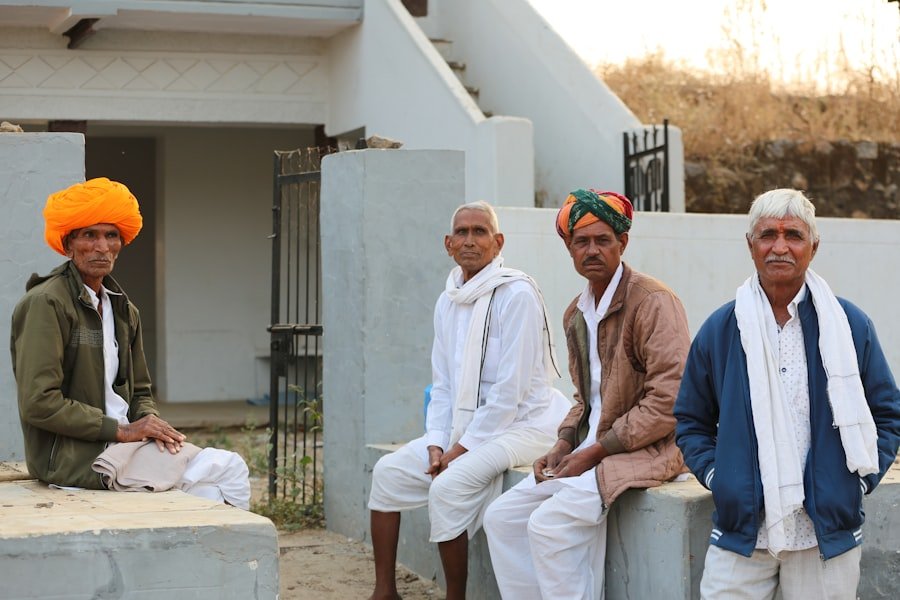
The Atlas Mountains provide a stunning backdrop for outdoor enthusiasts seeking adventure and exploration. With their rugged terrain and breathtaking vistas, these mountains offer a plethora of activities for visitors to enjoy. Hiking is one of the most popular pursuits, with trails ranging from leisurely walks to challenging treks that lead to high-altitude peaks.
The Toubkal National Park is particularly renowned for its hiking opportunities, attracting trekkers from around the world who seek to conquer North Africa’s highest summit. In addition to hiking, visitors can engage in mountain biking or horseback riding through picturesque valleys and along winding paths that connect remote villages. These outdoor activities not only provide an adrenaline rush but also allow travelers to appreciate the natural beauty of the region while interacting with local communities along the way.
The diverse landscapes—from lush valleys to rocky outcrops—create an ever-changing backdrop that enhances the outdoor experience.
Visiting Local Markets and Artisan Workshops
Local markets are vibrant hubs of activity where visitors can immerse themselves in the daily life of rural communities near Marrakech. These markets offer an array of goods, from fresh produce to handmade crafts, providing insight into local commerce and culture. The weekly souks are particularly lively, with vendors showcasing their wares amidst colorful stalls filled with fruits, vegetables, spices, and textiles.
Engaging with local merchants allows travelers to learn about traditional practices while supporting small-scale farmers and artisans. Artisan workshops are another highlight for those interested in craftsmanship. Many villages are home to skilled artisans who create beautiful pottery, leather goods, and jewelry using techniques that have been honed over generations.
Visitors can observe these artisans at work, gaining an appreciation for their dedication and skill. Some workshops even offer hands-on experiences where travelers can try their hand at crafting their own pieces under the guidance of experienced artisans.
Staying in Charming Rural Accommodations
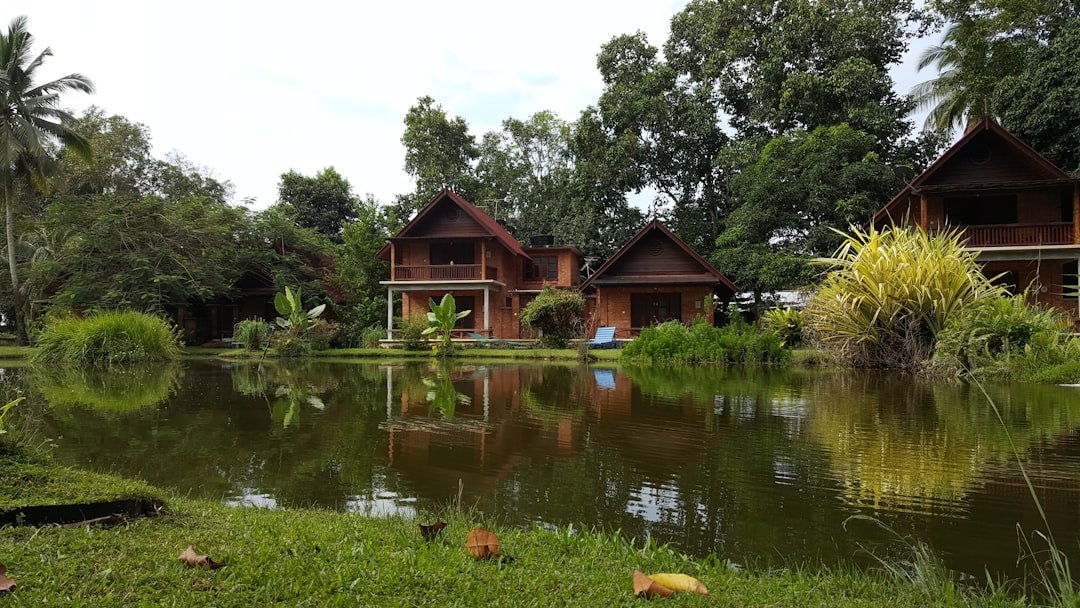
Staying in charming rural accommodations enhances the overall experience of visiting areas near Marrakech. Many guesthouses and lodges are designed to reflect traditional Berber architecture while providing modern comforts for guests. These accommodations often feature stunning views of the surrounding landscape, allowing visitors to wake up to breathtaking sunrises over the Atlas Mountains or tranquil evenings under starlit skies.
Staying with local families offers an even more immersive experience, as guests can partake in daily activities and share meals with their hosts. This type of accommodation fosters genuine connections between travelers and locals, creating lasting memories that go beyond typical tourist experiences. Whether enjoying a cup of mint tea on a terrace overlooking terraced fields or participating in evening storytelling sessions around a fire, these moments encapsulate the essence of rural life near Marrakech—warmth, hospitality, and a deep connection to tradition and community.
FAQs
What are traditional villages outside Marrakech’s Medina?
Traditional villages outside Marrakech’s Medina are small, often rural communities that maintain historical Berber and Moroccan architectural styles, customs, and ways of life. These villages are located beyond the ancient walled city (Medina) of Marrakech and offer a glimpse into Morocco’s cultural heritage.
How can I visit traditional villages outside Marrakech’s Medina?
Visitors can explore these villages by hiring a local guide, joining a day tour, or renting a car to drive independently. Many tours depart from Marrakech and include visits to nearby villages such as Ait Ourir, Tameslouht, and others in the surrounding Atlas Mountains.
What can I expect to see in these traditional villages?
In traditional villages, you can expect to see mud-brick houses, narrow alleys, local markets, artisan workshops, and agricultural terraces. Visitors often experience authentic Moroccan rural life, including traditional crafts, cuisine, and hospitality.
Are these villages safe for tourists?
Yes, traditional villages outside Marrakech’s Medina are generally safe for tourists. However, it is advisable to travel with a guide or in a group, respect local customs, and take standard travel precautions.
What is the best time of year to visit these villages?
The best time to visit is during spring (March to May) and autumn (September to November) when the weather is mild and pleasant. Summers can be very hot, and winters may be cold, especially in mountainous areas.
Do I need to speak Arabic or French to visit these villages?
While Arabic and French are commonly spoken, many guides and locals in tourist areas speak some English. Learning a few basic Arabic or Berber phrases can enhance your experience and interactions.
Can I buy local crafts in these villages?
Yes, many traditional villages have artisans who produce handmade crafts such as pottery, textiles, carpets, and jewelry. Purchasing directly supports local communities and preserves traditional crafts.
Are there accommodations available in these villages?
Some villages offer guesthouses or riads where visitors can stay overnight, providing an immersive cultural experience. However, accommodations may be limited, so booking in advance is recommended.
How far are these villages from Marrakech’s Medina?
The distance varies, but most traditional villages are located within 20 to 60 kilometers (12 to 37 miles) from Marrakech’s Medina, making them accessible for day trips.
What cultural etiquette should I observe when visiting these villages?
Visitors should dress modestly, ask permission before photographing people, respect local customs and traditions, and be polite and courteous to residents. It is also important to support sustainable tourism practices.