The ancient forts surrounding Delhi are significant historical structures that document the region’s past across multiple dynasties. These fortifications functioned as military strongholds, administrative centers, and cultural hubs. The forts contain historical records spanning centuries that demonstrate the development of Indian society and its various cultural influences.
These structures provide valuable information about the people who lived in them and the periods in which they were constructed. Several notable forts are located near Delhi, including the Red Fort, Tughlaqabad Fort, and Neemrana Fort. Each fort has distinct architectural features and historical importance that attract visitors internationally.
These forts serve as important resources for studying the political and social conditions of their respective time periods. Examining the history, architecture, and cultural significance of these forts contributes to a comprehensive understanding of India’s historical heritage.
History and Significance of the Forts
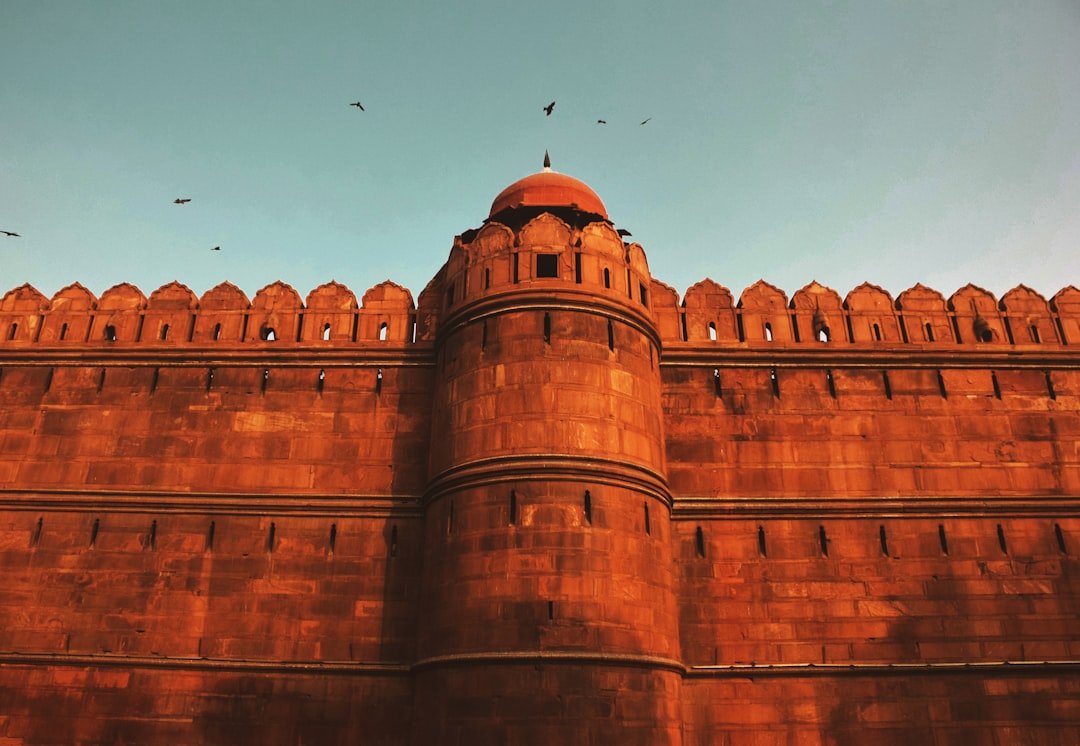
The history of the forts near Delhi is a narrative woven through the rise and fall of empires. The Red Fort, for instance, was commissioned by Mughal Emperor Shah Jahan in 1638 as the palace for his new capital, Shahjahanabad. This fort is emblematic of Mughal architecture and represents the zenith of Mughal power.
Its walls have witnessed significant events, including the first war of Indian independence in 1857, making it a symbol of resistance against colonial rule. The fort’s historical significance extends beyond its architectural grandeur; it embodies the cultural and political ethos of an era that shaped modern India. Tughlaqabad Fort, built in the 14th century by Ghiyas-ud-din Tughlaq, is another remarkable example.
It was constructed as a defensive stronghold to protect against invasions and to assert Tughlaq power in the region. The fort’s imposing walls and strategic location on a rocky outcrop reflect the military ingenuity of its time. However, its history is also marked by tales of ambition and downfall, as it was abandoned shortly after its completion due to water scarcity and political strife.
This duality of purpose—both as a fortress and a symbol of transient power—adds depth to its historical narrative.
Location and Accessibility of the Forts
The geographical positioning of these ancient forts plays a crucial role in their historical context. The Red Fort is situated in the heart of Old Delhi, making it easily accessible to both locals and tourists. Its proximity to other historical sites, such as Jama Masjid and Chandni Chowk, allows visitors to immerse themselves in a rich cultural experience.
The fort’s location not only served strategic military purposes but also facilitated trade and commerce during its heyday. In contrast, Tughlaqabad Fort is located about 10 kilometers from central Delhi, nestled amidst rugged terrain that adds to its imposing presence. While it may require a bit more effort to reach, the journey is rewarded with stunning views and a sense of solitude that contrasts sharply with the bustling city life nearby.
The fort is accessible via public transport and private vehicles, making it a feasible destination for those interested in exploring lesser-known historical sites. Neemrana Fort, located approximately 122 kilometers from Delhi in Rajasthan, offers a different experience altogether. This 15th-century fort has been transformed into a heritage hotel, allowing visitors to not only explore its historical significance but also enjoy modern amenities amidst ancient architecture.
Architectural Features of the Forts
The architectural features of these ancient forts are a reflection of the artistic sensibilities and engineering prowess of their respective eras. The Red Fort is renowned for its red sandstone walls that rise majestically to form an impressive perimeter. The intricate carvings, ornate balconies, and lush gardens within its confines exemplify Mughal architecture at its finest.
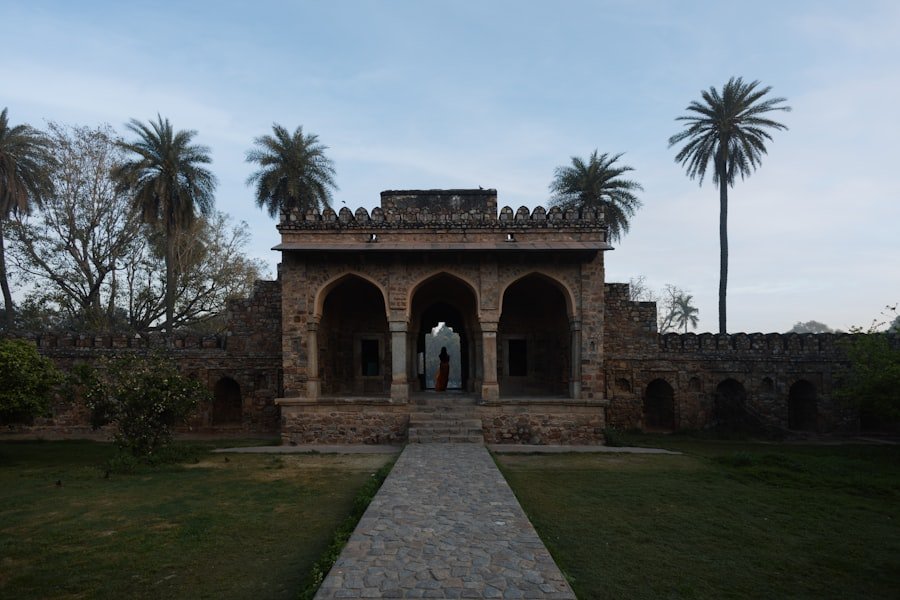
The fort’s layout includes significant structures such as the Diwan-i-Aam (Hall of Public Audience) and Diwan-i-Khas (Hall of Private Audience), each adorned with exquisite marble inlay work and elaborate frescoes that narrate stories from Persian literature. Tughlaqabad Fort showcases a different architectural style characterized by its massive stone walls and bastions. The fort’s design incorporates elements of defensive architecture, with strategically placed towers that provide vantage points for surveillance.
The use of local granite not only adds to its durability but also integrates it seamlessly into the surrounding landscape. The fort’s entrance is marked by an impressive gateway flanked by bastions, leading visitors into a labyrinthine structure that reveals hidden chambers and expansive courtyards. Neemrana Fort stands out for its unique blend of Rajput and Mughal architectural styles.
Built on several levels along a hill, it features a series of terraces adorned with intricate jali work (lattice screens) and ornate arches. The fort’s design emphasizes harmony with nature, incorporating water bodies and gardens that enhance its aesthetic appeal. Each room within the fort has been meticulously restored to reflect its historical significance while providing modern comforts, making it a fascinating study in adaptive reuse.
Cultural and Heritage Importance of the Forts
| Fort Name | Location | Year Built | Historical Significance | Distance from Delhi (km) | Visitor Popularity (Annual Visitors) |
|---|---|---|---|---|---|
| Neemrana Fort | Neemrana, Rajasthan | 1464 | Strategic hilltop fort, now a heritage hotel | 122 | 150,000 |
| Agra Fort | Agra, Uttar Pradesh | 1565 | Mughal imperial residence and military fort | 233 | 2,500,000 |
| Chittorgarh Fort | Chittorgarh, Rajasthan | 7th century | Largest fort in India, symbol of Rajput valor | 670 | 1,200,000 |
| Jaigarh Fort | Jaipur, Rajasthan | 1726 | Known for its cannon foundry and military architecture | 280 | 800,000 |
| Taragarh Fort | Ajmer, Rajasthan | 1354 | Hill fort with panoramic views of Ajmer | 130 | 300,000 |
The cultural significance of these ancient forts extends beyond their architectural grandeur; they are vital components of India’s heritage narrative. The Red Fort has been designated a UNESCO World Heritage Site, recognized for its historical importance and architectural brilliance. It serves as a venue for national celebrations, including the annual Independence Day address by the Prime Minister, reinforcing its status as a symbol of Indian sovereignty and pride.
Tughlaqabad Fort, while less frequented by tourists, holds immense cultural value as a site that reflects the complexities of medieval Indian politics. It stands as a reminder of the Tughlaq dynasty’s ambitions and challenges, offering insights into the socio-political landscape of 14th-century India. The fort’s ruins evoke a sense of nostalgia for a bygone era while serving as an important educational resource for historians and archaeologists alike.
Neemrana Fort embodies the spirit of heritage tourism in India. Its transformation into a luxury hotel has not only preserved its architectural integrity but has also created opportunities for cultural exchange between visitors and local communities. The fort hosts various cultural events, including music festivals and traditional dance performances, fostering an appreciation for regional art forms while providing economic benefits to the surrounding area.
Excavations and Discoveries at the Forts
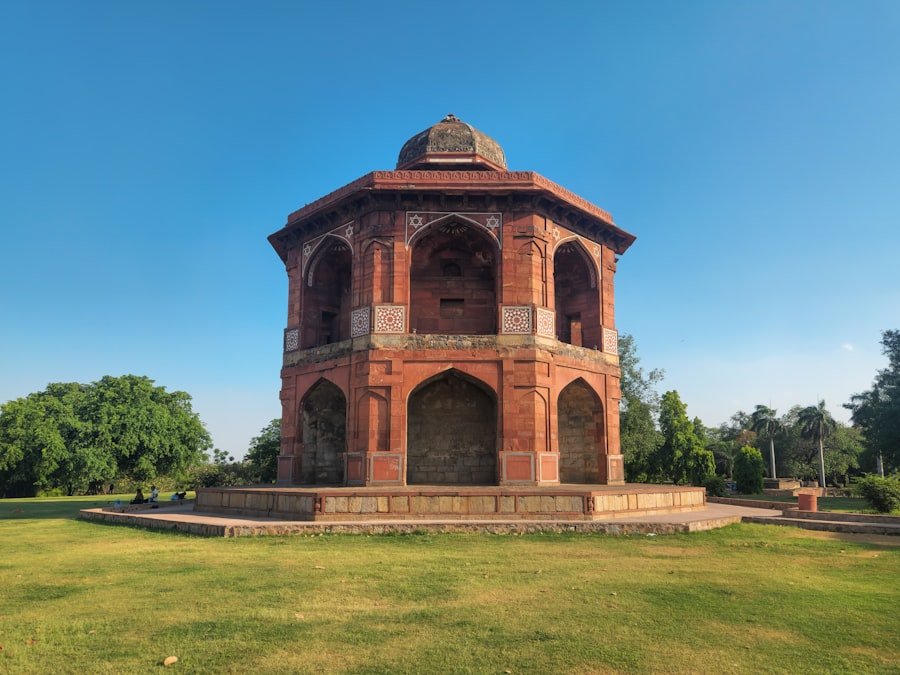
Archaeological excavations at these ancient forts have yielded significant discoveries that enhance our understanding of their historical contexts. At Tughlaqabad Fort, excavations have uncovered remnants of structures that date back to its construction period, including water storage systems that highlight the ingenuity of medieval engineering. These findings provide valuable insights into how water management was crucial for sustaining life within fortified settlements.
The Red Fort has also been a focal point for archaeological research. Excavations have revealed layers of occupation that date back to earlier periods before the Mughal era, indicating that this site has been significant for centuries. Artifacts such as pottery shards, coins, and tools have been unearthed, offering glimpses into daily life during different historical phases.
These discoveries not only enrich our understanding of the fort’s past but also contribute to broader narratives about urban development in pre-colonial India. At Neemrana Fort, ongoing restoration efforts have led to exciting discoveries related to its original construction techniques and materials used in its architecture. Archaeologists have found evidence of ancient trade routes that connected Neemrana to other regions, underscoring its role as a commercial hub during its prime.
Such findings illuminate the interconnectedness of various cultures and economies in medieval India.
Preservation and Conservation Efforts
Preserving these ancient forts is crucial for maintaining their historical integrity and ensuring they continue to be sources of knowledge for future generations. Various organizations and government bodies are involved in conservation efforts aimed at safeguarding these structures from environmental degradation and urban encroachment. The Archaeological Survey of India (ASI) plays a pivotal role in monitoring and maintaining sites like the Red Fort, implementing restoration projects that adhere to conservation principles while enhancing visitor experiences.
At Tughlaqabad Fort, local initiatives have emerged to promote awareness about its historical significance among residents and tourists alike. Community-led efforts focus on cleaning up surrounding areas and organizing guided tours that educate visitors about the fort’s history and architecture. Such grassroots movements are essential for fostering a sense of ownership among local populations regarding their heritage.
Neemrana Fort’s transformation into a heritage hotel has also contributed positively to preservation efforts. The management prioritizes maintaining the fort’s structural integrity while providing modern amenities for guests. This approach not only ensures ongoing maintenance but also generates revenue that can be reinvested into conservation projects.
By blending tourism with preservation, Neemrana serves as a model for sustainable heritage management.
Visiting the Ancient Forts: Tips and Recommendations
For those planning to visit these ancient forts near Delhi, several tips can enhance the experience significantly. When visiting the Red Fort, it is advisable to allocate ample time to explore its vast grounds fully. Guided tours can provide valuable insights into its history and architectural features that might otherwise go unnoticed.
Early morning visits are recommended to avoid crowds and enjoy cooler temperatures while taking in the beauty of this UNESCO World Heritage Site. At Tughlaqabad Fort, wear comfortable shoes suitable for walking on uneven terrain as you navigate through its expansive grounds. Bring along water bottles to stay hydrated during your exploration since facilities may be limited within the fort complex.
Engaging with local guides can enrich your understanding of the fort’s history while providing context to its architectural elements. For those venturing to Neemrana Fort, consider booking an overnight stay to fully appreciate its charm during both day and night. The fort’s ambiance transforms after sunset when it is beautifully illuminated, creating a magical atmosphere perfect for relaxation or romantic getaways.
Participating in cultural events hosted at the fort can also provide unique experiences that connect visitors with local traditions. In conclusion, visiting these ancient forts near Delhi offers not just an opportunity to witness architectural marvels but also a chance to engage with India’s rich history and culture on multiple levels. Each fort tells its own story—of power struggles, artistic achievements, and enduring legacies—making them essential destinations for anyone seeking to understand the complexities of India’s past.
FAQs
What are some notable historical forts located outside Delhi?
Some notable historical forts outside Delhi include the Red Fort in Agra, the Neemrana Fort in Rajasthan, the Tughlaqabad Fort near Delhi, and the Purana Quila in Delhi’s outskirts. These forts showcase various architectural styles and historical periods.
How far are these forts from Delhi?
The distance varies depending on the fort. For example, Agra’s Red Fort is approximately 230 kilometers from Delhi, Neemrana Fort is about 120 kilometers away, and Tughlaqabad Fort is roughly 20 kilometers from central Delhi.
What is the historical significance of these forts?
These forts served as military strongholds, royal residences, and administrative centers during different periods of Indian history. They reflect the architectural ingenuity and strategic importance of their times, often linked to the Mughal, Rajput, and Sultanate eras.
Are these forts open to the public for visits?
Yes, most of these historical forts are open to the public and are popular tourist destinations. Visitors can explore the architecture, learn about the history, and sometimes attend cultural events held at these sites.
What is the best time to visit these forts?
The best time to visit forts near Delhi is during the cooler months, from October to March, when the weather is pleasant for sightseeing and outdoor activities.
Are there guided tours available at these forts?
Yes, many forts offer guided tours either through official channels or private tour operators. These tours provide detailed historical context and insights into the architecture and significance of the forts.
Can these forts be visited in a day trip from Delhi?
Some forts, like Tughlaqabad Fort and Neemrana Fort, can be visited as day trips from Delhi. Others, such as the Red Fort in Agra, may require more time due to travel distance and the size of the site.
Is there an entry fee to visit these forts?
Most forts charge an entry fee, which varies depending on the site and whether the visitor is an Indian citizen or a foreign tourist. It is advisable to check the official websites or local information centers for current fees.
Are there any special events or festivals held at these forts?
Yes, some forts host cultural festivals, light and sound shows, and historical reenactments that highlight their heritage. For example, the Neemrana Fort Palace often hosts cultural events and weddings.
What facilities are available for tourists at these forts?
Facilities vary by fort but generally include parking, restrooms, souvenir shops, and sometimes cafes or restaurants. Some forts also have museums or information centers to enhance the visitor experience.