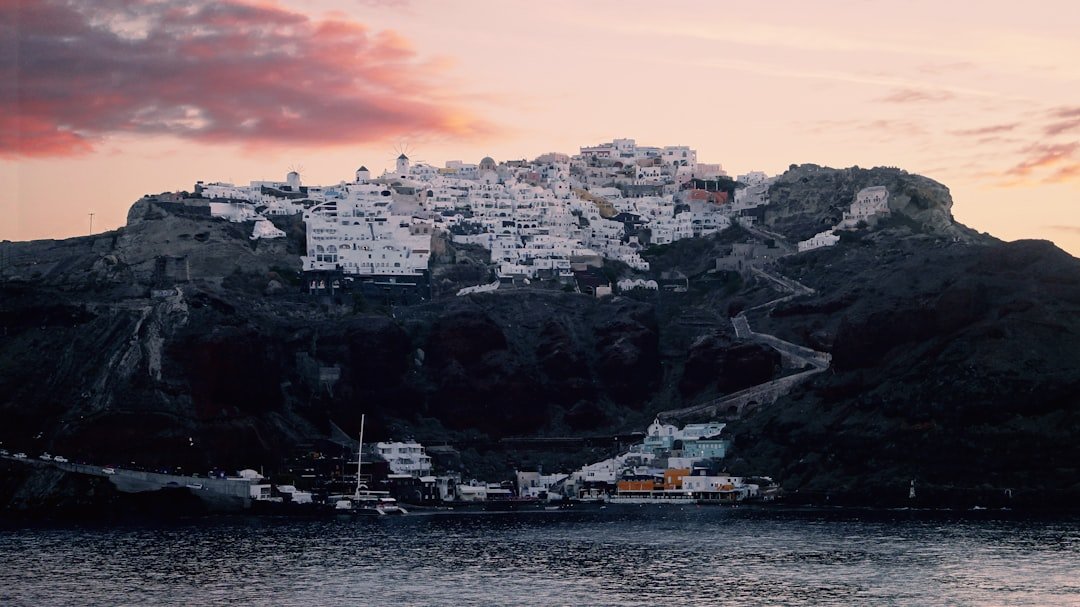
Santorini is an island in Greece known for its dramatic sunsets, white-painted buildings, and blue-domed churches. While popular destinations such as Oia and Fira attract the majority of visitors, the island contains numerous smaller villages that remain relatively undiscovered by tourists. These villages preserve authentic Greek island culture and provide access to local traditions and historical sites.
Unlike the crowded main attractions, these settlements offer quieter environments where visitors can experience daily life as it is lived by residents. Each village has distinct architectural features, historical significance, and natural surroundings. Santorini’s lesser-known villages are notable for their historical and cultural value.
Many contain archaeological remains and examples of traditional Greek architecture that reflect centuries of habitation. Visitors to these areas can explore narrow streets paved with stone, visit family-run restaurants offering traditional cuisine, and interact with residents. This article examines several of these villages, describing the characteristics and attractions that distinguish each location and contribute to the island’s overall cultural landscape.
Exploring the Charming Village of Pyrgos
Pyrgos is often regarded as one of Santorini’s best-kept secrets. Nestled on a hilltop, this village is characterized by its medieval architecture and panoramic views of the island. Unlike the more commercialized areas, Pyrgos retains a sense of authenticity that transports visitors back in time.
The village is dominated by the ruins of a Venetian castle, which dates back to the 15th century. As you ascend the winding paths leading to the castle, you are rewarded with breathtaking vistas of the caldera and the Aegean Sea. The charm of Pyrgos extends beyond its historical significance.
The village is dotted with charming whitewashed houses adorned with colorful bougainvillea, creating a picturesque backdrop for leisurely strolls. Visitors can explore local shops selling handmade crafts and traditional products, such as olive oil and wine. Pyrgos is also home to several churches, each with its own unique architectural style.
The Church of Profitis Ilias, perched at the highest point of the village, offers a serene atmosphere for reflection and contemplation. As the sun sets, Pyrgos transforms into a magical place where the golden hues illuminate the landscape, making it an ideal spot for photography enthusiasts.
Uncovering the Serenity of Emporio
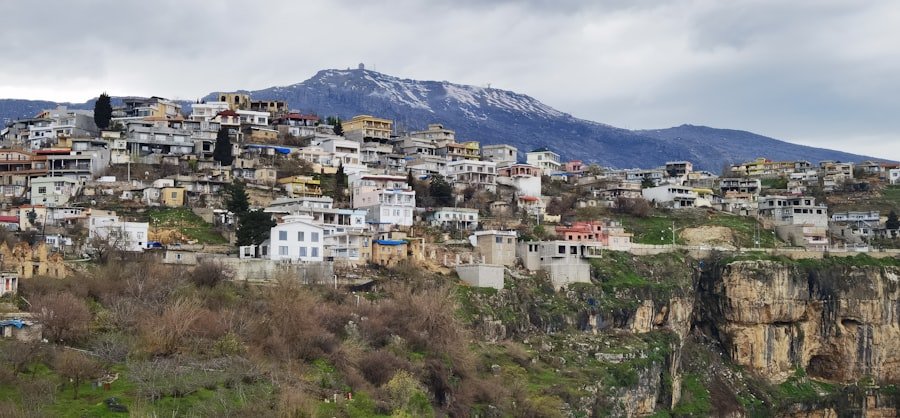
Emporio is another hidden gem that showcases a different side of Santorini. This village is known for its well-preserved medieval architecture and labyrinthine streets that evoke a sense of mystery and adventure. Unlike other villages on the island, Emporio is less frequented by tourists, allowing visitors to experience a more tranquil atmosphere.
The village is surrounded by ancient walls that once served as protection against pirate attacks, adding to its historical significance. One of the highlights of Emporio is its charming windmills, which stand as a testament to the island’s agricultural past. These iconic structures are not only picturesque but also serve as a reminder of the traditional ways of life that have shaped Santorini’s culture.
As you wander through the narrow alleys, you will encounter local artisans and craftsmen who continue to practice their trades, preserving age-old techniques. The village also boasts several quaint tavernas where you can savor authentic Greek cuisine made from locally sourced ingredients. Dining al fresco while enjoying views of the surrounding vineyards creates an unforgettable experience that captures the essence of Santorini’s culinary heritage.
Discovering the Authenticity of Akrotiri
Akrotiri is perhaps best known for its archaeological site, which reveals remnants of a Minoan settlement buried under volcanic ash during the catastrophic eruption in 1627 BThis ancient city offers a fascinating glimpse into the lives of its inhabitants, showcasing advanced urban planning and impressive frescoes that depict daily life and rituals. The site has been meticulously excavated and preserved, allowing visitors to walk through ancient streets and marvel at well-preserved structures. Beyond its archaeological significance, Akrotiri is also home to stunning natural beauty.
The village itself features traditional Cycladic architecture with whitewashed buildings and narrow streets that lead to breathtaking views of the caldera. The nearby Red Beach, famous for its striking red cliffs and crystal-clear waters, provides an idyllic setting for relaxation and swimming. Visitors can enjoy fresh seafood at local tavernas while taking in views of the Aegean Sea.
Akrotiri embodies a harmonious blend of history and natural beauty, making it a must-visit destination for those seeking an authentic Santorini experience.
Escaping the Tourist Crowds in Megalochori
| Village | Best Time to Visit | Key Attractions | Tips to Avoid Crowds | Transportation Options |
|---|---|---|---|---|
| Oia | Early Morning (6-8 AM) or Late Evening (8-10 PM) | Sunset views, Blue-domed churches, Art galleries | Visit during off-peak hours, avoid weekends | Bus, Rental Scooter, Walking |
| Emporio | Mid-morning (9-11 AM) | Medieval castle, Traditional village streets | Explore side streets, visit weekdays | Bus, Rental Car |
| Megalochori | Afternoon (2-4 PM) | Wine tasting, Traditional tavernas, Quiet squares | Book wine tours in advance, avoid peak lunch hours | Bus, Taxi, Rental Car |
| Pyrgos | Late Morning (10 AM – 12 PM) | Castle ruins, Panoramic views, Local cafes | Visit weekdays, explore less popular paths | Bus, Rental Scooter |
| Akrotiri | Early Morning (7-9 AM) | Archaeological site, Red Beach | Arrive early to avoid tour groups | Bus, Rental Car |
Megalochori is a village that offers a peaceful retreat from the hustle and bustle of more touristy areas. Known for its traditional architecture and laid-back atmosphere, Megalochori invites visitors to slow down and savor the simple pleasures of life on Santorini. The village is characterized by its charming square lined with cafes and tavernas where locals gather to socialize and enjoy leisurely meals.
One of Megalochori’s most notable features is its wine production. The village is surrounded by vineyards that produce some of Santorini’s finest wines, including the renowned Assyrtiko variety. Wine enthusiasts can visit local wineries for tastings and tours, learning about the unique viticulture practices that thrive in the island’s volcanic soil.
The village also hosts various cultural events throughout the year, allowing visitors to engage with local traditions and customs. Whether it’s enjoying a glass of wine under the stars or exploring the picturesque streets adorned with colorful flowers, Megalochori offers an authentic slice of Santorini life.
Embracing the Tranquility of Finikia
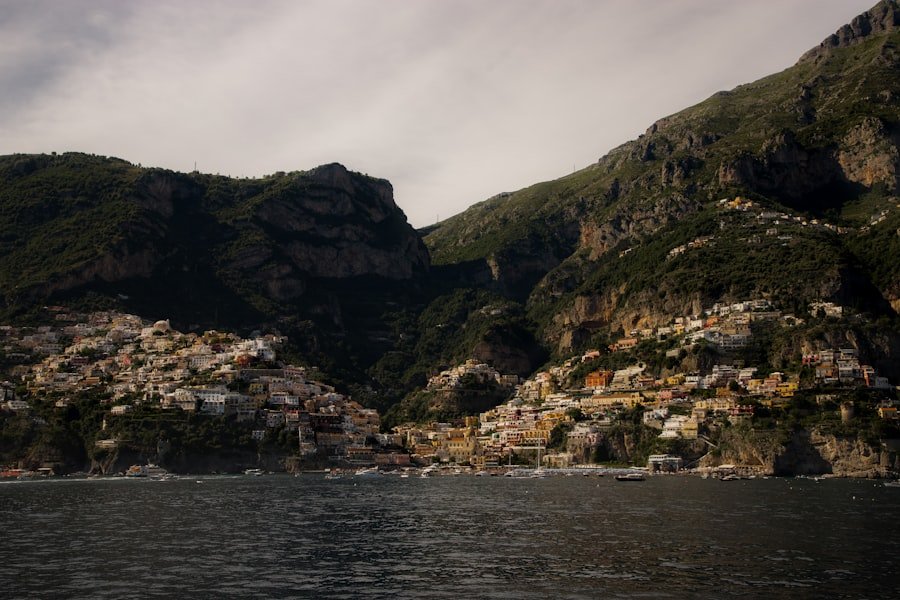
Finikia is a quaint village located just a short distance from Oia yet remains largely untouched by mass tourism. This hidden gem is known for its traditional cave houses and vibrant gardens that create a serene atmosphere perfect for relaxation. The village’s narrow streets are lined with charming homes painted in soft pastel colors, providing an idyllic backdrop for leisurely walks.
The heart of Finikia lies in its strong sense of community and local culture. Visitors can witness traditional practices such as bread-making in communal ovens or participate in local festivals that celebrate age-old customs. The village is also home to several family-run tavernas where you can indulge in authentic Greek dishes made from fresh ingredients sourced from nearby farms.
Dining in Finikia allows you to experience not only delicious food but also warm hospitality that reflects the island’s welcoming spirit.
Experiencing the Local Culture in Vothonas
Vothonas is a hidden village that offers an authentic glimpse into Santorini’s cultural heritage. Nestled in a valley surrounded by cliffs, Vothonas is characterized by its unique cave houses carved into volcanic rock. This architectural style reflects the island’s history and adaptation to its environment, providing insight into how locals have lived for centuries.
The village is home to several churches adorned with beautiful frescoes that showcase religious art from different periods. Visitors can explore these sacred spaces while learning about their significance in local traditions. Vothonas also hosts various cultural events throughout the year, including music festivals and art exhibitions that celebrate local talent.
Engaging with residents during these events provides an opportunity to connect with Santorini’s rich cultural tapestry. In addition to its cultural offerings, Vothonas boasts stunning landscapes that invite exploration. The surrounding hills are dotted with hiking trails that lead to breathtaking viewpoints overlooking the caldera and beyond.
Whether you’re wandering through ancient streets or enjoying local festivities, Vothonas encapsulates the essence of Santorini’s hidden treasures.
Embracing the Hidden Gems of Santorini
Santorini’s hidden villages offer an enchanting escape from the well-trodden paths frequented by tourists. Each village presents a unique narrative woven into the fabric of the island’s history and culture. From Pyrgos’ medieval charm to Akrotiri’s archaeological wonders, these lesser-known locales invite travelers to immerse themselves in authentic experiences that reflect the true spirit of Santorini.
Exploring these hidden gems allows visitors to connect with locals, savor traditional cuisine, and appreciate breathtaking landscapes away from crowded tourist attractions. As you wander through narrow streets adorned with vibrant flowers or enjoy a glass of wine under starlit skies, you will discover that Santorini’s true beauty lies not only in its iconic views but also in its rich tapestry of hidden treasures waiting to be explored.
FAQs
What is the best time of year to visit Santorini to avoid crowds?
The best time to visit Santorini to avoid crowds is during the shoulder seasons, typically in April to early June and September to October. During these months, the weather is pleasant, and there are fewer tourists compared to the peak summer months.
Which villages in Santorini are less crowded but still worth visiting?
Villages such as Pyrgos, Megalochori, Emporio, and Akrotiri are generally less crowded than the popular towns of Oia and Fira. These villages offer authentic local experiences, traditional architecture, and beautiful views without the heavy tourist traffic.
How can I get around Santorini to visit multiple villages?
Santorini can be explored by renting a car, scooter, or ATV, which provides flexibility to visit various villages at your own pace. Public buses also connect major villages, but schedules may be limited. Guided tours are another option for convenient transportation.
Are there specific times of day that are better for visiting Santorini’s villages to avoid crowds?
Visiting villages early in the morning or later in the afternoon can help avoid peak crowds. Early mornings offer a peaceful atmosphere and cooler temperatures, while late afternoons provide beautiful lighting for photography and fewer tourists.
Can I find accommodations in less crowded villages on Santorini?
Yes, many less crowded villages like Pyrgos and Megalochori offer charming accommodations ranging from boutique hotels to traditional guesthouses. Staying in these villages can provide a more tranquil experience away from the busy tourist centers.
What activities can I do in Santorini’s quieter villages?
In quieter villages, visitors can enjoy walking tours through narrow streets, visiting local churches and wineries, sampling traditional cuisine at family-run tavernas, and exploring nearby archaeological sites or beaches.
Is it necessary to book tours or accommodations in advance to avoid crowds?
During the high season (July and August), it is advisable to book accommodations and popular tours well in advance. In the shoulder seasons, there is generally more availability, but early booking can still ensure better options and prices.
Are there any local customs or etiquette to be aware of when visiting Santorini’s villages?
Visitors should respect local customs such as dressing modestly when entering churches, speaking softly in residential areas, and supporting local businesses. Being courteous and mindful helps maintain the charm and authenticity of the villages.