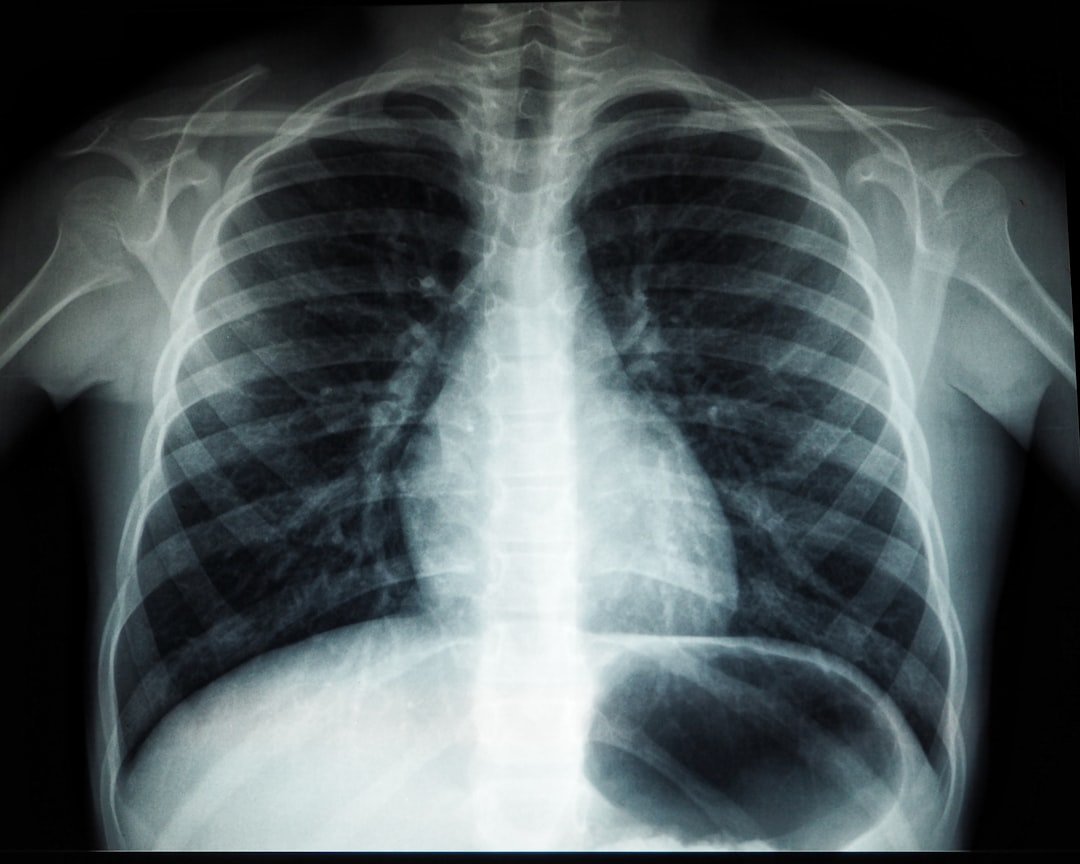
Smoking causes significant damage to lung health through multiple mechanisms. Cigarette smoke contains more than 7,000 chemicals, of which hundreds are toxic and many are carcinogenic. Tar deposits in the lungs contribute to the development of chronic obstructive pulmonary disease (COPD), emphysema, and chronic bronchitis.
The inhalation of these substances triggers inflammation and tissue damage in the lungs, reducing their functional capacity. Progressive lung damage leads to decreased lung capacity and respiratory function, which can severely limit physical activities such as walking or climbing stairs. Smoking is a primary risk factor for lung cancer, one of the most fatal cancers globally.
Carcinogenic compounds in tobacco smoke can cause genetic mutations in lung cells, resulting in abnormal cell proliferation and tumor development. The likelihood of developing lung cancer correlates directly with smoking duration and frequency. Research demonstrates that individuals who smoke one pack daily for several years face substantially elevated lung cancer risk compared to non-smokers.
Secondhand smoke exposure also presents a serious health hazard, increasing respiratory disease risk and lung cancer incidence in non-smokers exposed to smoke from others.
Implementing Behavioral Therapy and Counseling
Behavioral therapy plays a crucial role in smoking cessation by addressing the psychological aspects of addiction. Cognitive-behavioral therapy (CBT) is particularly effective, as it helps individuals identify triggers that lead to smoking and develop coping strategies to manage cravings. Through structured sessions with a trained therapist, individuals can explore their motivations for smoking and the emotional connections they have with the habit.
This introspective approach allows for the development of personalized strategies that can replace smoking with healthier behaviors, ultimately fostering a more sustainable path to quitting. Counseling can also provide essential support during the cessation process. Group therapy sessions create a sense of community among participants who share similar struggles, allowing for the exchange of experiences and encouragement.
These sessions often include discussions about challenges faced during the quitting process and strategies for overcoming them. Additionally, motivational interviewing techniques can be employed to enhance an individual’s commitment to quitting by exploring their ambivalence towards smoking and reinforcing their reasons for wanting to quit. This supportive environment can significantly increase the likelihood of successful cessation.
Exploring Medication Options for Smoking Cessation
In addition to behavioral therapies, various medications are available that can aid in smoking cessation. Nicotine replacement therapy (NRT) is one of the most common approaches, providing smokers with controlled doses of nicotine through patches, gum, lozenges, inhalers, or nasal sprays. By alleviating withdrawal symptoms and cravings, NRT helps individuals gradually reduce their dependence on nicotine while minimizing the discomfort associated with quitting.
Research has shown that NRT can double the chances of successfully quitting compared to placebo treatments. Beyond NRT, prescription medications such as bupropion and varenicline have been developed specifically for smoking cessation. Bupropion, an atypical antidepressant, works by affecting neurotransmitters in the brain that are involved in addiction and mood regulation.
It not only reduces cravings but also helps alleviate withdrawal symptoms. Varenicline, on the other hand, acts on nicotine receptors in the brain, partially stimulating them while simultaneously blocking nicotine from attaching to these receptors. This dual action helps reduce cravings and withdrawal symptoms while also diminishing the pleasurable effects of smoking if a person relapses.
Both medications have been shown to be effective in increasing quit rates when combined with behavioral support.
Embracing Alternative Therapies and Complementary Medicine
As individuals seek diverse methods for quitting smoking, alternative therapies and complementary medicine have gained popularity. Acupuncture is one such method that has been explored for its potential benefits in reducing cravings and withdrawal symptoms. By targeting specific points on the body, acupuncture aims to restore balance and promote relaxation, which may help alleviate some of the stress associated with quitting.
While research on its efficacy is still ongoing, some studies suggest that acupuncture may provide a supportive role in smoking cessation efforts. Another alternative approach is the use of herbal supplements and homeopathic remedies. Certain herbs like lobelia have been traditionally used to help reduce nicotine cravings due to their chemical similarities to nicotine itself.
However, it is essential for individuals to consult healthcare professionals before starting any herbal regimen, as interactions with other medications or underlying health conditions may occur. Additionally, mindfulness practices such as yoga and meditation can be beneficial in managing stress and anxiety during the quitting process. These practices encourage self-awareness and emotional regulation, which can be instrumental in overcoming the psychological hurdles associated with smoking cessation.
Engaging in Regular Physical Activity and Exercise
| Strategy | Description | Expected Improvement in Lung Function | Time Frame | Supporting Metrics |
|---|---|---|---|---|
| Smoking Reduction | Gradually reduce the number of cigarettes smoked daily to minimize lung damage. | 5-15% increase in FEV1 (Forced Expiratory Volume in 1 second) | 3-6 months | Decrease in carbon monoxide levels; improved oxygen saturation |
| Regular Aerobic Exercise | Engage in moderate aerobic activities like walking or cycling to enhance lung capacity. | 10-20% improvement in VO2 max and lung capacity | 6-12 weeks | Increased tidal volume; improved respiratory muscle strength |
| Breathing Exercises | Practice diaphragmatic and pursed-lip breathing to improve ventilation efficiency. | 5-10% increase in lung volume and reduced breathlessness | 4-8 weeks | Reduced respiratory rate; improved oxygen exchange |
| Nutrition Optimization | Adopt a diet rich in antioxidants and anti-inflammatory foods to support lung repair. | Indirect improvement through reduced inflammation and oxidative stress | 3-6 months | Lower systemic inflammation markers (CRP, IL-6) |
| Smoking Cessation Support | Use counseling, nicotine replacement therapy, or medications to quit smoking entirely. | Up to 30% improvement in lung function over 1 year | 6-12 months | Normalized ciliary function; reduced mucus production |
Incorporating regular physical activity into a daily routine can significantly enhance the process of quitting smoking. Exercise not only improves overall physical health but also serves as a powerful tool for managing cravings and withdrawal symptoms. Engaging in aerobic activities such as running, swimming, or cycling increases endorphin levels in the brain, which can elevate mood and reduce stress—common triggers for smoking relapse.
Furthermore, exercise can help mitigate weight gain that often accompanies quitting by boosting metabolism and promoting healthy weight management. Additionally, physical activity can improve lung function over time, which is particularly beneficial for former smokers who may experience diminished respiratory capacity due to years of smoking. Activities like walking or yoga can enhance lung capacity and efficiency by promoting better oxygen exchange and strengthening respiratory muscles.
Establishing a consistent exercise routine not only aids in physical recovery but also fosters a sense of accomplishment and well-being that can reinforce an individual’s commitment to remaining smoke-free.
Adopting a Nutrient-Rich Diet to Support Lung Function
A nutrient-rich diet plays a vital role in supporting lung health during the smoking cessation journey. Foods rich in antioxidants—such as fruits and vegetables—can help combat oxidative stress caused by smoking-related toxins. Vitamins C and E are particularly important; they help protect lung tissues from damage while also supporting immune function.
Citrus fruits like oranges and grapefruits are excellent sources of vitamin C, while nuts and seeds provide ample vitamin E. Moreover, omega-3 fatty acids found in fatty fish like salmon or walnuts have anti-inflammatory properties that can benefit lung health by reducing inflammation in airways. Incorporating whole grains into one’s diet can also be advantageous; they provide essential nutrients that support overall health while promoting better lung function.
Staying hydrated is equally important; adequate water intake helps maintain mucosal membranes in the lungs, facilitating better respiratory function. By focusing on a balanced diet rich in these nutrients, individuals can bolster their lung health as they work towards quitting smoking.
Creating a Supportive Environment for Smoking Cessation
A supportive environment is crucial for individuals attempting to quit smoking. This support can come from family members, friends, or even coworkers who understand the challenges associated with cessation. Open communication about one’s goals can foster an atmosphere of encouragement where loved ones actively participate in creating smoke-free spaces at home or social gatherings.
This proactive approach not only reduces temptation but also reinforces an individual’s commitment to quitting. In addition to personal support systems, community resources such as local support groups or online forums can provide valuable assistance during the cessation process. These platforms allow individuals to share their experiences, seek advice from others who have successfully quit, and access resources such as quitlines or counseling services.
Engaging with others who are on similar journeys can instill a sense of accountability and motivation that is often essential for long-term success.
Monitoring Lung Health and Seeking Regular Medical Care
Regular monitoring of lung health is vital for individuals who have quit smoking or are in the process of doing so. Routine check-ups with healthcare providers allow for early detection of any potential complications related to previous smoking habits. Pulmonary function tests can assess lung capacity and efficiency, providing valuable insights into recovery progress over time.
These assessments not only help track improvements but also serve as motivation for individuals committed to maintaining their smoke-free status. Additionally, healthcare providers can offer tailored advice on managing any lingering respiratory issues or concerns that may arise post-cessation. They may recommend vaccinations such as the flu shot or pneumococcal vaccine to protect against respiratory infections that could further compromise lung health.
Engaging in regular medical care ensures that individuals remain informed about their lung health status while receiving ongoing support as they navigate life after smoking.
FAQs
What are gradual strategies for improving lung function in smokers?
Gradual strategies for improving lung function in smokers involve step-by-step lifestyle changes and medical interventions aimed at reducing lung damage, enhancing respiratory capacity, and promoting overall lung health. These strategies often include smoking cessation, regular exercise, breathing exercises, and proper medical care.
Why is it important for smokers to improve lung function gradually?
Improving lung function gradually is important because sudden changes can be challenging to maintain and may cause stress on the body. A gradual approach allows the lungs and respiratory system to adapt over time, reducing the risk of complications and increasing the likelihood of long-term success in lung health improvement.
What role does smoking cessation play in improving lung function?
Smoking cessation is the most critical step in improving lung function for smokers. Quitting smoking stops further damage to the lungs, allows the lungs to begin healing, and reduces the risk of chronic respiratory diseases such as COPD and lung cancer.
Can exercise help improve lung function in smokers?
Yes, regular aerobic exercise can help improve lung function by increasing lung capacity, strengthening respiratory muscles, and enhancing overall cardiovascular health. Exercise also helps improve oxygen uptake and can reduce symptoms like shortness of breath.
Are breathing exercises effective for smokers looking to improve lung function?
Breathing exercises, such as diaphragmatic breathing and pursed-lip breathing, can be effective in improving lung function. They help increase lung efficiency, reduce breathlessness, and improve oxygen exchange, which is beneficial for smokers recovering lung health.
How long does it take to see improvements in lung function after quitting smoking?
Improvements in lung function can begin within weeks to months after quitting smoking. Some lung function parameters may improve significantly within the first year, but full recovery depends on the extent of prior lung damage and individual health factors.
Are there medical treatments that can assist in improving lung function for smokers?
Yes, medical treatments such as bronchodilators, corticosteroids, and pulmonary rehabilitation programs can assist in improving lung function, especially for smokers with chronic lung conditions. Consulting a healthcare provider is essential for personalized treatment.
Is it ever too late for smokers to improve their lung function?
It is never too late to improve lung function. While some damage may be irreversible, quitting smoking and adopting healthy habits can significantly slow disease progression, improve quality of life, and enhance lung function at any stage.
What lifestyle changes besides quitting smoking can help improve lung function?
Besides quitting smoking, lifestyle changes that help improve lung function include maintaining a healthy diet, avoiding exposure to pollutants and respiratory irritants, staying hydrated, managing stress, and getting regular vaccinations to prevent respiratory infections.
How can smokers monitor their lung function during the improvement process?
Smokers can monitor lung function through regular medical check-ups, spirometry tests, and by tracking symptoms such as breathlessness and coughing. Keeping a health diary and consulting healthcare professionals can help assess progress and adjust strategies as needed.