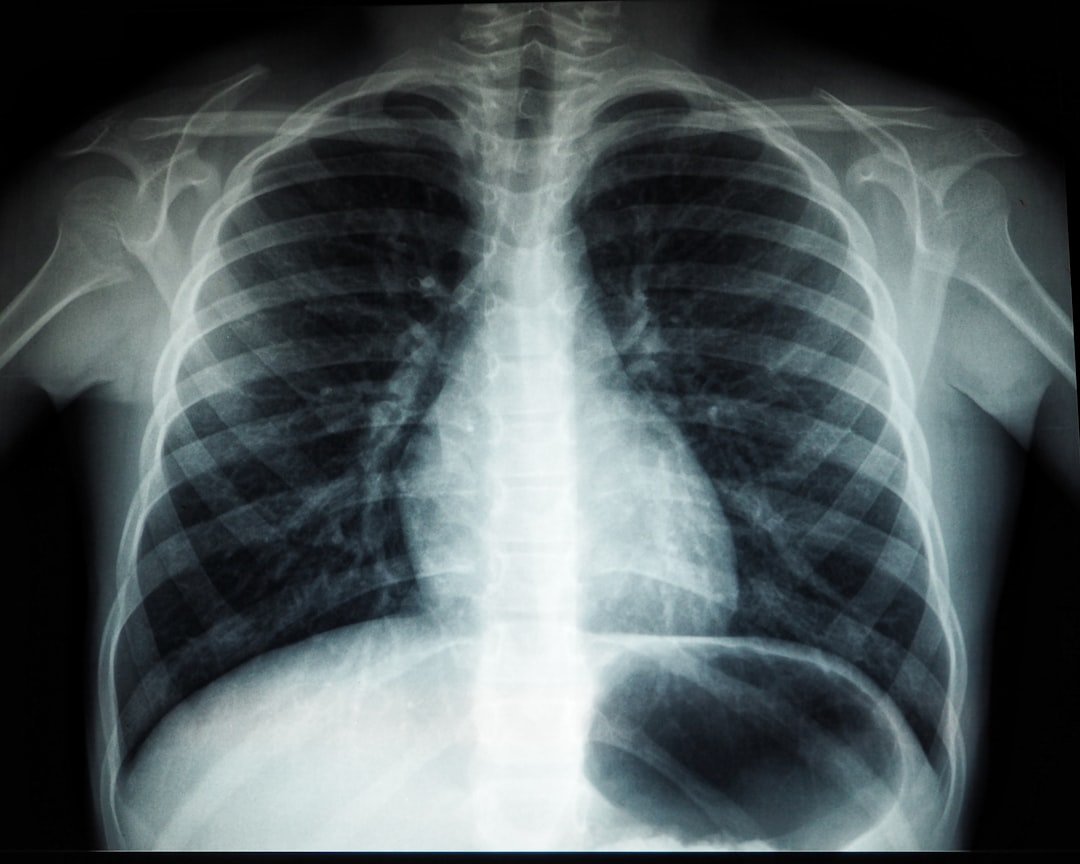
Hydration plays a crucial role in maintaining overall health and preventing kidney stones. The kidneys filter waste products from the blood and excrete them through urine. When the body is adequately hydrated, urine production increases, which dilutes the concentration of minerals and salts that can crystallize and form stones.
Insufficient fluid intake leads to concentrated urine, creating conditions favorable for stone formation. Research demonstrates that individuals who drink more water have a significantly lower risk of developing kidney stones compared to those with lower fluid intake. Additionally, hydration supports proper kidney function by promoting efficient waste elimination.
When the body is well-hydrated, it helps flush out toxins and prevents the accumulation of substances like calcium, oxalate, and uric acid, which commonly contribute to kidney stone formation. The National Kidney Foundation identifies maintaining adequate fluid intake as one of the most effective strategies for preventing kidney stones. By keeping urine dilute, individuals can substantially reduce their risk of experiencing kidney stones.
How Much Water Should You Drink?
Determining the optimal amount of water to drink can vary based on several factors, including age, sex, activity level, and climate. A common recommendation is to aim for at least eight 8-ounce glasses of water per day, often referred to as the “8×8 rule.” However, this guideline may not be sufficient for everyone, especially those who are physically active or live in hot climates where fluid loss through sweat is increased. The Institute of Medicine suggests that men should aim for about 3.7 liters (or 13 cups) of total beverages per day, while women should target around 2.7 liters (or 9 cups).
For individuals prone to kidney stones or those with a history of stone formation, a higher intake may be necessary. Some healthcare professionals recommend drinking enough water to produce at least 2.5 liters (about 10 cups) of urine daily. This can be monitored by checking the color of urine; pale yellow indicates proper hydration, while darker shades suggest a need for increased fluid intake.
It is essential to listen to your body and adjust your water consumption based on thirst levels and physical activity.
Other Hydrating Options Besides Water
While water is the most straightforward and effective way to stay hydrated, there are numerous other beverages and foods that can contribute to overall fluid intake. Herbal teas, for instance, are a great alternative as they are typically caffeine-free and can be enjoyed hot or cold. Infused waters, which combine water with fruits, vegetables, or herbs, not only enhance flavor but also provide additional nutrients without added sugars or calories.
Coconut water is another excellent hydrating option due to its natural electrolytes, making it a popular choice for replenishing fluids after exercise. Additionally, broths and soups can be beneficial as they contain high water content and can be particularly soothing during colder months. Fruits and vegetables with high water content—such as cucumbers, watermelon, oranges, and strawberries—also contribute significantly to hydration levels while providing essential vitamins and minerals.
Signs of Dehydration to Look Out For
Recognizing the signs of dehydration is crucial for maintaining optimal health and preventing complications such as kidney stones. Early symptoms can include dry mouth, fatigue, dizziness, and dark-colored urine. As dehydration progresses, individuals may experience increased thirst, headaches, and reduced urine output.
In severe cases, dehydration can lead to confusion, rapid heartbeat, and even fainting. Monitoring urine color is one of the simplest ways to assess hydration status. Ideally, urine should be light yellow; darker shades indicate that the body may be lacking sufficient fluids.
Additionally, paying attention to physical cues such as dry skin or persistent fatigue can help individuals identify when they need to increase their fluid intake. It is essential to address dehydration promptly by increasing water consumption and seeking medical attention if symptoms worsen.
Tips for Increasing Water Intake
| Hydration Strategy | Description | Recommended Volume | Effect on Kidney Stones | Notes |
|---|---|---|---|---|
| Water Intake | Consuming plain water throughout the day to maintain urine dilution | 2.5 to 3 liters/day | Reduces stone formation by diluting urine and decreasing supersaturation | Spread intake evenly; avoid dehydration |
| Citrus Juices (e.g., Lemon, Orange) | Drinking citrus juices to increase urinary citrate levels | 120-240 ml (4-8 oz) daily | Citrate inhibits stone formation by binding calcium | Prefer natural juices without added sugar |
| Low-Sodium Hydration | Reducing sodium intake to prevent calcium excretion | Less than 2,300 mg sodium/day | Helps reduce calcium in urine, lowering stone risk | Monitor processed food consumption |
| Balanced Electrolyte Drinks | Using electrolyte solutions to maintain hydration and mineral balance | As needed, typically 500 ml/day | May help maintain urinary pH and prevent stone formation | Choose low-sugar options |
| Avoidance of Sugary Beverages | Limiting intake of sodas and sweetened drinks | Minimal or none | Reduces risk of stone formation linked to high sugar intake | Focus on water and natural juices |
Incorporating more water into your daily routine doesn’t have to be a daunting task. One effective strategy is to carry a reusable water bottle throughout the day. This not only serves as a constant reminder to drink but also makes it convenient to sip water regularly.
Setting specific goals—such as drinking a certain amount by midday—can also help individuals stay on track with their hydration efforts. Another practical approach is to establish a routine around water consumption. For example, drinking a glass of water before each meal or snack can significantly increase overall intake without feeling overwhelming.
Additionally, using apps or reminders on smartphones can provide gentle nudges throughout the day to encourage regular hydration breaks. Flavoring water with slices of lemon or cucumber can make drinking more enjoyable and encourage higher consumption.
Foods and Beverages to Avoid for Kidney Stone Prevention
While hydration is crucial for preventing kidney stones, certain foods and beverages can exacerbate the risk of stone formation and should be consumed with caution. High-oxalate foods such as spinach, rhubarb, beets, and nuts can contribute to the development of calcium oxalate stones when consumed in excess. Individuals with a history of kidney stones may benefit from moderating their intake of these foods while ensuring they maintain adequate hydration.
Additionally, excessive consumption of animal protein—particularly red meat—can increase uric acid levels in the body, leading to uric acid stones. Sugary beverages, especially those high in fructose corn syrup like sodas and sweetened juices, can also elevate the risk of stone formation by promoting dehydration and increasing calcium excretion in urine. It is advisable for individuals at risk of kidney stones to limit these foods and beverages while focusing on a balanced diet rich in fruits, vegetables, whole grains, and lean proteins.
Hydration Tips for Different Age Groups
Hydration needs can vary significantly across different age groups due to varying levels of activity and physiological changes. For children and adolescents, encouraging regular fluid intake during physical activities is essential for maintaining hydration levels. Parents should promote drinking water over sugary drinks and ensure that children have access to fluids throughout the day.
In older adults, hydration becomes increasingly important due to changes in thirst perception and kidney function. Many seniors may not feel thirsty even when their bodies require fluids; therefore, caregivers should encourage regular drinking habits and monitor fluid intake closely. Additionally, older adults may benefit from consuming hydrating foods such as soups or smoothies that provide both nutrition and fluids.
Incorporating Hydration into Your Daily Routine
Integrating hydration into daily life can be achieved through simple yet effective strategies that promote consistent fluid intake. One approach is to create a hydration schedule that aligns with daily activities—such as drinking a glass of water upon waking up or before going to bed. This not only establishes a routine but also helps individuals become more mindful of their hydration habits.
Another effective method is to pair water consumption with existing habits; for instance, drinking a glass of water while waiting for coffee to brew or during television commercials can seamlessly increase fluid intake without requiring significant changes to one’s lifestyle. Additionally, utilizing technology—such as hydration tracking apps—can provide insights into daily consumption patterns and motivate individuals to meet their hydration goals. By understanding the importance of hydration in preventing kidney stones and implementing practical strategies for increasing fluid intake across various age groups and lifestyles, individuals can take proactive steps toward maintaining their health and well-being.
FAQs
Why is hydration important for people with kidney stones?
Proper hydration helps dilute the substances in urine that lead to kidney stone formation, reducing the risk of new stones developing and aiding in the passage of existing stones.
How much water should someone with kidney stones drink daily?
It is generally recommended to drink enough fluids to produce at least 2 to 2.5 liters of urine per day, which often translates to about 3 liters (approximately 13 cups) of water daily, but individual needs may vary.
Are there specific types of fluids that are better for preventing kidney stones?
Water is the best choice for hydration. Some studies suggest that citrus beverages like lemonade or orange juice may help prevent stones due to their citrate content, but sugary drinks and sodas should be avoided.
Can dehydration cause kidney stones to worsen?
Yes, dehydration concentrates urine, increasing the risk of stone formation and potentially worsening existing stones.
Should people with kidney stones avoid certain beverages?
Yes, beverages high in sugar, caffeine, or oxalates, such as soda, coffee, and certain teas, may contribute to stone formation and should be consumed in moderation or avoided.
Is it necessary to adjust hydration strategies based on the type of kidney stone?
Yes, different types of stones (calcium oxalate, uric acid, cystine, etc.) may require tailored hydration and dietary strategies, so consulting a healthcare provider is important.
Can drinking too much water be harmful for people with kidney stones?
While rare, excessive water intake can lead to water intoxication and electrolyte imbalances. It is important to follow medical advice on appropriate fluid intake.
When should someone with kidney stones seek medical advice about hydration?
If experiencing severe pain, difficulty urinating, blood in urine, or signs of infection, or if unsure about hydration needs, it is important to consult a healthcare professional.