# The Role of Social Media Engagement in Modern Business and Personal Branding
Social media has evolved from a simple communication platform into a significant business tool for organizations and individuals. Engagement on these platforms extends beyond accumulating likes and followers; it involves building relationships and establishing communities around brands or personal identities. When users interact with content through comments, shares, and reactions, they participate in conversations that strengthen brand loyalty and consumer trust.
This interaction provides businesses with valuable data about audience preferences, enabling them to create more targeted content that appeals to their followers. Social media engagement also directly impacts content visibility and reach. Platform algorithms on Facebook, Instagram, and Twitter are designed to prioritize content that receives high levels of interaction.
Posts with greater engagement rates receive wider distribution, appearing in the feeds of users who do not follow the account, thereby increasing organic reach. For example, a post with numerous comments and shares can reach a significantly larger audience through algorithmic promotion. This mechanism demonstrates the importance of producing quality content while actively encouraging audience participation to increase visibility and develop an engaged online community.
Setting Realistic Goals and Expectations
Establishing clear and achievable goals is fundamental to any social media strategy. These goals should be specific, measurable, attainable, relevant, and time-bound (SMART). For example, a small business might set a goal to increase its Instagram followers by 20% over the next three months.
This goal is specific (increase followers), measurable (by 20%), attainable (based on past growth rates), relevant (to overall marketing objectives), and time-bound (within three months). By setting such goals, businesses can create focused strategies that align with their overall objectives while also providing benchmarks for success. However, it is equally important to manage expectations regarding the timeline for achieving these goals.
Social media growth is often not linear; it can fluctuate based on various factors such as market trends, seasonal changes, or even algorithm updates. For instance, a brand may experience rapid growth during a promotional campaign but see a plateau afterward. Understanding that social media success is a marathon rather than a sprint allows brands to remain patient and persistent in their efforts.
Regularly reviewing and adjusting these goals based on performance metrics can help maintain motivation and ensure that strategies remain aligned with evolving business objectives.
Creating a Consistent Posting Schedule
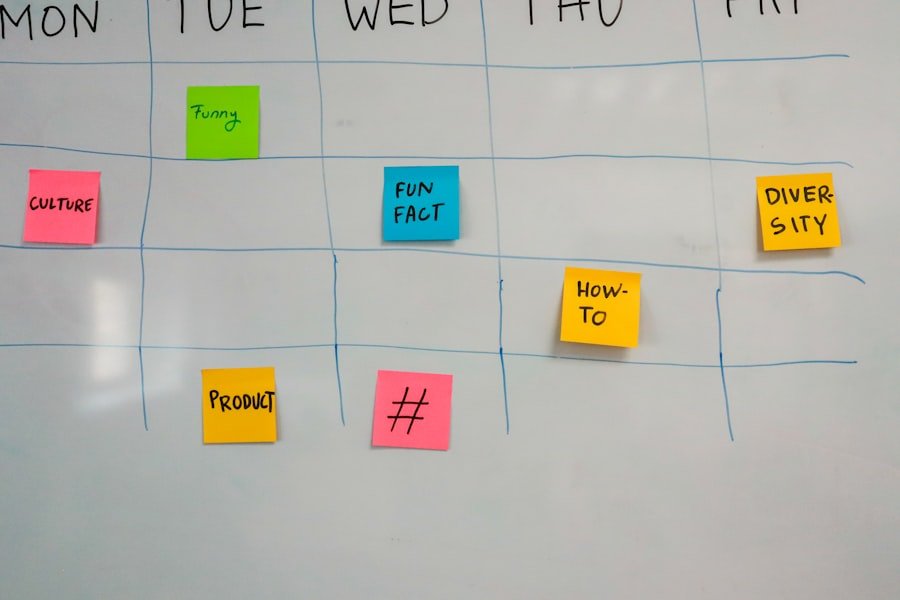
Consistency is key in the realm of social media. A well-planned posting schedule not only keeps your audience engaged but also establishes your brand as reliable and trustworthy. When followers know when to expect new content—be it daily, weekly, or bi-weekly—they are more likely to engage with it.
For example, a lifestyle brand might choose to post new content every Tuesday and Thursday at 10 AM, capitalizing on peak engagement times identified through analytics. This predictability helps build anticipation among followers and encourages them to return for more. In addition to frequency, the type of content shared should also be consistent with the brand’s voice and values.
A company that specializes in eco-friendly products might focus on sharing tips for sustainable living alongside product promotions. By maintaining a cohesive theme across posts, brands can reinforce their identity and create a stronger connection with their audience. Furthermore, utilizing a content calendar can aid in planning and organizing posts in advance, ensuring that content remains fresh and relevant while allowing for flexibility to adapt to current events or trends.
Utilizing Automation and Scheduling Tools
In an era where time is often at a premium, automation and scheduling tools have become invaluable assets for managing social media presence effectively. Platforms like Hootsuite, Buffer, and Sprout Social allow users to schedule posts in advance across multiple channels, ensuring that content is consistently shared without the need for constant manual input. This capability not only saves time but also enables brands to maintain an active presence even during off-hours or when team members are unavailable.
Moreover, automation tools can provide insights into optimal posting times based on audience engagement patterns. By analyzing when followers are most active, brands can strategically schedule posts to maximize visibility and interaction. For instance, if analytics reveal that a brand’s audience is most engaged on weekends, scheduling posts for Saturday mornings could lead to higher engagement rates.
However, while automation streamlines processes, it is essential to balance it with genuine interaction; automated responses should not replace authentic engagement with followers.
Engaging with Your Audience in Meaningful Ways
| Metric | Description | Recommended Value/Range | Impact on Energy Levels |
|---|---|---|---|
| Posting Frequency | Number of posts per day/week | 3-5 posts per week | Moderate frequency reduces burnout |
| Content Planning Time | Hours spent planning content weekly | 1-2 hours | Efficient planning saves energy |
| Batch Content Creation | Number of posts created in one session | 5-10 posts per batch | Batching reduces daily workload |
| Engagement Time | Minutes spent responding to comments/messages daily | 15-30 minutes | Limited engagement prevents fatigue |
| Automation Usage | Percentage of posts scheduled via tools | 70-90% | Automation conserves energy |
| Breaks Between Posts | Hours between scheduled posts | 4-6 hours | Spacing posts avoids overwhelm |
| Content Variety | Mix of content types (images, videos, text) | At least 3 types per week | Variety keeps creativity high |
Engagement goes beyond simply responding to comments or messages; it involves creating meaningful interactions that foster community and loyalty. One effective way to achieve this is by asking open-ended questions in posts or stories that encourage followers to share their thoughts and experiences. For example, a travel brand might post a stunning photo of a destination and ask followers about their favorite travel memories or tips for visiting that location.
This approach not only generates conversation but also provides valuable insights into the audience’s preferences. Additionally, hosting live Q&A sessions or interactive polls can further enhance engagement. These formats allow brands to connect with their audience in real-time, addressing questions or concerns while also showcasing their expertise.
For instance, a fitness brand could host a live workout session followed by a Q&A about health and wellness topics. Such initiatives not only provide value to followers but also humanize the brand, making it more relatable and approachable.
Analyzing Data and Adjusting Strategies
Data analysis is an integral part of any successful social media strategy. By regularly reviewing performance metrics such as engagement rates, reach, impressions, and follower growth, brands can gain insights into what works and what doesn’t. For example, if a particular type of post—such as video content—consistently outperforms static images in terms of engagement, it may be beneficial to pivot the content strategy towards more video production.
Furthermore, understanding audience demographics can help tailor content to better meet their interests and needs. If analytics reveal that a significant portion of a brand’s audience is composed of millennials interested in sustainability, creating content that aligns with those values can enhance engagement and loyalty. Regularly adjusting strategies based on data ensures that brands remain relevant in an ever-changing digital landscape while maximizing their impact.
Collaborating with Influencers and Other Brands
Influencer marketing has emerged as a powerful strategy for expanding reach and credibility on social media. Collaborating with influencers who align with your brand values can introduce your products or services to new audiences while leveraging the influencer’s established trust with their followers. For instance, a skincare brand might partner with beauty influencers who advocate for clean beauty products, thereby reaching an audience that values similar principles.
In addition to influencer partnerships, collaborating with other brands can also yield significant benefits. Joint campaigns or giveaways can attract followers from both brands while fostering a sense of community among audiences. For example, a fitness apparel brand might team up with a health food company for a joint promotion that encourages healthy living.
Such collaborations not only enhance visibility but also create opportunities for cross-promotion that can lead to increased engagement and follower growth.
Taking Breaks and Practicing Self-Care
While maintaining an active social media presence is important, it is equally crucial for individuals and brands to recognize the need for breaks and self-care. The pressure to constantly produce content can lead to burnout, negatively impacting creativity and overall well-being. Taking regular breaks allows for reflection and rejuvenation, ultimately leading to more authentic and engaging content when returning to social media.
Practicing self-care can take many forms—whether it’s stepping away from screens for a few days or engaging in activities that promote mental health and relaxation. For instance, creators might find inspiration through nature walks or hobbies outside of their usual routine. By prioritizing mental health and well-being, individuals can approach social media with renewed energy and perspective, fostering genuine connections with their audience rather than succumbing to the pressures of constant engagement.
FAQs
What is a social media schedule?
A social media schedule is a planned timetable that outlines when and what content will be posted on various social media platforms. It helps organize posts to maintain consistent engagement without last-minute stress.
Why is creating a social media schedule important?
Creating a social media schedule ensures consistent posting, helps manage time efficiently, reduces the risk of burnout, and allows for better content planning and audience engagement.
How can a social media schedule prevent energy drain?
By planning posts in advance, batching content creation, and setting realistic goals, a social media schedule minimizes last-minute work and decision fatigue, helping to conserve energy and maintain motivation.
What tools can help in creating a social media schedule?
Popular tools include scheduling platforms like Hootsuite, Buffer, Later, and Sprout Social, which allow users to plan, automate, and analyze social media posts across multiple accounts.
How often should I post on social media according to a schedule?
The ideal posting frequency varies by platform and audience but generally ranges from daily to a few times per week. Consistency is more important than quantity to avoid burnout.
Can a social media schedule be flexible?
Yes, a social media schedule should allow flexibility to accommodate trending topics, spontaneous content, or changes in strategy while maintaining overall consistency.
What are some tips for maintaining a social media schedule without feeling overwhelmed?
Tips include batching content creation, using automation tools, setting realistic goals, taking breaks, and regularly reviewing and adjusting the schedule to fit your energy levels and priorities.
Is it necessary to track the performance of scheduled posts?
Yes, tracking performance helps understand what content resonates with the audience, allowing for informed adjustments to the schedule and content strategy for better engagement.