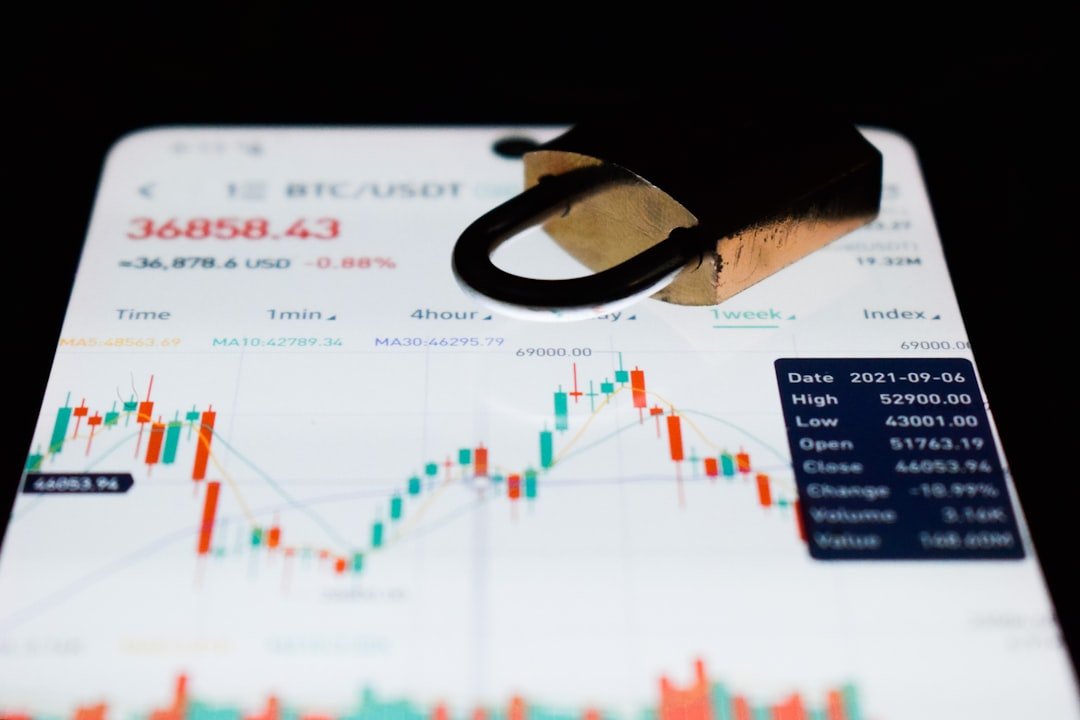
Index futures are financial contracts that require the buyer to purchase and the seller to deliver a specific index at an agreed-upon price on a designated future date. These instruments serve primarily as hedging tools, enabling investors to protect equity portfolios against potential market value declines. The underlying asset in index futures contracts is a stock market index, such as the S&P 500 or the NASDAQ-100.
By establishing a position in index futures, investors can counterbalance potential losses in their equity holdings, creating protection during periods of market volatility. Hedging with index futures requires taking a position that moves inversely to the investor’s existing equity exposure. For example, if an investor holds a diversified stock portfolio and expects a market downturn, they can sell index futures contracts.
This short position in futures gains value as the market declines, thereby offsetting losses in the equity portfolio. The success of this strategy depends on the correlation between the index and the portfolio; the index should ideally closely track the performance of the stocks held by the investor. Understanding this relationship is essential for implementing an effective hedging strategy.
Benefits of Index Futures Hedging for Equity Portfolios
One of the primary benefits of using index futures for hedging is the ability to achieve cost-effective protection. Unlike purchasing put options, which can be expensive, selling index futures typically requires less capital outlay. This is particularly advantageous for institutional investors managing large portfolios, as they can hedge significant amounts of equity exposure without incurring substantial transaction costs.
Furthermore, index futures are highly liquid instruments, allowing for quick entry and exit from positions, which is essential during periods of market turbulence. Another significant advantage is the speed at which index futures can be executed. In fast-moving markets, the ability to quickly hedge against potential losses is critical.
Index futures can be traded almost instantaneously on various exchanges, providing investors with the flexibility to react to market changes in real-time. This immediacy is particularly beneficial during earnings seasons or geopolitical events that may lead to sudden market shifts. By utilizing index futures, investors can maintain their equity positions while simultaneously protecting their portfolios from adverse movements.
Risks and Considerations of Index Futures Hedging
While index futures hedging offers numerous benefits, it is not without its risks and considerations. One of the primary risks is basis risk, which arises when there is a discrepancy between the performance of the index and the performance of the underlying equity portfolio. If the stocks in the portfolio do not move in tandem with the index, the hedge may not provide adequate protection.
For example, if an investor holds a portfolio heavily weighted in technology stocks and hedges using an index that includes a broader range of sectors, they may find that their hedge does not fully offset losses during a tech-specific downturn. Additionally, there is the risk of over-hedging or under-hedging. Over-hedging occurs when an investor sells more futures contracts than necessary to cover their equity exposure, potentially leading to losses if the market moves favorably.
Conversely, under-hedging can leave an investor exposed to significant losses if the market declines more than anticipated. Striking the right balance requires careful analysis and ongoing monitoring of both the portfolio and market conditions.
Implementing Index Futures Hedging Strategies
Implementing an effective index futures hedging strategy begins with a thorough assessment of the equity portfolio’s exposure to market risk. Investors must evaluate their current holdings and determine how much protection is necessary based on their risk tolerance and investment objectives. This assessment often involves calculating the beta of the portfolio relative to the chosen index, which provides insight into how much movement in the index will affect the portfolio’s value.
Once the appropriate level of exposure has been determined, investors can proceed to establish their futures positions. This typically involves selling a number of contracts that corresponds to the desired hedge ratio—essentially a measure of how much of the portfolio’s value needs to be hedged against potential declines. For instance, if an investor has a $1 million equity portfolio and wishes to hedge 50% of that exposure using S&P 500 futures contracts, they would need to calculate how many contracts to sell based on the current value of those contracts.
Monitoring and Adjusting Index Futures Hedging Positions
| Metric | Description | Example Value | Unit |
|---|---|---|---|
| Beta (β) | Measure of portfolio sensitivity to market movements | 1.2 | Dimensionless |
| Portfolio Value | Total market value of the equity portfolio | 10,000,000 | Currency Units |
| Futures Contract Size | Value of one index futures contract | 250,000 | Currency Units |
| Number of Futures Contracts to Hedge | Calculated contracts needed to hedge portfolio risk | 48 | Contracts |
| Hedge Ratio | Ratio of futures position to portfolio value adjusted by beta | 0.96 | Dimensionless |
| Tracking Error | Standard deviation of the difference between portfolio and hedge returns | 1.5 | Percentage Points |
| Cost of Hedging | Transaction and opportunity costs associated with hedging | 0.2 | Percentage Points |
The dynamic nature of financial markets necessitates continuous monitoring and adjustment of hedging positions. As market conditions change—whether due to economic data releases, corporate earnings reports, or geopolitical events—investors must reassess their hedges to ensure they remain effective. This may involve adjusting the number of contracts held or even closing out positions entirely if market conditions shift favorably.
Moreover, changes in portfolio composition can also impact hedging strategies. If an investor adds new stocks or reallocates existing holdings, they must evaluate how these changes affect their overall exposure and adjust their futures positions accordingly. Regularly reviewing both the performance of the equity portfolio and the effectiveness of the hedge is essential for maintaining an optimal risk management strategy.
Alternative Hedging Strategies for Equity Portfolios

While index futures are a popular choice for hedging equity portfolios, several alternative strategies exist that investors may consider. One such alternative is using options, specifically put options on individual stocks or exchange-traded funds (ETFs) that track broader indices. Put options provide investors with the right—but not the obligation—to sell shares at a predetermined price within a specified timeframe.
This flexibility can be advantageous for investors who want to limit downside risk while retaining upside potential. Another alternative is employing inverse exchange-traded funds (ETFs), which are designed to move inversely to their underlying indices. These funds can provide an easy way for investors to gain short exposure without directly engaging in futures contracts.
However, it’s important to note that inverse ETFs are typically designed for short-term trading and may not be suitable for long-term hedging due to compounding effects that can erode returns over time.
Evaluating the Effectiveness of Index Futures Hedging
To assess the effectiveness of an index futures hedging strategy, investors should establish clear metrics for evaluation. One common approach is to analyze the correlation between changes in the value of the equity portfolio and changes in the value of the futures position over time. A successful hedge should demonstrate a negative correlation; as losses occur in the equity portfolio during market downturns, gains should materialize in the futures position.
Additionally, investors can evaluate performance by comparing overall portfolio returns with and without hedging over various time frames. This analysis can provide insights into whether hedging has effectively mitigated losses during periods of market stress or if it has inadvertently led to missed opportunities during bullish phases. By conducting thorough performance evaluations, investors can refine their hedging strategies and make informed decisions about future risk management approaches.
Best Practices for Incorporating Index Futures Hedging into Equity Portfolio Management
Incorporating index futures hedging into equity portfolio management requires a disciplined approach grounded in best practices. First and foremost, investors should establish clear objectives for their hedging strategy—whether it’s protecting against short-term volatility or managing long-term risks associated with economic downturns. Having well-defined goals will guide decision-making processes and help maintain focus amid market fluctuations.
Furthermore, maintaining a robust risk management framework is essential for successful hedging with index futures. This includes regularly reviewing and adjusting positions based on changing market conditions and portfolio dynamics. Investors should also consider diversifying their hedging strategies by combining index futures with other instruments such as options or inverse ETFs to create a more comprehensive risk management approach.
Lastly, education and continuous learning play critical roles in effective hedging practices. Investors should stay informed about market trends, economic indicators, and developments within their specific sectors to make informed decisions regarding their hedging strategies. Engaging with financial advisors or utilizing advanced analytical tools can also enhance understanding and execution of index futures hedging techniques, ultimately leading to more effective portfolio management outcomes.
FAQs
What is hedging in the context of equity portfolios?
Hedging in equity portfolios involves using financial instruments or strategies to reduce the risk of adverse price movements in the portfolio. It aims to protect the portfolio’s value against market volatility.
How do index futures help in hedging equity portfolios?
Index futures are contracts to buy or sell a stock market index at a predetermined price on a future date. By taking an opposite position in index futures relative to the equity portfolio, investors can offset potential losses in the portfolio due to market declines.
What are the advantages of using index futures for hedging?
Index futures offer liquidity, cost-effectiveness, and ease of execution. They allow investors to quickly adjust their market exposure without having to buy or sell individual stocks, making them efficient tools for portfolio risk management.
Are there any risks associated with hedging equity portfolios using index futures?
Yes, risks include basis risk (the difference between the portfolio and the index futures performance), potential margin calls, and the possibility of imperfect hedges if the portfolio’s composition differs significantly from the index.
How is the hedge ratio determined when using index futures?
The hedge ratio is typically calculated based on the value of the equity portfolio relative to the value of the index futures contract, adjusted for the correlation and volatility between the portfolio and the index to achieve an optimal hedge.
Can index futures be used for both partial and full hedging?
Yes, investors can choose to hedge a portion or the entirety of their equity portfolio depending on their risk tolerance and market outlook by adjusting the number of index futures contracts accordingly.
What is the difference between using index futures and options for hedging?
Index futures obligate the holder to buy or sell the index at a set price, while options provide the right but not the obligation to do so. Futures typically involve lower upfront costs but higher risk, whereas options offer more flexibility with limited downside risk.
Is hedging with index futures suitable for all types of investors?
Hedging with index futures is generally more suitable for institutional investors or experienced traders due to the complexity and risks involved. Individual investors should fully understand the mechanics and risks before employing such strategies.
How frequently should a hedge using index futures be adjusted?
The hedge should be reviewed and adjusted regularly to reflect changes in the portfolio value, market conditions, and the relationship between the portfolio and the index to maintain effective risk management.
What role does market volatility play in hedging equity portfolios with index futures?
Higher market volatility increases the potential benefits of hedging as it can protect against significant losses. However, it can also lead to more frequent adjustments and higher costs associated with maintaining the hedge.