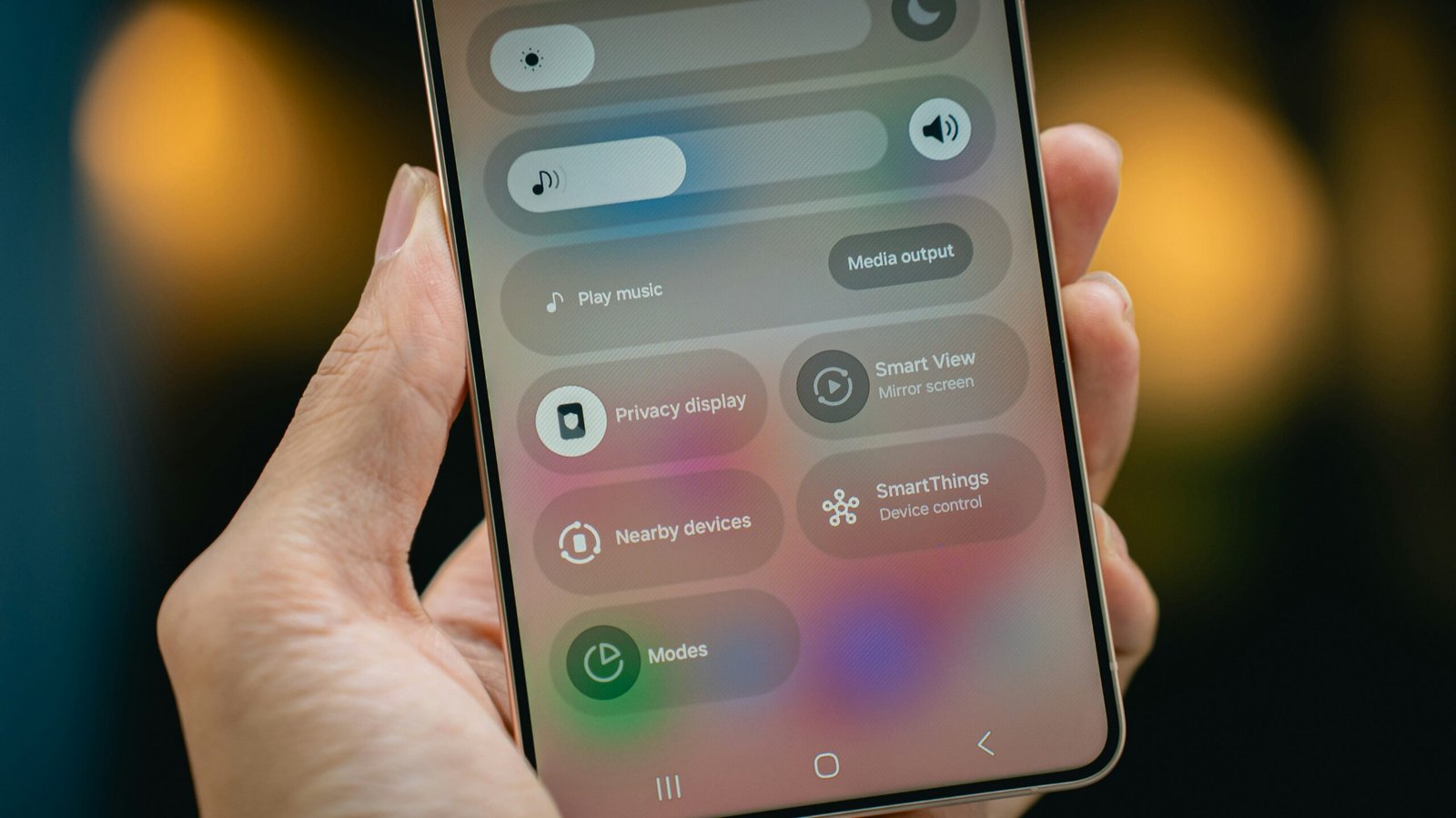
Smartphones have fundamentally changed how people access information and engage with digital content. In the early 2000s, mobile web browsing was limited to basic text-based websites that were difficult to navigate on small screens. As mobile technology improved, mobile browsers became more capable.
The release of the iPhone in 2007 was a major milestone, introducing a user-friendly interface and web browsing experience comparable to desktop computers. This development led to a significant increase in mobile internet usage and the number of people accessing the web through mobile devices. By 2023, mobile devices accounted for over 54% of global web traffic, highlighting the need for websites to be optimized for mobile viewing.
This growth in mobile browsing has led businesses and developers to revise their digital strategies, emphasizing responsive design that works across different screen sizes and resolutions. The expansion of high-speed mobile networks, including 4G and 5G technology, has improved the mobile browsing experience by enabling users to access multimedia content quickly and reliably. Mobile browsing is now essential to daily life, affecting consumer shopping behavior and social communication.
The Emergence of Progressive Web Apps
As mobile browsing evolved, so did the need for more sophisticated web applications that could deliver an experience akin to native apps. This led to the emergence of Progressive Web Apps (PWAs), which combine the best features of both web and mobile applications. PWAs are designed to be fast, reliable, and engaging, providing users with an app-like experience directly through their web browsers.
They leverage modern web capabilities to deliver high performance and can work offline or on low-quality networks, making them particularly appealing in regions with limited connectivity. The concept of PWAs gained traction around 2015 when Google began advocating for their development as a solution to the limitations of traditional web applications. By utilizing service workers, which act as a proxy between the web application and the network, PWAs can cache resources and serve them even when the user is offline.
This capability not only enhances user experience but also reduces load times significantly. Furthermore, PWAs can be added to a user’s home screen without going through app stores, streamlining the installation process and eliminating barriers that often deter users from downloading traditional apps.
Advantages of Progressive Web Apps over Traditional Mobile Apps
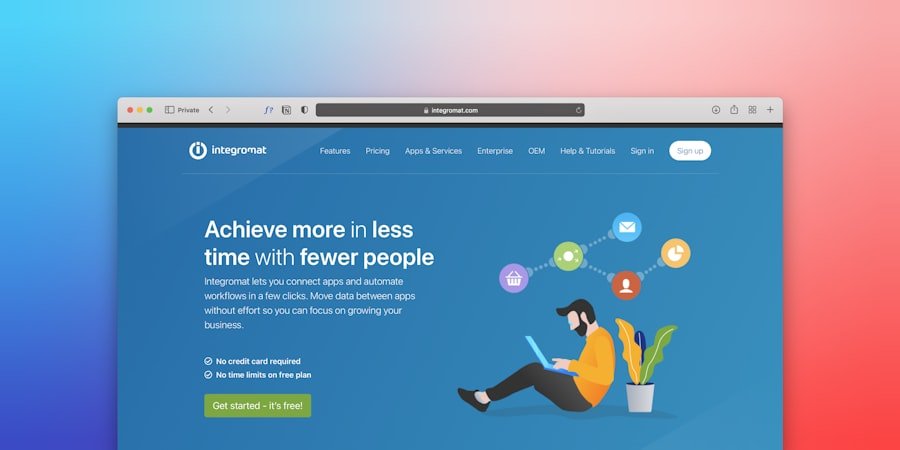
One of the most significant advantages of PWAs is their ability to provide a seamless user experience across different devices and platforms. Unlike traditional mobile apps that require separate development for iOS and Android, PWAs are built using standard web technologies such as HTML, CSS, and JavaScript. This cross-platform compatibility means that developers can create a single codebase that works on any device with a modern web browser, significantly reducing development time and costs.
Additionally, PWAs offer enhanced performance features that traditional apps often struggle to match. For instance, they can load quickly even on slow networks due to their ability to cache resources effectively. This speed is crucial in retaining users; studies have shown that a one-second delay in loading time can lead to a 7% reduction in conversions.
Furthermore, PWAs do not require users to go through app stores for updates or installations, which can be cumbersome and time-consuming. Instead, updates are delivered automatically when users access the app, ensuring they always have the latest version without any additional effort.
The Impact of Progressive Web Apps on User Experience
The user experience provided by PWAs is often cited as one of their most compelling features. By mimicking the look and feel of native applications, PWAs create an engaging environment that encourages user interaction. Features such as push notifications allow businesses to re-engage users effectively, delivering timely updates or promotions directly to their devices.
This capability not only enhances user retention but also fosters a sense of connection between the user and the brand. Moreover, PWAs are designed with accessibility in mind. They can be easily navigated using touch gestures or keyboard shortcuts, making them usable for individuals with varying levels of digital literacy or physical ability.
The responsive design inherent in PWAs ensures that content is displayed optimally across different screen sizes, providing a consistent experience whether users are on a smartphone, tablet, or desktop computer. This focus on user-centric design is crucial in today’s competitive digital landscape, where user expectations are continually rising.
The Evolution of Mobile Browsing: From Websites to Web Apps
| Metric | Before PWAs | After PWAs | Impact |
|---|---|---|---|
| Page Load Speed | 5-7 seconds | 1-3 seconds | Up to 70% faster loading times |
| Offline Access | Not available | Available via service workers | Enables browsing without internet connection |
| Engagement Rate | 30-40% | 50-60% | Increase in user retention and interaction |
| App Installation Rate | Requires app store download | Instant install from browser | Simplifies user onboarding process |
| Data Usage | High due to full page reloads | Reduced by caching assets | Lower data consumption for users |
| Push Notifications | Limited to native apps | Supported in browsers | Improves direct user communication |
The transition from traditional websites to web applications marks a significant evolution in mobile browsing. Initially, websites were primarily static pages designed for desktop viewing, often lacking interactivity and responsiveness. As mobile devices gained popularity, developers began creating responsive websites that could adapt to various screen sizes.
However, these adaptations still fell short of delivering the rich functionality users had come to expect from native applications. The introduction of web applications represented a paradigm shift in this evolution. Web apps offered dynamic content and interactivity that traditional websites could not provide.
They utilized AJAX (Asynchronous JavaScript and XML) technology to enable real-time updates without requiring full page reloads. This innovation laid the groundwork for PWAs, which take web applications a step further by incorporating offline capabilities and enhanced performance features. As mobile browsing continues to evolve, it is clear that PWAs represent the next logical step in this progression, bridging the gap between traditional websites and fully-fledged native applications.
How Progressive Web Apps are Changing the Landscape of Mobile Development

The rise of PWAs is reshaping the landscape of mobile development by challenging conventional approaches to app creation and distribution. Traditionally, developers faced significant hurdles when creating apps for multiple platforms due to differences in operating systems and device specifications. However, with PWAs, developers can focus on building a single application that functions seamlessly across all devices with minimal adjustments.
This shift not only streamlines the development process but also democratizes access to high-quality applications for businesses of all sizes. Small businesses and startups can leverage PWAs to deliver sophisticated user experiences without the substantial investment typically required for native app development. As a result, we are witnessing an increase in innovative solutions emerging from smaller players who can now compete more effectively with larger corporations.
Moreover, the adoption of PWAs is prompting major tech companies to rethink their strategies regarding app distribution and monetization. With fewer barriers to entry for users—such as avoiding app store downloads—businesses are finding new ways to engage customers directly through their websites. This trend is likely to continue as more organizations recognize the potential of PWAs to enhance customer engagement while reducing operational costs.
The Future of Mobile Browsing: The Role of Progressive Web Apps
Looking ahead, it is evident that PWAs will play a pivotal role in shaping the future of mobile browsing. As technology continues to advance, users will increasingly demand faster, more reliable experiences that cater to their on-the-go lifestyles. PWAs are uniquely positioned to meet these demands by offering offline capabilities, push notifications, and seamless updates—all essential features for modern users.
Furthermore, as internet connectivity improves globally with the expansion of 5G networks and beyond, the potential for PWAs will only grow. Enhanced bandwidth will enable richer media experiences within web applications, allowing developers to create more immersive environments without sacrificing performance. This evolution will likely lead to an even greater convergence between web and mobile applications as users come to expect high-quality experiences regardless of how they access content.
In addition to technological advancements, regulatory changes may also influence the future landscape of mobile browsing. As privacy concerns continue to rise among consumers, PWAs offer a more transparent alternative to traditional apps that often require extensive permissions and data collection practices. By prioritizing user control over data and providing clear value propositions without intrusive advertising or tracking mechanisms, PWAs could become increasingly favored by privacy-conscious users.
Implementing Progressive Web Apps: Best Practices and Considerations
When considering the implementation of Progressive Web Apps, several best practices should be taken into account to ensure success. First and foremost is the importance of performance optimization. Developers should prioritize fast loading times by minimizing resource sizes and leveraging caching strategies effectively.
Tools like Lighthouse can help assess performance metrics and identify areas for improvement. Another critical consideration is ensuring cross-browser compatibility. While most modern browsers support PWA features, discrepancies may still exist between them.
Testing across various platforms is essential to guarantee a consistent user experience regardless of how users access the application. User engagement strategies should also be carefully planned when implementing PWAs. Utilizing push notifications effectively can help re-engage users who may have abandoned the app after their initial visit.
However, it is crucial to strike a balance; excessive notifications can lead to user fatigue and ultimately drive them away. Finally, accessibility should be at the forefront of PWA development efforts. Ensuring that all users can navigate and interact with the application is not only a legal requirement in many jurisdictions but also enhances overall user satisfaction and engagement.
In conclusion, as mobile browsing continues its rapid evolution towards more sophisticated solutions like Progressive Web Apps, developers must remain agile and responsive to changing user needs and technological advancements. By adhering to best practices and focusing on delivering exceptional user experiences, businesses can harness the full potential of PWAs in this dynamic digital landscape.
FAQs
What is a Progressive Web App (PWA)?
A Progressive Web App (PWA) is a type of application software delivered through the web, built using common web technologies including HTML, CSS, and JavaScript. PWAs are designed to work on any platform that uses a standards-compliant browser, providing a native app-like experience.
How do Progressive Web Apps differ from traditional mobile apps?
Unlike traditional mobile apps, PWAs do not require installation from an app store. They can be accessed directly through a web browser and offer features such as offline access, push notifications, and fast loading times, combining the best of web and native app experiences.
What are the main benefits of using Progressive Web Apps?
PWAs offer several benefits including improved performance, offline functionality, reduced data usage, easy updates without app store approval, cross-platform compatibility, and enhanced user engagement through features like push notifications.
How do PWAs improve mobile browsing?
PWAs enhance mobile browsing by providing faster load times, smoother interactions, and the ability to work offline or on low-quality networks. They also allow users to add the app to their home screen for quick access, making the browsing experience more seamless and app-like.
Are Progressive Web Apps supported on all mobile devices?
Most modern mobile devices and browsers support PWAs, including Android and iOS devices. However, some features may have limited support on certain platforms or browsers, with Android generally offering more comprehensive PWA functionality compared to iOS.
Can PWAs send push notifications like native apps?
Yes, PWAs can send push notifications to users, helping businesses engage with their audience similarly to native apps. This feature requires user permission and is supported on most modern browsers.
Do Progressive Web Apps require internet connectivity to function?
PWAs are designed to work offline or with poor internet connectivity by caching content and data locally. This allows users to continue interacting with the app even when they are not connected to the internet.
How do PWAs impact app development and maintenance?
PWAs simplify app development and maintenance by using a single codebase for all platforms, reducing the need for separate native apps. Updates can be deployed instantly without requiring users to download new versions from app stores.
Are PWAs secure?
PWAs are served over HTTPS, ensuring secure data transmission between the user and the server. This helps protect against man-in-the-middle attacks and ensures user data privacy.
Can businesses track user engagement in PWAs?
Yes, businesses can integrate analytics tools within PWAs to monitor user behavior, engagement, and performance metrics, similar to traditional websites and native apps.