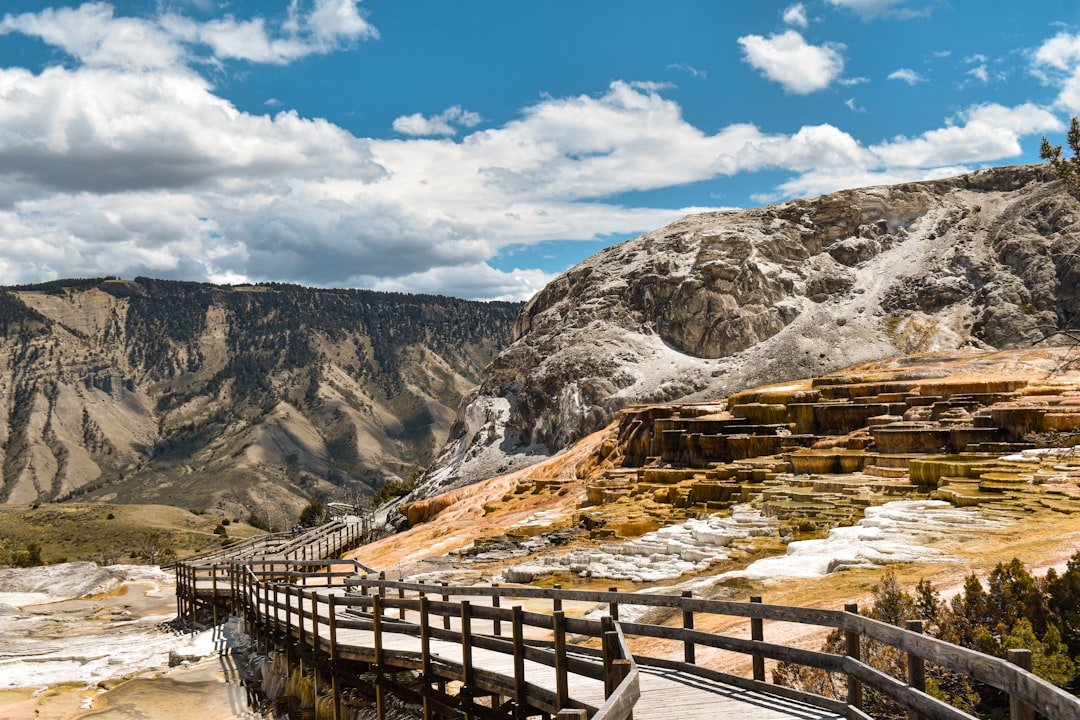
Reykjavik, the capital of Iceland, is a city shaped by its distinctive geological characteristics, particularly geothermal activity. Located on the Mid-Atlantic Ridge where the North American and Eurasian tectonic plates converge, Reykjavik has access to substantial geothermal resources. This geological feature influences both the physical landscape and the daily lives of residents.
The city contains numerous geothermal pools, hot springs, and steam vents. Geothermal energy extracted from these sources provides heating for homes, water heating, and electricity generation, demonstrating Iceland’s reliance on renewable energy sources. Geothermal resources play a central role in Reykjavik’s character and economy.
The Blue Lagoon, situated outside the city, is the world’s most well-known geothermal spa, drawing visitors with its distinctive blue mineral-rich waters and volcanic surroundings. Reykjavik itself contains multiple hot springs and geothermal pools that provide more secluded bathing experiences. These natural features are typically located within striking landscapes, including lava fields and rolling hills.
The combination of scenic terrain and the therapeutic qualities of geothermal water makes Reykjavik an established destination for visitors interested in natural attractions and geothermal bathing.
Exploring the Best Natural Hot Springs in Reykjavik
When it comes to natural hot springs in Reykjavik, several locations stand out for their unique characteristics and accessibility. One of the most popular spots is the Laugardalslaug geothermal pool, which is not only one of the largest swimming facilities in Iceland but also features several hot tubs fed by natural hot springs. This facility offers a blend of relaxation and recreation, with options for swimming laps or simply soaking in the warm waters while enjoying views of the surrounding mountains.
The atmosphere here is vibrant, often filled with locals and tourists alike, creating a communal experience that reflects Icelandic culture. Another gem is the Nauthólsvík Geothermal Beach, where visitors can enjoy a unique combination of hot springs and ocean views. This man-made beach features a hot spring-fed lagoon that provides a warm swimming experience even in the chilly Icelandic climate.
The contrast between the warm waters and the cool sea air creates a refreshing experience that is hard to replicate elsewhere. Additionally, the beach area is equipped with facilities such as saunas and changing rooms, making it an ideal spot for families or those looking to spend an entire day relaxing by the water.
The Health Benefits of Soaking in Hot Springs
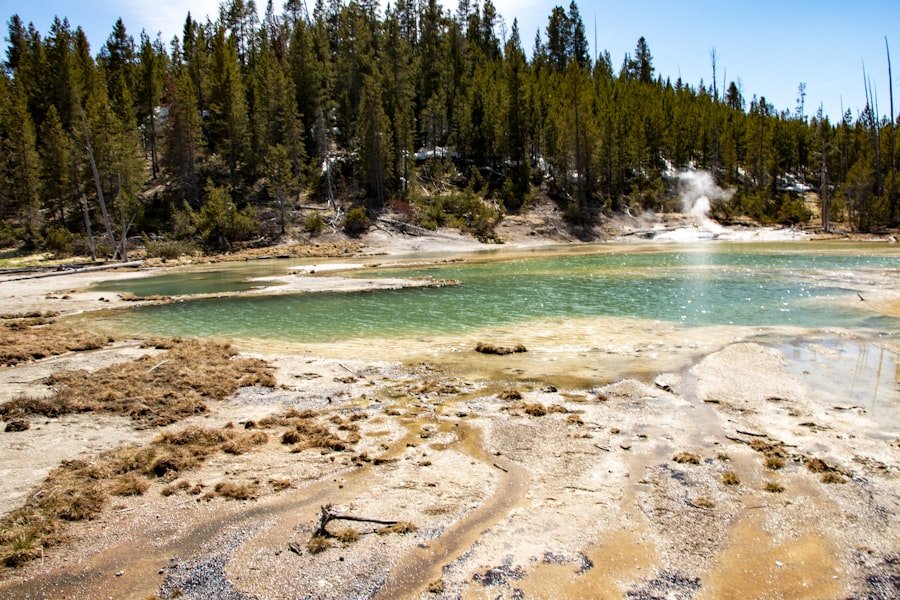
Soaking in hot springs has been celebrated for centuries for its numerous health benefits. The mineral-rich waters found in these geothermal pools are believed to have therapeutic properties that can alleviate various ailments. For instance, many people find relief from muscle tension and joint pain after soaking in hot springs due to the heat’s ability to increase blood circulation and relax tight muscles.
This natural remedy is particularly beneficial for athletes or individuals recovering from injuries, as it promotes faster healing and recovery. Moreover, the minerals present in geothermal waters—such as sulfur, silica, and magnesium—are known to have skin-soothing properties. Regular exposure to these minerals can help improve skin conditions like eczema or psoriasis, providing relief from irritation and promoting overall skin health.
Additionally, soaking in hot springs can have positive effects on mental well-being. The calming environment combined with the warmth of the water can reduce stress levels and promote relaxation, making it an excellent way to unwind after a long day of exploring Reykjavik’s vibrant culture and stunning landscapes.
Tips for Visiting Reykjavik’s Natural Hot Springs
Visiting Reykjavik’s natural hot springs can be an unforgettable experience if approached with some practical tips in mind. First and foremost, it’s essential to familiarize yourself with local customs regarding bathing etiquette. In Iceland, it is customary to shower thoroughly before entering any public pool or hot spring to maintain cleanliness.
Many facilities provide private shower stalls equipped with soap and shampoo, ensuring that everyone can enjoy the waters in a hygienic environment. Another important consideration is timing your visit. While many hot springs are open year-round, visiting during off-peak hours can enhance your experience by allowing you to enjoy a more tranquil atmosphere.
Early mornings or late evenings are often less crowded, providing an opportunity to soak in peace while taking in the stunning views of Reykjavik’s skyline or surrounding nature. Additionally, bringing along essentials such as a towel, swimsuit, and flip-flops can make your visit more comfortable. Some locations may offer rental options for towels or swimsuits, but having your own can save time and ensure you have what you need for a relaxing soak.
The Cultural Significance of Hot Springs in Icelandic Society
| Hot Spring Name | Distance from Reykjavik (km) | Water Temperature (°C) | Accessibility | Facilities Available | Recommended Visit Duration |
|---|---|---|---|---|---|
| Blue Lagoon | 50 | 37-39 | Easy (Shuttle & Car) | Changing rooms, café, spa treatments | 2-3 hours |
| Reykjadalur Hot Springs (Steam Valley) | 40 | 38-40 | Moderate (Hiking required) | Natural pools, no formal facilities | 3-4 hours (including hike) |
| Secret Lagoon (Gamla Laugin) | 100 | 38-40 | Moderate (Car recommended) | Changing rooms, café | 1-2 hours |
| Landmannalaugar Hot Springs | 180 | 38-42 | Difficult (4×4 vehicle & hiking) | Basic changing area | 2-3 hours |
| Hveragerði Hot Springs | 45 | 35-40 | Easy (Car & Bus) | Public pools, cafés | 1-2 hours |
Hot springs hold a special place in Icelandic culture and history, serving as communal gathering spots for centuries. Traditionally, these geothermal pools were not only places for bathing but also venues for social interaction and community bonding. In rural areas, hot springs often served as meeting points where locals would come together to share stories, celebrate milestones, or simply enjoy each other’s company while soaking in the warm waters.
This cultural significance continues today, as many Icelanders frequent local hot springs as part of their daily routines. Moreover, hot springs are deeply intertwined with Icelandic folklore and mythology. Many legends speak of hidden elves or spirits residing near these geothermal features, adding an element of mystique to their allure.
This connection to nature and spirituality reflects the Icelandic people’s respect for their environment and its natural wonders. As such, visiting hot springs is not merely a recreational activity; it is also an opportunity to engage with Iceland’s rich cultural heritage and appreciate the deep-rooted traditions that have shaped its society over generations.
Protecting and Preserving Reykjavik’s Natural Hot Springs
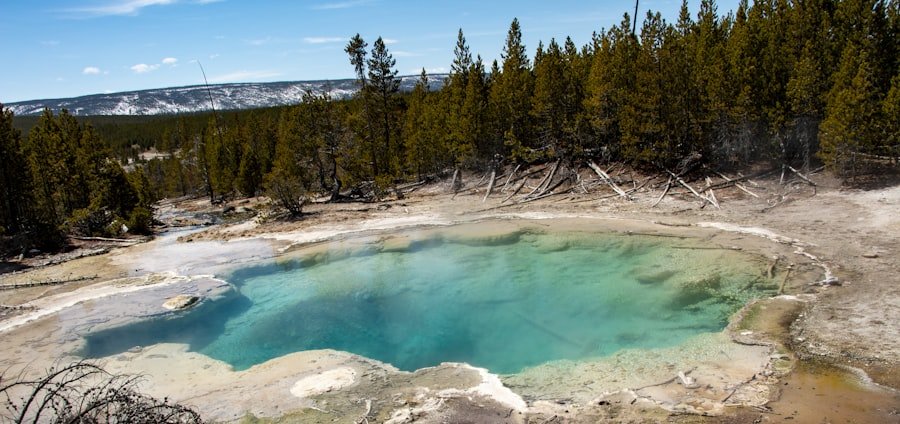
As tourism continues to grow in Reykjavik, so does the need for responsible stewardship of its natural hot springs. The delicate ecosystems surrounding these geothermal features are vulnerable to overuse and pollution if not managed properly. Local authorities have implemented various measures to protect these natural resources while still allowing visitors to enjoy their benefits.
For instance, many hot spring facilities are designed with sustainability in mind, utilizing eco-friendly practices such as recycling water and minimizing waste. Education plays a crucial role in preserving these natural wonders as well. Visitors are encouraged to respect the environment by following guidelines that promote responsible behavior while enjoying hot springs.
This includes refraining from using soaps or shampoos in natural pools to prevent contamination and adhering to designated paths to avoid damaging surrounding vegetation. By fostering a culture of respect for nature among both locals and tourists, Reykjavik aims to ensure that its geothermal treasures remain accessible for future generations.
The Best Times to Visit Reykjavik’s Natural Hot Springs
The best time to visit Reykjavik’s natural hot springs largely depends on personal preferences regarding weather and crowd levels. Summer months—June through August—offer milder temperatures and longer daylight hours, making it an ideal time for outdoor activities and soaking in hot springs surrounded by lush greenery. During this season, visitors can enjoy the vibrant colors of nature while experiencing the warmth of geothermal waters against a backdrop of blooming flora.
Conversely, winter months—December through February—bring their own unique charm to hot spring visits. The contrast between the cold air and warm water creates a magical atmosphere, especially when surrounded by snow-covered landscapes. Additionally, winter offers opportunities for viewing the Northern Lights while soaking in outdoor pools—a truly unforgettable experience that draws many travelers seeking adventure during this season.
Regardless of when you choose to visit, each season presents its own beauty and allure that enhances the experience of enjoying Reykjavik’s natural hot springs.
Other Activities to Enjoy Near Reykjavik’s Natural Hot Springs
Beyond soaking in the rejuvenating waters of Reykjavik’s natural hot springs, there are numerous activities nearby that cater to various interests. For those who enjoy outdoor adventures, hiking trails abound in the surrounding areas, offering breathtaking views of volcanic landscapes and lush valleys. Popular hiking destinations include Mount Esja and Þingvellir National Park, both easily accessible from Reykjavik and providing opportunities for exploration amidst stunning scenery.
Cultural enthusiasts will find plenty to engage with as well. Reykjavik is home to numerous museums showcasing Icelandic history, art, and culture. The National Museum of Iceland offers insights into the country’s past through fascinating exhibits that highlight its Viking heritage and cultural evolution over time.
Additionally, local galleries often feature contemporary art from Icelandic artists, providing a glimpse into the vibrant creative scene that thrives within the city. Whether you choose to immerse yourself in nature or delve into Reykjavik’s rich cultural offerings, combining these activities with visits to natural hot springs creates a well-rounded experience that captures the essence of this remarkable destination.
FAQs
What are natural hot springs?
Natural hot springs are pools of geothermally heated groundwater that emerge from the Earth’s crust. They are often rich in minerals and have been used for bathing and therapeutic purposes for centuries.
Are there natural hot springs near Reykjavik?
Yes, there are several natural hot springs and geothermal pools located within a short driving distance from Reykjavik, Iceland’s capital. These include well-known spots like the Blue Lagoon and lesser-known natural springs in the surrounding countryside.
Is it safe to swim in natural hot springs around Reykjavik?
Most natural hot springs around Reykjavik are safe to swim in, but it is important to follow local guidelines and signage. Some springs may have very hot water or strong currents, so caution is advised.
Do I need to bring anything to visit the hot springs?
Visitors should bring swimwear, a towel, and water shoes if possible. Some hot springs may have changing facilities, but it’s best to check in advance. It’s also recommended to bring water to stay hydrated.
Are the hot springs open year-round?
Many hot springs and geothermal pools near Reykjavik are open year-round, but accessibility can vary depending on weather conditions, especially in winter. It’s advisable to check opening hours and road conditions before visiting.
Can I visit the Blue Lagoon from Reykjavik?
Yes, the Blue Lagoon is one of the most popular geothermal spas near Reykjavik, located about 45 minutes away by car. It is a man-made lagoon fed by natural geothermal water and offers extensive visitor facilities.
Are there any free natural hot springs near Reykjavik?
While many popular geothermal pools charge an entrance fee, there are some free natural hot springs and geothermal areas around Reykjavik. However, these may have limited facilities and require more careful planning to visit safely.
What is the best time of year to visit hot springs near Reykjavik?
Hot springs can be enjoyed year-round, but many visitors prefer the colder months (autumn to spring) when the contrast between the cold air and warm water is most enjoyable. Summer offers longer daylight hours and milder weather.
Are there any health benefits to bathing in natural hot springs?
Bathing in natural hot springs is believed to have therapeutic benefits due to the mineral content of the water, which can help with skin conditions, muscle relaxation, and improved circulation. However, individuals with certain health conditions should consult a doctor before visiting.
How do I get to natural hot springs from Reykjavik?
Natural hot springs near Reykjavik can be reached by car, guided tours, or public transportation depending on the location. Renting a car or joining a tour is often the most convenient way to explore multiple hot springs in the area.