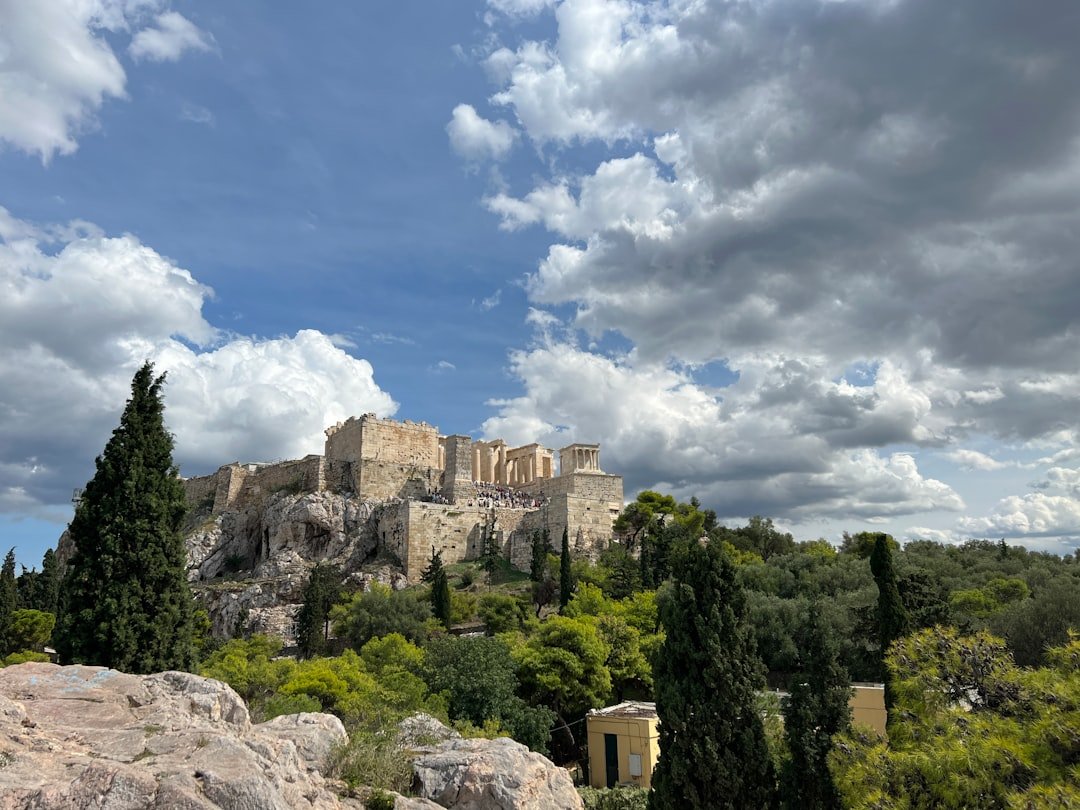
Athens, known as the birthplace of Western civilization, is recognized primarily for its famous monuments including the Acropolis and the Parthenon. Beyond these major tourist destinations, however, numerous lesser-known archaeological sites exist that provide valuable insights into ancient Greek history. These sites allow visitors to examine the physical remains of ancient civilizations that developed centuries before the modern era.
The regions surrounding Athens contain multiple archaeological locations, including ruins of temples, theaters, and sanctuaries, situated within varied landscapes that document aspects of ancient religious practice, public entertainment, and daily life. Exploring areas outside central Athens provides access to historical sites where visitors can examine ancient structures and artifacts. Each archaeological location contains distinct historical information, frequently connected to ancient Greek mythology and regional historical accounts.
This article examines several of these lesser-known archaeological sites, analyzing their historical importance and what they reveal about ancient Greek society. By studying these sites, visitors can develop a more comprehensive understanding of Greek cultural heritage and the contributions of ancient Greek civilization to subsequent historical periods.
The Mysterious Ruins of Eleusis
Located just a short drive from Athens, Eleusis is home to one of the most significant religious sites of ancient Greece—the Eleusinian Mysteries. This sanctuary was dedicated to Demeter and Persephone, celebrating the cycle of life and death through agricultural rites. The ruins here are not only architecturally impressive but also steeped in mystery, as the details of the rituals performed during the Mysteries remain largely unknown to this day.
The secrecy surrounding these rites has fueled speculation and intrigue for centuries, making Eleusis a captivating destination for those interested in ancient spirituality. The site features several notable structures, including the Telesterion, a grand hall where initiates would gather for the sacred ceremonies. The remains of this building reveal its once-majestic scale, with massive stone blocks that hint at the architectural prowess of the ancient Greeks.
Visitors can also explore the remnants of other structures, such as the Sacred Way, which connected Eleusis to Athens and was lined with statues and altars. The atmosphere at Eleusis is imbued with a sense of reverence, inviting contemplation on the mysteries that once captivated thousands of initiates who journeyed here in search of enlightenment.
Exploring the Enigmatic Rhamnous Archaeological Site
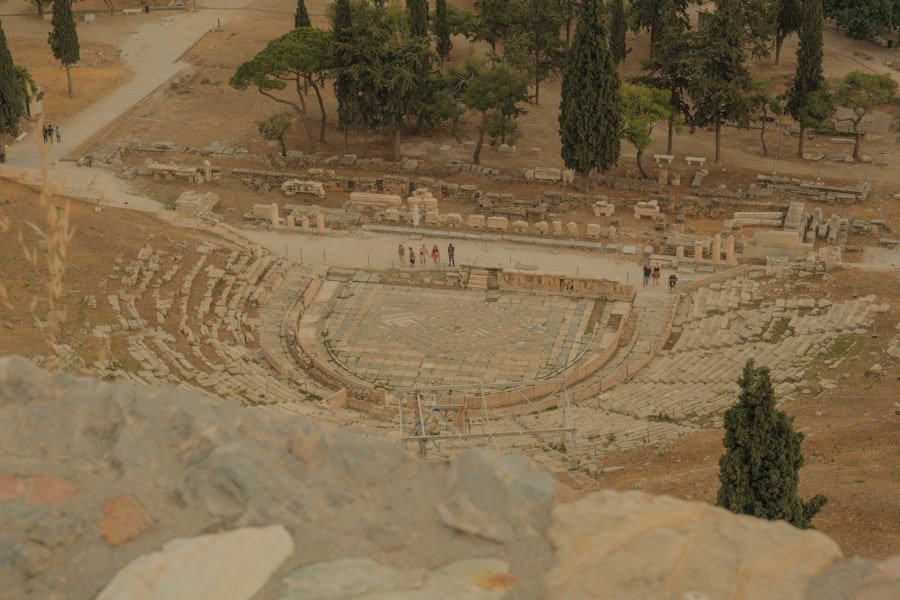
Rhamnous, situated on a rugged cliff overlooking the Aegean Sea, is another hidden gem that offers a fascinating glimpse into ancient Greek life. This site was strategically important in antiquity due to its location guarding the approach to Attica. The ruins here include a well-preserved theater and a sanctuary dedicated to Nemesis, the goddess of retribution.
The theater, carved into the natural landscape, could accommodate a significant number of spectators and served as a venue for various performances and gatherings. The sanctuary of Nemesis is particularly intriguing, as it reflects the ancient Greeks’ complex relationship with fate and justice. The remains of the temple dedicated to this goddess reveal exquisite architectural details, including remnants of friezes that depict mythological scenes.
Visitors to Rhamnous can wander through the ruins while enjoying breathtaking views of the surrounding landscape, which adds to the site’s allure. The combination of natural beauty and historical significance makes Rhamnous a compelling destination for those seeking to connect with Greece’s ancient past.
Uncovering the Secrets of the Ancient Thorikos
Thorikos is an archaeological site that often flies under the radar but is rich in history and significance. Located on the southeastern coast of Attica, this ancient mining town was known for its silver mines and played a crucial role in supplying resources to Athens during its golden age. The remnants of Thorikos include an ancient theater, which is one of the oldest in Greece, dating back to the 5th century BCE.
This theater is notable for its unique construction and excellent acoustics, allowing performances to resonate throughout the surrounding hills. In addition to the theater, visitors can explore remnants of residential areas and industrial facilities that highlight the daily lives of those who inhabited Thorikos. The site also features an impressive collection of ancient inscriptions and artifacts that provide insight into the social and economic dynamics of this once-thriving community.
Walking through Thorikos allows one to imagine the bustling activity that once characterized this mining hub, where laborers worked tirelessly to extract precious metals that would fuel Athens’ ambitions.
The Lesser-Known Ruins of Brauron
| Ruins Name | Location | Distance from Athens (km) | Estimated Age (years) | Annual Visitors | Accessibility | Notable Features |
|---|---|---|---|---|---|---|
| Eleusis Ruins | Eleusis | 18 | 2,500 | 15,000 | Moderate | Ancient Mysteries Sanctuary |
| Rhamnous Fortress | Rhamnous | 45 | 2,400 | 5,000 | Challenging | Well-preserved fortifications and temples |
| Thorikos Theatre | Lavrio | 60 | 2,300 | 3,000 | Easy | One of the oldest Greek theatres |
| Lavrion Mines | Lavrio | 60 | 3,000 | 2,000 | Moderate | Ancient silver mines |
| Vravrona Sanctuary | Vravrona | 35 | 2,600 | 4,000 | Easy | Temple of Artemis and archaeological museum |
Brauron, located near the eastern coast of Attica, is another archaeological site that deserves attention for its historical significance. This sanctuary was dedicated to Artemis, the goddess of hunting and childbirth, and served as a place for women to worship and participate in rituals associated with fertility and motherhood. The site features several well-preserved structures, including a temple dedicated to Artemis and an ancient agora where various activities took place.
One of the most fascinating aspects of Brauron is its association with young girls who were initiated into womanhood through a rite known as “Arkteia.” During this ceremony, girls would dress as bears and participate in various rituals honoring Artemis. The remains of votive offerings found at Brauron provide insight into these practices and highlight the importance of female rites in ancient Greek society. Visitors can explore the ruins while reflecting on the cultural significance of these rituals and their impact on women’s roles in antiquity.
Delving into the History of the Vravrona Archaeological Site
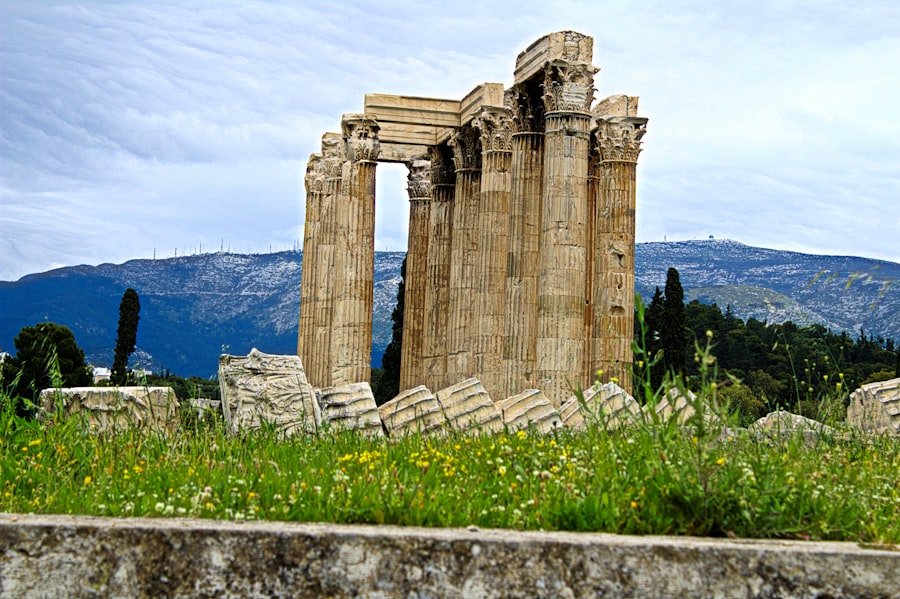
The Vravrona Archaeological Site is another hidden treasure located near Brauron, offering visitors a chance to explore an ancient sanctuary dedicated to Artemis. This site is particularly notable for its well-preserved temple ruins and an impressive collection of artifacts that shed light on religious practices in ancient Greece. The temple itself was built in the 5th century BCE and features intricate architectural details that reflect the artistic achievements of its time.
In addition to its religious significance, Vravrona was also an important center for trade and commerce due to its proximity to the sea. The remains of ancient warehouses and storage facilities indicate that this site played a vital role in facilitating trade between Athens and other regions. Visitors can stroll through the ruins while contemplating how Vravrona served as both a spiritual haven and a bustling economic hub in antiquity.
The juxtaposition of sacred space and commercial activity provides a unique perspective on how ancient Greeks navigated their spiritual and material lives.
The Intriguing Ruins of Sounion
Sounion is perhaps best known for its dramatic coastal setting and the iconic Temple of Poseidon that stands sentinel over the Aegean Sea. While this site is more recognized than others mentioned here, it still offers an experience that feels remote and untouched by modernity. The temple itself dates back to the 5th century BCE and is renowned for its stunning Doric columns that rise majestically against the backdrop of azure waters.
The site has long been associated with maritime activities, serving as a point of worship for sailors seeking protection from Poseidon during their voyages. Beyond its architectural grandeur, Sounion holds deep historical significance as a strategic naval outpost for Athens. The ruins here tell stories not only of religious devotion but also of military prowess and maritime trade routes that shaped ancient Greek society.
As visitors wander through the remnants of this sacred site, they are treated to breathtaking views that evoke a sense of connection to both nature and history. The sunsets at Sounion are particularly enchanting, casting golden hues over the temple ruins and creating an atmosphere that feels almost ethereal.
The Rich History of Hidden Ancient Ruins Near Athens
The archaeological sites surrounding Athens offer a wealth of opportunities for exploration beyond the well-known landmarks. Each hidden gem reveals layers of history that contribute to our understanding of ancient Greek civilization. From Eleusis’s enigmatic rituals to Rhamnous’s strategic importance, these sites invite visitors to engage with history in a profound way.
As travelers venture off the beaten path, they not only discover remarkable ruins but also connect with stories that have shaped human experience for millennia. These lesser-known sites serve as reminders that history is not confined to grand monuments; it resides in every stone and fragment that tells a story waiting to be uncovered. By exploring these hidden treasures near Athens, visitors can gain a deeper appreciation for Greece’s rich cultural heritage while experiencing moments of solitude and reflection amidst ancient ruins.
Each site offers a unique perspective on life in antiquity, allowing us to draw connections between past and present as we navigate our own journeys through time.
FAQs
Where are the ancient ruins near Athens that are less visited by tourists?
Many lesser-known ancient ruins near Athens are located in the surrounding regions such as Eleusis, Sounion, and the countryside around Marathon. These sites are often overshadowed by the Acropolis but offer rich historical significance and fewer crowds.
What is the historical significance of these lesser-known ruins?
These ruins often date back to various periods of ancient Greek history, including the Classical, Hellenistic, and Roman eras. They can include temples, sanctuaries, theaters, and ancient settlements that provide insight into the daily life, religious practices, and political history of ancient Greece.
How can I visit these ancient ruins near Athens?
Most of these sites are accessible by car or public transportation from Athens. Some may require a short hike or guided tour to reach. It is advisable to check opening hours and any visitor requirements in advance.
Are there guided tours available for these less-visited ruins?
Yes, some local tour operators offer specialized tours focusing on off-the-beaten-path archaeological sites near Athens. These tours often provide detailed historical context and a more intimate experience compared to the more popular sites.
What should I bring when visiting ancient ruins near Athens?
Visitors should bring comfortable walking shoes, water, sun protection such as hats and sunscreen, and a camera. It is also helpful to carry a map or guidebook, and sometimes a flashlight if exploring caves or underground areas.
Are these ancient ruins suitable for families and children?
Many of the sites are family-friendly, but accessibility can vary. Some ruins may have uneven terrain or require walking on dirt paths, so it is important to consider the physical abilities of all family members.
Is there an entrance fee to visit these ancient ruins?
Some sites may charge a small entrance fee, while others are free to the public. Fees and opening hours can vary, so it is recommended to check official websites or local tourist information centers before visiting.
What is the best time of year to visit these ancient ruins near Athens?
Spring (April to June) and autumn (September to October) are ideal times to visit due to mild weather and fewer tourists. Summers can be very hot, and some sites may be less comfortable to explore during peak heat.