Norway’s fjords are major natural formations located along the western coast, extending over 1,200 miles. These deep glacial valleys were created during the last Ice Age through the erosion of glaciers. The fjords are characterized by steep cliff walls, deep waters, and surrounding mountain ranges with waterfalls.
The fjords support significant tourism and attract visitors interested in natural landscapes and outdoor activities. The region’s geography makes it suitable for various recreational pursuits including hiking, boating, and photography. The fjord regions contain numerous small settlements with historical connections to Viking-era Norse communities.
The local populations have traditionally depended on fishing, agriculture, and increasingly on tourism for economic sustenance. The architecture and cultural practices in these villages reflect adaptations to the fjord environment and maritime heritage. Each fjord system contains distinct geographical and cultural characteristics that differentiate it from neighboring regions.
Planning Your Kayaking Adventure
When planning a kayaking adventure in Norway’s fjords, several factors must be considered to ensure a safe and enjoyable experience. First and foremost, selecting the right location is crucial. With numerous fjords to choose from, each offering distinct features and challenges, it is essential to research which areas align with your skill level and interests.
For instance, some fjords are more sheltered and suitable for beginners, while others may present more demanding conditions that require advanced skills and experience. In addition to choosing the right fjord, timing your trip is equally important. The weather in Norway can be unpredictable, with conditions changing rapidly.
Therefore, it is advisable to check forecasts and plan your kayaking days accordingly. Summer months, particularly June through August, generally offer milder weather and longer daylight hours, making them ideal for kayaking. However, this is also peak tourist season, so if you prefer a quieter experience, consider visiting in late spring or early autumn when the crowds are thinner but the scenery remains stunning.
Best Fjords for Kayaking
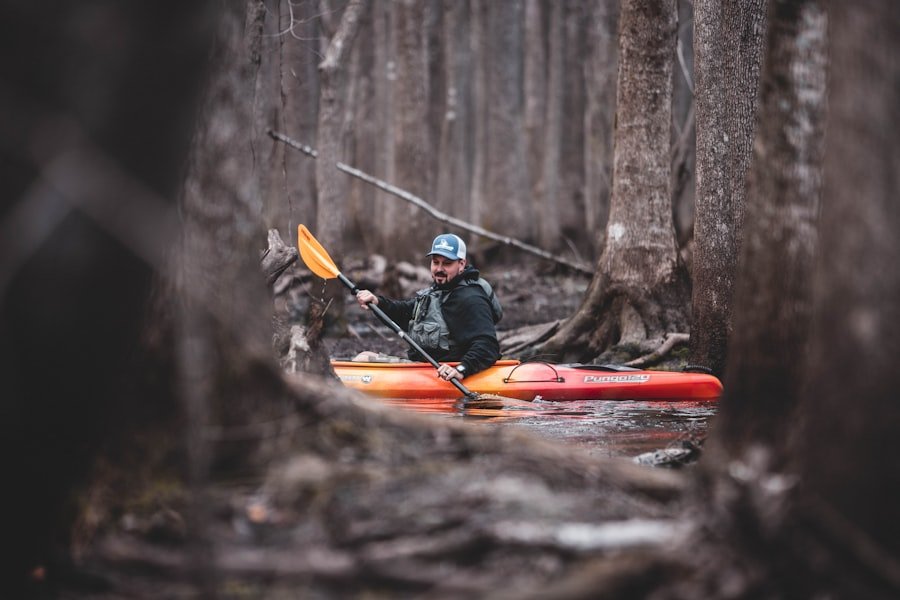
Among Norway’s many fjords, several stand out as premier destinations for kayaking enthusiasts. The Geirangerfjord is often hailed as one of the most beautiful fjords in the world. Its steep cliffs rise dramatically from the water’s edge, adorned with lush greenery and cascading waterfalls like the Seven Sisters and the Suitor.
Paddling through this UNESCO World Heritage site offers an unparalleled opportunity to witness its grandeur up close while enjoying the tranquility of the water. Another exceptional location is the Nærøyfjord, which is also a UNESCO World Heritage site and is renowned for its narrow passages and towering cliffs. This fjord is particularly appealing for those seeking a more intimate kayaking experience, as its narrowness allows for a sense of seclusion amidst stunning scenery.
The vibrant colors of the surrounding landscape change with the seasons, providing a different experience each time you visit. Paddling through Nærøyfjord offers not only breathtaking views but also a chance to explore small villages that dot its shores. The Lysefjord is another must-visit destination for kayakers.
Famous for its iconic Preikestolen (Pulpit Rock), this fjord offers dramatic cliffs that rise over 600 meters above the water. Kayaking here provides a unique perspective of this natural wonder while allowing you to explore hidden coves and beaches along the shoreline. The combination of rugged terrain and serene waters makes Lysefjord an ideal spot for both adventure seekers and those looking to relax in nature.
Safety Tips for Kayaking in Norway
Safety should always be a top priority when embarking on a kayaking adventure in Norway’s fjords. First and foremost, it is essential to wear a personal flotation device (PFD) at all times while on the water. Even experienced kayakers can encounter unexpected challenges, such as sudden weather changes or strong currents.
A PFD can be a lifesaver in emergencies, providing buoyancy and keeping you afloat should you capsize. Additionally, understanding local weather patterns is crucial for safe kayaking. The weather can shift rapidly in Norway, especially in coastal areas where fjords meet open seas.
Before heading out, check local forecasts and be prepared for changing conditions. It is wise to start your kayaking excursions early in the day when winds are typically calmer and conditions more stable. Always inform someone about your planned route and expected return time; this precaution ensures that help can be summoned if you do not return as scheduled.
Another important aspect of safety is being aware of your own skill level and physical condition. If you are new to kayaking or have limited experience, consider joining guided tours or taking lessons before venturing out on your own. Guided tours often provide valuable insights into local conditions and safety practices while allowing you to enjoy the experience without the added stress of navigation.
Wildlife and Nature in the Fjords
| Fjord | Length (km) | Average Kayaking Duration (hours) | Difficulty Level | Popular Activities | Best Season |
|---|---|---|---|---|---|
| Geirangerfjord | 15 | 4-6 | Moderate | Wildlife Watching, Photography | June – August |
| Sognefjord | 205 | 6-8 | Challenging | Glacier Viewing, Camping | May – September |
| Hardangerfjord | 179 | 3-5 | Easy to Moderate | Fruit Orchards, Waterfalls | June – September |
| Nærøyfjord | 18 | 3-4 | Moderate | Steep Cliffs, Scenic Views | June – August |
| Lysefjord | 42 | 5-7 | Challenging | Preikestolen Hike, Rock Formations | May – September |
The fjords of Norway are teeming with diverse wildlife and unique ecosystems that make them a paradise for nature enthusiasts. As you paddle through these pristine waters, you may encounter various marine life, including seals, porpoises, and even whales during certain seasons. The rich biodiversity of the fjords is supported by nutrient-rich waters that sustain an array of fish species, making it an excellent location for both wildlife observation and fishing.
In addition to marine life, the surrounding landscapes are home to an impressive variety of flora and fauna. The steep cliffs and lush valleys provide habitats for numerous bird species, including puffins, eagles, and gulls. Birdwatchers will find plenty of opportunities to observe these magnificent creatures in their natural habitats as they soar above or nest along the cliffs.
The changing seasons also bring different wildlife experiences; for instance, springtime sees migratory birds returning to nest while summer offers vibrant wildflowers blooming along the shores. The interplay between land and sea creates stunning ecosystems that are worth exploring beyond just kayaking. Hiking trails along the fjord edges provide access to panoramic viewpoints where you can take in the breathtaking scenery from above.
These trails often lead to hidden waterfalls or secluded beaches that can only be reached by foot or kayak, enhancing your overall experience in Norway’s natural wonderland.
When considering how to experience Norway’s fjords by kayak, one must weigh the benefits of guided tours against solo exploration. Guided kayaking tours offer several advantages, particularly for those who may be new to kayaking or unfamiliar with the area. Experienced guides provide valuable insights into local history, culture, and ecology while ensuring safety throughout your journey.
They are well-versed in navigating challenging conditions and can lead you to hidden gems that you might not discover on your own. Moreover, guided tours often include equipment rental and transportation logistics, making it easier for travelers who may not have their own gear or who prefer not to deal with transportation issues. These tours can range from half-day excursions to multi-day adventures that include camping along the fjord shores.
For those seeking a more immersive experience without the stress of planning every detail, guided tours can be an excellent choice. On the other hand, solo exploration offers a sense of freedom that many adventurers cherish. Paddling at your own pace allows you to linger at scenic spots or change your route based on personal preferences or spontaneous discoveries.
For experienced kayakers who are comfortable navigating independently, this option can lead to unique experiences away from crowded tourist routes. However, it requires thorough preparation regarding safety measures, navigation skills, and knowledge of local conditions.
Best Time of Year for Kayaking in the Fjords
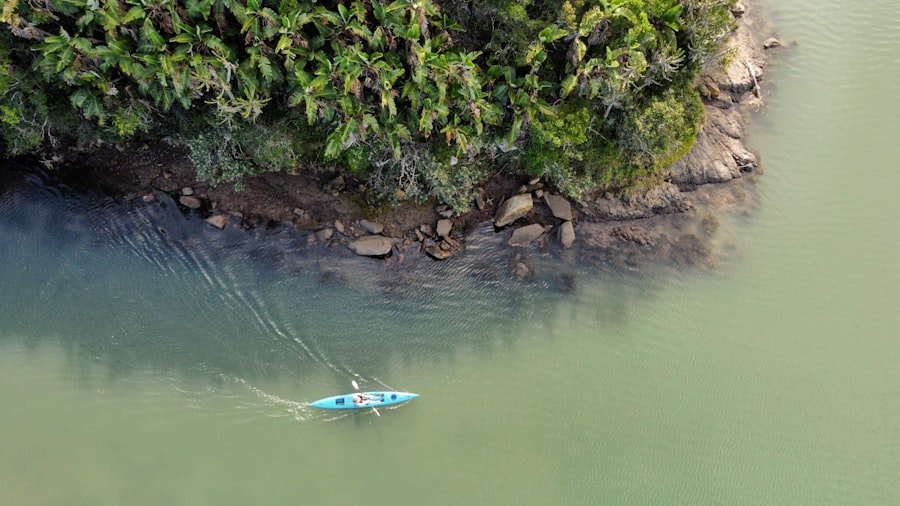
The timing of your kayaking adventure can significantly impact your experience in Norway’s fjords. Generally speaking, late spring through early autumn is considered the best time for kayaking due to favorable weather conditions and longer daylight hours. From late May to early September, temperatures are milder, ranging from 15°C to 25°C (59°F to 77°F), making it comfortable for extended periods on the water.
During this period, you will also witness vibrant landscapes as wildflowers bloom along the shores and lush greenery envelops the cliffs. The longer days provide ample opportunities for exploration; many kayakers take advantage of extended daylight hours to embark on longer paddling trips or multi-day excursions. However, each season offers its own unique charm for kayaking enthusiasts willing to brave different conditions.
Early spring can be quieter with fewer tourists but may present cooler temperatures and occasional rain showers. Autumn brings stunning fall foliage that transforms the landscape into a tapestry of colors; however, weather conditions can be more unpredictable during this time. Winter kayaking is also an option for those seeking adventure in a different form; however, it requires specialized equipment and skills due to colder temperatures and potential ice formations on the water.
Must-See Sights and Hidden Gems in the Fjords
As you navigate through Norway’s fjords by kayak, numerous must-see sights await your discovery alongside hidden gems that offer unique experiences away from typical tourist paths. One iconic sight is Kjeragbolten—a boulder wedged between two cliffs high above Lysefjord—providing breathtaking views for those willing to hike up before or after their kayaking adventure. Another remarkable feature is the stunning waterfalls cascading down steep cliffs throughout various fjords; notable examples include Vøringsfossen near Hardangerfjord and Låtefossen near Odda—both accessible via short hikes from popular kayaking routes.
For those seeking hidden gems off-the-beaten-path experiences include exploring smaller side fjords like Aurlandsfjord or Sognefjord’s lesser-known branches where fewer tourists venture but where tranquility reigns supreme amidst stunning scenery. In conclusion, Norway’s fjords offer an unparalleled kayaking experience filled with breathtaking landscapes rich in wildlife encounters waiting just beyond every bend—whether embarking on guided tours or venturing solo—each journey promises unforgettable memories amidst nature’s grandeur.
FAQs
What are the Norwegian fjords?
The Norwegian fjords are deep, glacially carved valleys filled with seawater, located along Norway’s western coast. They are known for their dramatic cliffs, stunning natural beauty, and unique ecosystems.
When is the best time to go kayaking in the Norwegian fjords?
The best time for kayaking in the Norwegian fjords is typically from late spring to early autumn (May to September), when the weather is milder, daylight hours are longer, and water conditions are more favorable.
What level of kayaking experience is needed for fjord adventures?
Kayaking in the Norwegian fjords can accommodate all skill levels, but some routes may require intermediate to advanced paddling skills due to changing weather and water conditions. Beginners should consider guided tours or calmer areas.
Are guided kayaking tours available in the Norwegian fjords?
Yes, many companies offer guided kayaking tours in the Norwegian fjords, providing equipment, safety briefings, and local knowledge to enhance the experience and ensure safety.
What wildlife might I see while kayaking in the fjords?
Kayakers may encounter a variety of wildlife, including sea eagles, seals, porpoises, and occasionally whales. Birdlife is abundant, and the fjords’ ecosystems support diverse marine and terrestrial species.
What safety precautions should be taken when kayaking in the fjords?
Safety precautions include wearing a life jacket, checking weather forecasts, informing someone about your plans, carrying communication devices, and being prepared for cold water conditions. It is also advisable to kayak with a group or guide.
What equipment is recommended for kayaking in the Norwegian fjords?
Recommended equipment includes a sturdy kayak suitable for sea conditions, a paddle, a personal flotation device (PFD), appropriate clothing for cold and wet conditions (such as a wetsuit or drysuit), and safety gear like a whistle and first aid kit.
Can kayaking in the fjords be combined with other activities?
Yes, kayaking can be combined with hiking, fishing, wildlife watching, and cultural tours of nearby villages and historical sites, offering a comprehensive outdoor adventure experience.
Are there any environmental considerations when kayaking in the fjords?
Kayakers should follow Leave No Trace principles, avoid disturbing wildlife, and respect local regulations to preserve the natural environment and maintain the fjords’ pristine condition.
How accessible are the Norwegian fjords for international travelers?
The Norwegian fjords are accessible via major airports in cities like Bergen and Oslo, with well-developed transportation infrastructure including ferries, buses, and rental car services to reach popular kayaking locations.