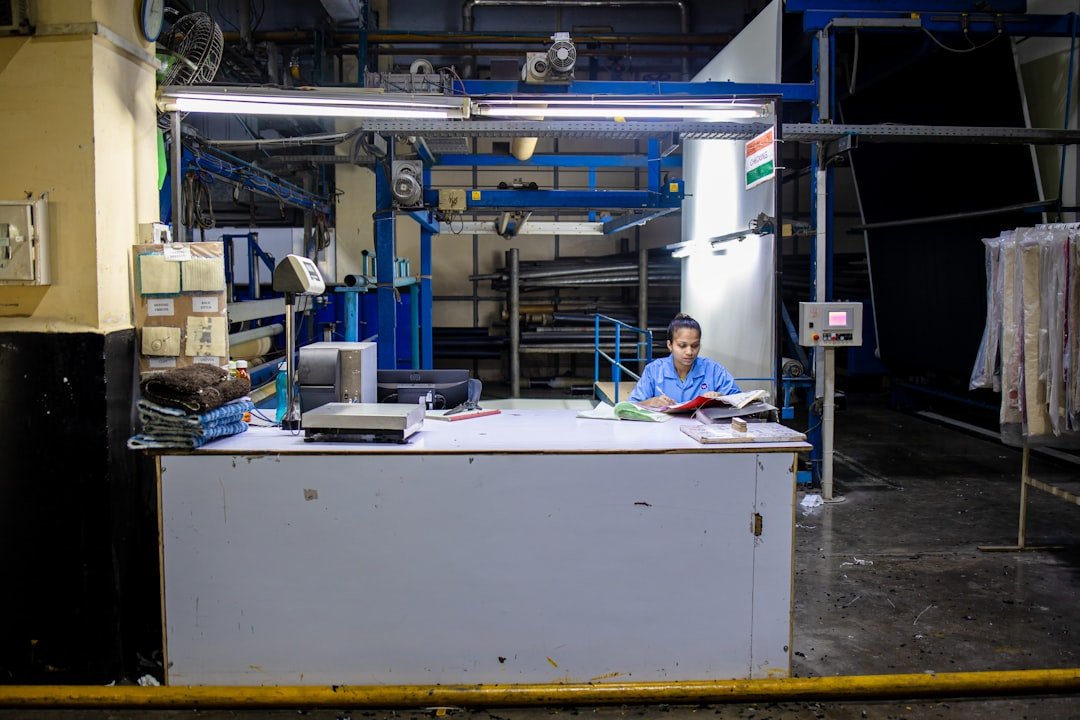
Employee turnover in the retail sector results from multiple interconnected factors. Job dissatisfaction represents a primary cause, often stemming from insufficient engagement or fulfillment in routine responsibilities. Retail employees typically experience challenging working conditions, including extended hours, elevated customer service demands, and pressure to achieve sales quotas.
When employees experience stress or feel underappreciated, their commitment to remaining with their employer weakens. The repetitive nature of retail work frequently leads to monotony and reduced engagement, which directly contributes to higher turnover rates. Limited career advancement opportunities constitute another major factor affecting employee retention.
Many retail workers occupy part-time or entry-level roles with minimal prospects for promotion or skill development. This situation particularly affects younger workforce entrants, who typically value career progression and personal development. Additionally, broader economic conditions and competitive labor markets influence turnover rates.
When alternative employment opportunities become available, employees are more likely to pursue positions offering improved compensation, benefits, or career trajectories.
Developing a Strong Recruitment and Hiring Process
A robust recruitment and hiring process is essential for reducing employee turnover in retail. The first step in this process is to clearly define the roles and responsibilities associated with each position. By creating detailed job descriptions that outline expectations, required skills, and potential career paths, employers can attract candidates who are not only qualified but also aligned with the company’s culture and values.
This alignment is crucial, as it increases the likelihood that new hires will feel a sense of belonging and commitment to the organization. Moreover, utilizing a variety of recruitment channels can enhance the hiring process. Traditional methods such as job postings on company websites and local newspapers should be complemented by modern approaches like social media recruitment and employee referral programs.
Engaging with potential candidates through platforms like LinkedIn or Instagram allows companies to showcase their brand and culture, making them more appealing to prospective employees. Additionally, implementing a structured interview process that includes behavioral assessments can help identify candidates who possess not only the necessary skills but also the right attitude and fit for the team.
Implementing Comprehensive Training and Development Programs
Once employees are hired, it is crucial to invest in comprehensive training and development programs. Effective onboarding processes should go beyond basic orientation; they should immerse new hires in the company culture while equipping them with the skills needed to succeed in their roles. This includes training on customer service best practices, product knowledge, and operational procedures.
A well-structured onboarding program can significantly reduce early turnover by ensuring that employees feel competent and confident in their abilities from day one. In addition to initial training, ongoing development opportunities are vital for retaining talent in the retail sector. Offering workshops, seminars, and online courses can help employees enhance their skills and stay updated on industry trends.
For instance, retailers can provide training on new technologies or sales techniques that can improve performance and customer satisfaction. Furthermore, encouraging employees to pursue certifications or further education related to their roles not only benefits the organization but also demonstrates a commitment to their professional growth, fostering loyalty and reducing turnover.
Creating a Positive and Supportive Work Environment
A positive work environment plays a critical role in employee retention within the retail industry. This encompasses not only physical aspects of the workplace but also the emotional and social dynamics among staff members. Retailers should strive to create an atmosphere where employees feel valued, respected, and supported by their peers and management.
This can be achieved through team-building activities, recognition programs, and open-door policies that encourage communication between staff and leadership. Moreover, fostering a culture of inclusivity and diversity can significantly enhance employee satisfaction. When employees see themselves represented within the organization and feel that their unique perspectives are valued, they are more likely to develop a sense of belonging.
Retailers can implement initiatives that promote diversity training and create employee resource groups that support underrepresented communities within the workforce. By prioritizing a supportive work environment, retailers can cultivate a loyal workforce that is less likely to seek employment elsewhere.
Offering Competitive Compensation and Benefits
| Strategy | Key Metrics | Target Outcome | Example Implementation |
|---|---|---|---|
| Improved Hiring Process | Time to Hire, Quality of Hire Score | Reduce early turnover by 20% | Structured interviews and skills assessments |
| Comprehensive Onboarding | New Hire Retention Rate (first 90 days), Onboarding Satisfaction Score | Increase 90-day retention to 85% | Mentorship programs and detailed orientation sessions |
| Competitive Compensation & Benefits | Employee Satisfaction Index, Turnover Rate | Lower turnover by 15% within 1 year | Regular market salary reviews and benefits enhancements |
| Career Development Opportunities | Internal Promotion Rate, Training Participation Rate | Increase promotions by 25%, improve engagement | Skill development workshops and clear career paths |
| Employee Engagement Initiatives | Employee Net Promoter Score (eNPS), Absenteeism Rate | Boost eNPS by 10 points, reduce absenteeism | Regular feedback sessions and team-building activities |
| Flexible Scheduling | Schedule Satisfaction Score, Turnover Rate | Improve schedule satisfaction by 30%, reduce turnover | Shift swapping apps and flexible shift options |
| Recognition and Rewards Programs | Employee Recognition Frequency, Retention Rate | Increase recognition events by 50%, improve retention | Monthly awards and peer recognition platforms |
Compensation is a fundamental factor influencing employee retention in retail. To attract and retain top talent, retailers must offer competitive wages that reflect the skills and experience of their employees. Conducting regular market analyses to ensure that pay rates are aligned with industry standards is essential for maintaining competitiveness.
Additionally, offering performance-based incentives can motivate employees to excel in their roles while reinforcing their commitment to the organization. Beyond salary, comprehensive benefits packages are increasingly important in attracting and retaining retail employees. Health insurance, retirement plans, paid time off, and flexible scheduling options are all attractive perks that can enhance job satisfaction.
For instance, providing access to mental health resources or wellness programs demonstrates an employer’s commitment to employee well-being. Retailers who prioritize competitive compensation and benefits not only improve employee morale but also reduce turnover by making their positions more appealing compared to competitors.
Providing Opportunities for Advancement and Growth
Creating pathways for career advancement is crucial for retaining talent in the retail sector. Employees are more likely to stay with an organization if they see clear opportunities for growth within it. Retailers should establish transparent promotion criteria and communicate these pathways to employees regularly.
This could involve creating mentorship programs where experienced staff guide newer employees through their career development journey. Additionally, offering cross-training opportunities allows employees to gain experience in different areas of the business, broadening their skill sets while increasing their value to the organization. For example, a sales associate might be trained in inventory management or visual merchandising, preparing them for future roles within the company.
By investing in employee development and providing clear advancement opportunities, retailers can foster loyalty among their workforce while simultaneously enhancing overall operational efficiency.
Establishing Clear Communication and Feedback Channels
Effective communication is vital for maintaining employee engagement and satisfaction in retail environments. Establishing clear channels for communication ensures that employees feel heard and valued within the organization. Regular check-ins between managers and staff can facilitate open dialogue about job performance, challenges faced on the floor, and suggestions for improvement.
This two-way communication fosters trust and encourages employees to voice their concerns or ideas without fear of retribution. Moreover, implementing structured feedback mechanisms such as performance reviews or employee surveys can provide valuable insights into employee satisfaction levels. These tools allow management to gauge how well they are meeting employee needs while identifying areas for improvement within the organization.
By actively seeking feedback and demonstrating a willingness to act on it, retailers can create a culture of continuous improvement that enhances employee morale and reduces turnover.
Implementing Exit Interviews and Continuous Improvement Processes
Exit interviews serve as a critical tool for understanding why employees leave an organization. Conducting these interviews allows retailers to gather valuable insights into potential issues within the workplace that may contribute to turnover rates. By asking departing employees about their experiences—such as management practices, work-life balance, or opportunities for growth—retailers can identify patterns or recurring themes that need addressing.
Furthermore, using this feedback as part of a continuous improvement process enables organizations to make informed changes that enhance employee retention strategies over time. For instance, if exit interviews reveal that many employees leave due to inadequate training or lack of advancement opportunities, retailers can take proactive steps to revamp their training programs or establish clearer career pathways. By treating exit interviews as an opportunity for growth rather than merely a formality, retailers can create a more resilient workforce while reducing future turnover rates.
FAQs
What are common causes of high employee turnover in retail?
High employee turnover in retail is often caused by factors such as low wages, limited career advancement opportunities, high job stress, irregular or long working hours, lack of employee recognition, and inadequate training or support.
How can retailers reduce employee turnover?
Retailers can reduce employee turnover by offering competitive wages and benefits, providing clear career development paths, improving workplace culture, offering flexible scheduling, recognizing and rewarding employee contributions, and investing in comprehensive training programs.
Why is employee turnover costly for retail businesses?
Employee turnover is costly because it leads to expenses related to recruiting, hiring, and training new staff. It also disrupts customer service continuity, reduces team morale, and can negatively impact overall productivity and sales.
What role does employee engagement play in managing turnover?
Employee engagement is crucial in managing turnover as engaged employees are more likely to feel valued and satisfied with their jobs, leading to higher retention rates. Engaged employees tend to be more productive, motivated, and committed to the company.
Are exit interviews effective in understanding turnover?
Yes, exit interviews can be effective tools for understanding the reasons behind employee departures. They provide valuable insights that can help retailers identify patterns and implement strategies to improve retention.
How important is training in reducing turnover in retail?
Training is very important as it equips employees with the skills and confidence needed to perform their jobs effectively. Well-trained employees are more likely to feel competent and satisfied, which can reduce turnover rates.
Can flexible scheduling help manage employee turnover?
Yes, flexible scheduling can help manage turnover by accommodating employees’ personal needs and improving work-life balance, which increases job satisfaction and loyalty.
What strategies can improve employee retention in retail?
Strategies to improve retention include offering competitive pay, providing opportunities for advancement, fostering a positive work environment, recognizing employee achievements, offering training and development, and ensuring effective communication between management and staff.