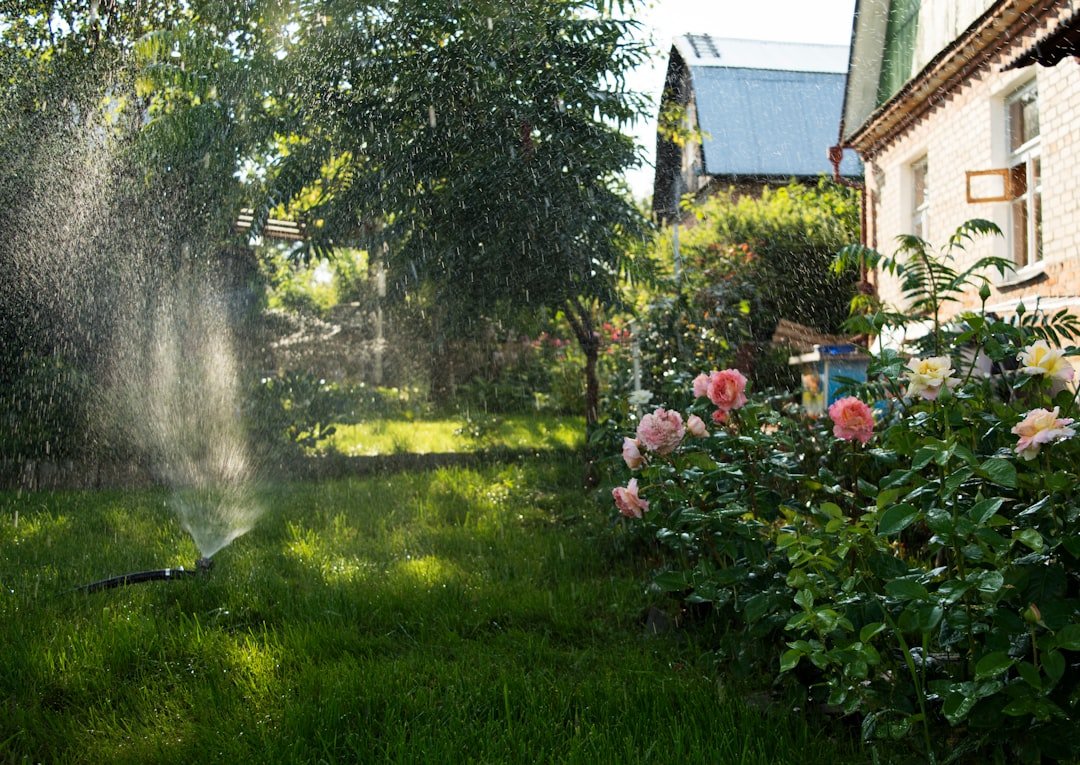
Effective irrigation management begins with a thorough assessment of the landscape where the system will operate. This assessment must include the land’s physical characteristics, such as soil composition, terrain, and current plant life, as well as the specific crops intended for cultivation. These factors directly determine which irrigation methods will perform most efficiently.
Soil type significantly affects water retention and drainage rates. Sandy soils have high drainage rates and require more frequent irrigation cycles, while clay soils retain moisture longer but risk waterlogging under excessive irrigation. Topography also plays a critical role in water distribution.
Sloped terrain causes water to run off the surface rather than penetrate the soil, resulting in uneven moisture distribution. Flat terrain may cause water to accumulate in certain areas without proper management. Accounting for these landscape variations enables the development of an irrigation system tailored to specific site conditions, improving water efficiency and reducing waste.
Regional climate patterns, including average precipitation and temperature ranges, must also be incorporated into the planning phase. A comprehensive understanding of these environmental and physical factors provides the necessary foundation for designing an effective irrigation strategy.
Choosing the Right Irrigation System
Selecting the appropriate irrigation system is pivotal to achieving optimal water management. Various systems are available, each with its own advantages and disadvantages. For instance, traditional sprinkler systems are widely used due to their versatility and ease of installation.
They can cover large areas and are suitable for a variety of crops and landscapes. However, they may not be the most efficient choice for all situations, particularly in areas prone to wind or evaporation losses. On the other hand, drip irrigation systems have gained popularity for their precision and efficiency.
By delivering water directly to the root zone of plants, they minimize evaporation and runoff, making them ideal for arid regions or where water conservation is a priority. However, they require a higher initial investment and more meticulous maintenance to prevent clogging. Ultimately, the choice of irrigation system should align with specific agricultural goals, budget constraints, and environmental considerations.
A thorough assessment of these factors will guide landowners toward a system that not only meets their immediate needs but also supports long-term sustainability.
Proper Placement of Sprinklers
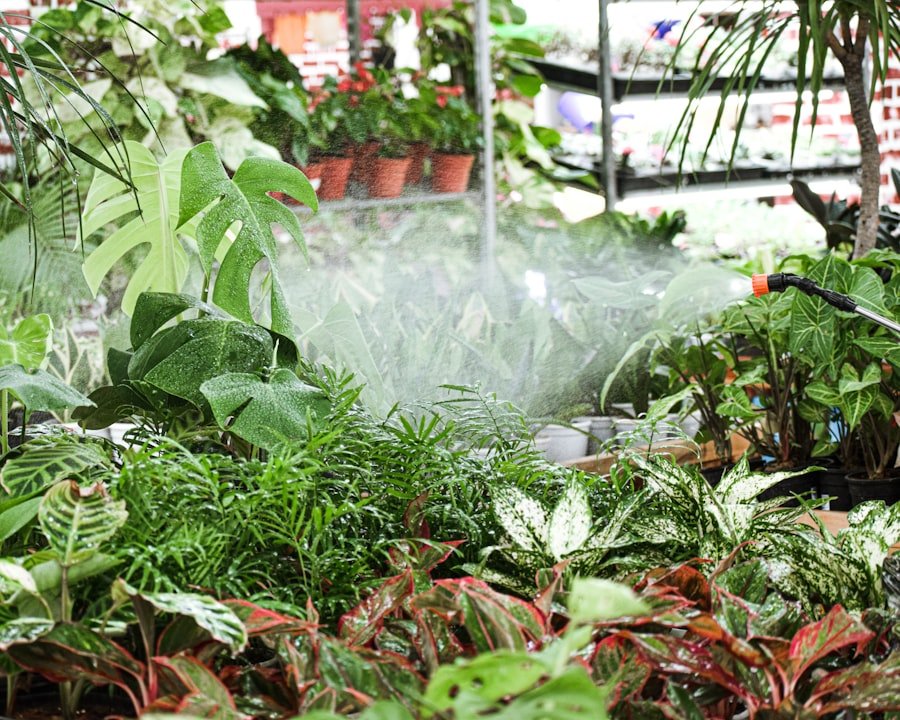
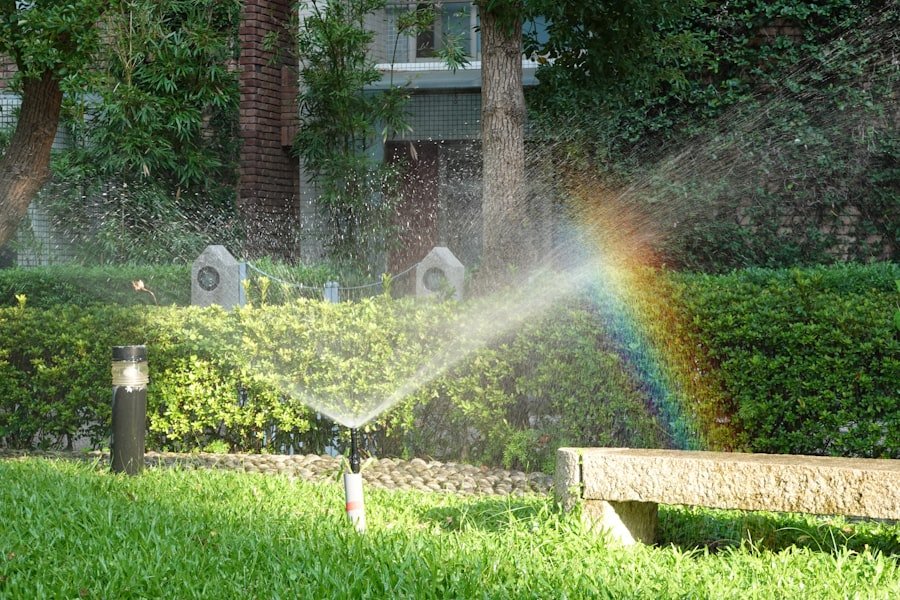
The strategic placement of sprinklers is essential for ensuring uniform water distribution across the landscape. When positioning sprinklers, it is crucial to consider factors such as plant spacing, sprinkler type, and wind direction. For example, rotating sprinklers can cover a larger area but may require careful placement to avoid overspray onto non-target areas like sidewalks or driveways.
In contrast, fixed spray heads are more predictable but may necessitate closer spacing to achieve adequate coverage. Moreover, understanding the reach and pattern of each sprinkler type is vital for maximizing efficiency. Conducting a test run can help identify any dry spots or areas receiving excessive water.
Adjustments can then be made to either the sprinkler heads or their positioning to ensure that every plant receives an adequate amount of moisture without wastage. Additionally, incorporating zones based on plant water requirements can further enhance efficiency; grouping plants with similar needs allows for tailored watering schedules that prevent over- or under-watering.
Utilizing Drip Irrigation
Drip irrigation stands out as one of the most efficient methods for delivering water directly to plants’ roots. This system operates by using a network of tubing and emitters that release water slowly and precisely at the base of each plant. The primary advantage of drip irrigation lies in its ability to minimize evaporation and runoff, making it particularly beneficial in regions where water conservation is critical.
For instance, in arid climates like those found in parts of California or Arizona, drip systems have been shown to reduce water usage by up to 50% compared to traditional sprinkler systems. Implementing drip irrigation requires careful planning and design to ensure optimal performance. Factors such as emitter flow rate, spacing between emitters, and the overall layout of the tubing must be considered to match the specific needs of different plants.
Additionally, regular monitoring is essential to maintain system efficiency; clogged emitters can lead to uneven watering and negatively impact plant health. By investing in drip irrigation technology and adhering to best practices in its implementation, growers can achieve significant water savings while promoting healthier plant growth.
Incorporating Weather Sensors
| Metric | Value | Unit | Notes |
|---|---|---|---|
| Water Savings | 30-50 | Percent | Compared to traditional irrigation systems |
| Installation Cost | 1500-3500 | USD | Average cost for a residential system |
| System Lifespan | 10-15 | Years | Typical operational lifespan |
| Energy Consumption Reduction | 20-40 | Percent | Compared to conventional electric irrigation pumps |
| Typical Coverage Area | 500-2000 | Square meters | Area covered by a standard residential system |
| Maintenance Frequency | 1-2 | Times per year | Recommended system check-ups |
| Average Water Pressure | 20-40 | PSI | Optimal operating pressure range |
| Emission Reduction | 15-25 | Percent | Reduction in greenhouse gases due to energy savings |
Integrating weather sensors into an irrigation system can significantly enhance its efficiency by providing real-time data on environmental conditions. These sensors measure factors such as temperature, humidity, rainfall, and soil moisture levels, allowing for more informed decision-making regarding irrigation schedules. For example, if a rain sensor detects recent precipitation, it can automatically adjust or suspend watering cycles to prevent over-irrigation.
Moreover, advanced weather stations can provide forecasts that help anticipate changes in weather patterns. This information enables growers to proactively adjust their irrigation practices based on expected rainfall or temperature fluctuations. By utilizing weather sensors, farmers can optimize their water usage while ensuring that crops receive adequate moisture during critical growth periods.
The integration of technology into traditional irrigation practices represents a significant advancement in sustainable agriculture.
Monitoring and Adjusting Water Usage
Continuous monitoring and adjustment of water usage are essential components of effective irrigation management. Regularly assessing soil moisture levels can help determine when and how much to irrigate. Soil moisture sensors can provide valuable insights into the moisture content at various depths, allowing for precise watering that aligns with plant needs.
This data-driven approach minimizes waste and ensures that plants receive just the right amount of water. In addition to soil moisture monitoring, tracking weather patterns and seasonal changes is crucial for adjusting irrigation schedules accordingly. For instance, during periods of high rainfall or cooler temperatures, it may be necessary to reduce watering frequency or duration.
Conversely, during hot summer months or drought conditions, increasing water application may be required to support plant health. By maintaining flexibility in irrigation practices and being responsive to changing conditions, growers can optimize their water usage while promoting sustainable agricultural practices.
Proper Maintenance and Upkeep
Regular maintenance of irrigation systems is vital for ensuring their long-term efficiency and effectiveness. Neglecting maintenance can lead to issues such as clogged emitters, broken pipes, or malfunctioning timers that compromise water delivery. Routine inspections should include checking for leaks, ensuring that all components are functioning correctly, and cleaning filters or emitters as needed.
Seasonal maintenance is also important; before winter sets in, systems should be drained to prevent freezing damage. Conversely, springtime inspections should focus on reactivating systems and making any necessary adjustments based on previous season performance. By establishing a consistent maintenance schedule and addressing issues promptly, growers can extend the lifespan of their irrigation systems while maximizing their efficiency.
Seeking Professional Assistance
While many aspects of irrigation management can be handled independently by growers, seeking professional assistance can provide invaluable expertise and insights that enhance overall effectiveness. Irrigation specialists possess extensive knowledge about various systems and technologies available on the market today. They can conduct thorough assessments of existing setups and recommend improvements tailored to specific landscapes and crop types.
Additionally, professionals can assist with the design and installation of new systems, ensuring that they are optimized for efficiency from the outset. Their experience in troubleshooting common issues can save time and resources in the long run by preventing costly mistakes or inefficiencies. Engaging with experts not only enhances operational efficiency but also fosters a deeper understanding of best practices in irrigation management that can benefit growers for years to come.
FAQs
What are energy-efficient outdoor irrigation systems?
Energy-efficient outdoor irrigation systems are watering setups designed to minimize water and energy use while maintaining healthy plant growth. They often include technologies like drip irrigation, smart controllers, and rain sensors to optimize water delivery.
Why should I install an energy-efficient irrigation system?
Installing an energy-efficient irrigation system helps conserve water, reduce utility bills, and lower your environmental impact. These systems also promote healthier plants by providing precise watering tailored to specific needs.
What types of energy-efficient irrigation systems are available?
Common types include drip irrigation, which delivers water directly to plant roots; smart irrigation controllers that adjust watering schedules based on weather data; and rain sensors that prevent watering during rainfall.
How do smart irrigation controllers save energy?
Smart controllers use weather forecasts, soil moisture data, and plant requirements to adjust watering times and amounts automatically, reducing unnecessary water and energy use.
Can I install an energy-efficient irrigation system myself?
Many systems can be installed by homeowners with basic DIY skills, especially drip irrigation kits. However, complex systems with smart controllers or large-scale setups may require professional installation.
What maintenance is required for energy-efficient irrigation systems?
Regular maintenance includes checking for leaks, cleaning filters and emitters, adjusting sprinkler heads, and updating smart controller settings to ensure optimal performance.
Are energy-efficient irrigation systems cost-effective?
While initial installation costs may be higher than traditional systems, energy-efficient irrigation systems typically save money over time through reduced water and energy bills.
Do energy-efficient irrigation systems work in all climates?
Yes, these systems can be adapted to various climates by selecting appropriate components and programming watering schedules based on local weather and plant needs.
How do rain sensors contribute to energy efficiency?
Rain sensors detect rainfall and temporarily disable irrigation systems, preventing unnecessary watering and conserving both water and energy.
Where can I purchase energy-efficient irrigation system components?
Components are available at garden centers, home improvement stores, and online retailers specializing in irrigation and landscaping products.