Soundproofing is an important consideration in both residential and commercial spaces, as it directly affects comfort, privacy, and productivity. Noise sources include traffic, neighboring units, and internal sounds from appliances or conversations. In urban areas, where buildings are located in close proximity, noise pollution presents a significant challenge.
Soundproofing improves quality of life by creating a quieter environment and supports mental well-being. Research indicates that prolonged exposure to excessive noise can cause stress, anxiety, and sleep disruption, making soundproofing a necessary component of contemporary living. Soundproofing also improves the functionality of spaces.
In a home office, reducing external noise increases concentration and work output. In a music studio, soundproofing prevents sound from escaping, which could interfere with recordings or disturb adjacent occupants. In apartment buildings, adequate soundproofing reduces disturbances between units and improves relationships among residents.
Soundproofing serves purposes beyond comfort; it creates environments suitable for work, rest, and creative activities.
Identifying Problem Areas in Your Room
Before embarking on a soundproofing project, it is essential to identify the specific areas in your room that contribute to noise infiltration. Common culprits include walls, floors, ceilings, windows, and doors. Walls are often the primary source of sound transmission, especially in shared living spaces.
To assess the effectiveness of your current sound barriers, consider conducting a simple test: play music or create noise in one room while standing in an adjacent space. This will help you pinpoint which walls allow sound to pass through most easily. Floors can also be significant contributors to noise issues, particularly in multi-story buildings where footsteps and other activities can be heard from below.
If you live in an apartment or a condo, pay attention to the sounds that travel through the floor and ceiling. Additionally, windows and doors are often overlooked but can be major sources of sound leakage. Gaps around frames or single-pane glass can allow significant noise to enter your space.
By systematically evaluating these areas, you can create a targeted plan for your soundproofing efforts.
Choosing the Right Materials for Soundproofing
Selecting appropriate materials is crucial for effective soundproofing. Various options are available, each with its unique properties and applications. Mass-loaded vinyl (MLV) is a popular choice due to its density and flexibility, making it ideal for walls and ceilings.
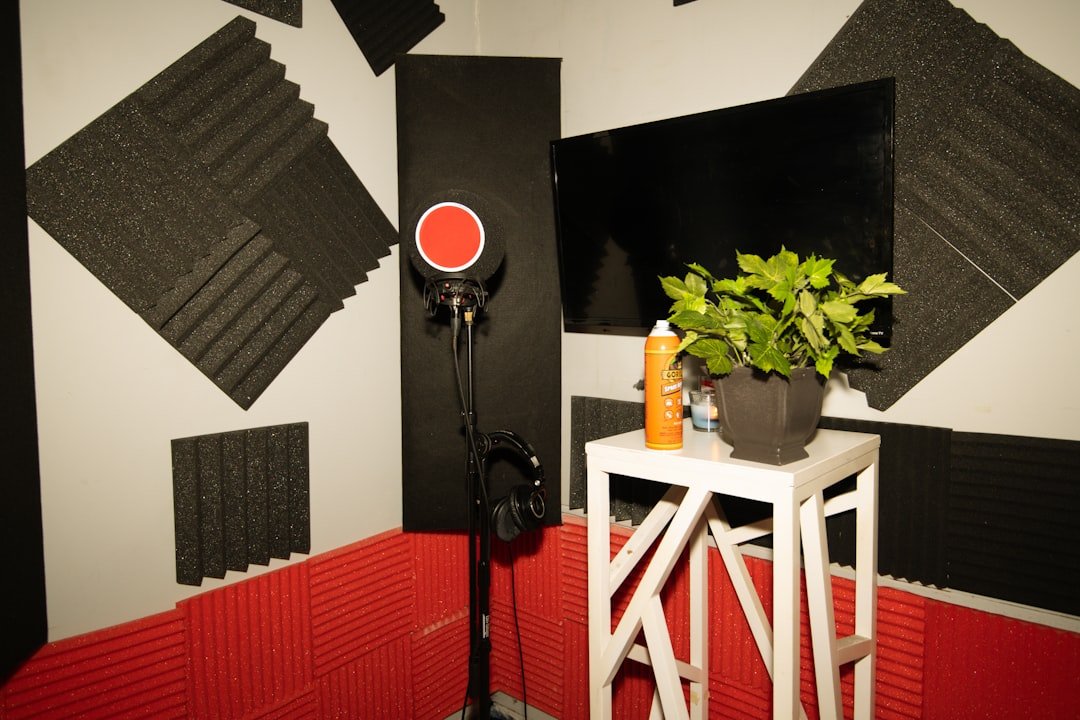
It can be easily installed under drywall or as a standalone barrier. Acoustic panels are another effective solution; they absorb sound waves and reduce echo within a room. These panels come in various designs and colors, allowing for both functionality and aesthetic appeal.
In addition to MLV and acoustic panels, insulation materials such as fiberglass or mineral wool can significantly enhance soundproofing efforts. These materials are typically installed within wall cavities and ceilings to dampen sound transmission. For floors, rubber mats or carpets can provide an additional layer of sound absorption.
When selecting materials, consider factors such as cost, ease of installation, and the specific type of noise you are trying to mitigate—whether it’s airborne noise (like voices or music) or impact noise (like footsteps).
DIY Soundproofing Techniques for Walls
When it comes to soundproofing walls, several DIY techniques can be employed effectively without requiring professional assistance. One common method is to add mass to the walls by installing additional layers of drywall. This technique not only increases the wall’s density but also helps to dampen vibrations that carry sound.
For optimal results, consider using a specialized soundproof drywall that incorporates sound-dampening technology. Another effective approach is to use acoustic caulk to seal gaps and cracks around outlets, baseboards, and other wall penetrations. This prevents sound from leaking through small openings that might otherwise go unnoticed.
Additionally, hanging heavy curtains or tapestries on walls can absorb sound waves and reduce echo within the room. These decorative elements not only serve a functional purpose but also enhance the overall aesthetic of your space.
DIY Soundproofing Techniques for Floors
| Method | Effectiveness | Cost | Ease of Implementation | Materials Needed | Estimated Time |
|---|---|---|---|---|---|
| Seal Gaps and Cracks | High | Low | Easy | Acoustic caulk, weatherstripping | 1-2 hours |
| Use Heavy Curtains | Medium | Low to Medium | Easy | Thick, dense curtains | 30 minutes |
| Add Rugs or Carpets | Medium | Low to Medium | Easy | Rugs, carpets, padding | 30 minutes |
| Install Door Sweeps | High | Low | Easy | Door sweep, screwdriver | 15-30 minutes |
| Use Soundproofing Panels | High | Medium | Moderate | Acoustic foam panels, adhesive | 1-3 hours |
| Fill Electrical Outlets | Low to Medium | Low | Easy | Foam gaskets, outlet sealers | 15 minutes |
| Use Bookshelves as Barriers | Medium | Low to Medium | Easy | Bookshelves, books | Varies |
Soundproofing floors requires a different set of techniques compared to walls but is equally important for creating a quiet environment. One effective method is to install thick carpets or rugs with dense padding underneath. This combination not only absorbs impact noise but also reduces airborne sounds that may travel through the floor structure.
For those who prefer hard flooring options like hardwood or laminate, consider adding area rugs strategically in high-traffic areas. Another DIY technique involves using soundproof underlayment beneath flooring materials. This layer acts as a barrier that dampens vibrations and reduces noise transmission between floors.
Products made from rubber or cork are particularly effective for this purpose. If you have access to the subfloor, adding mass-loaded vinyl or additional layers of plywood can further enhance soundproofing capabilities by increasing density and reducing resonance.
DIY Soundproofing Techniques for Windows and Doors
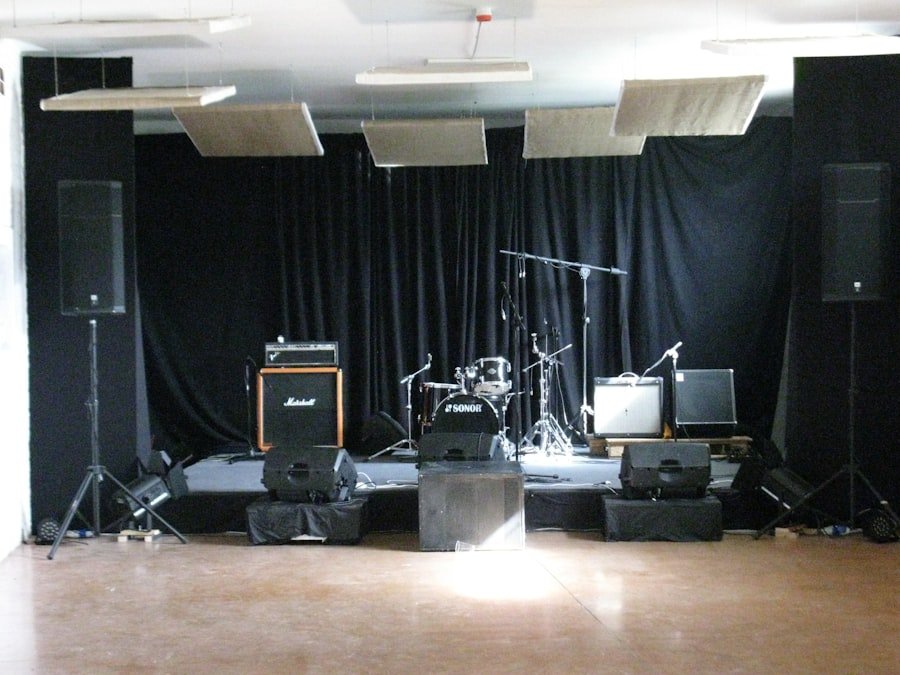
Windows and doors are often significant sources of noise infiltration due to their construction and the presence of gaps around frames. To effectively soundproof these areas, start by applying weatherstripping around door frames to create a tight seal when closed. This simple yet effective solution can drastically reduce noise from outside while also improving energy efficiency.
For windows, consider using double-glazed glass if replacement is an option; however, if you prefer a more budget-friendly approach, window inserts can be an excellent alternative. These inserts fit snugly over existing windows and create an additional air gap that helps block sound transmission. Additionally, heavy curtains or acoustic blinds can be employed to absorb sound waves while providing privacy and light control.
Maintaining a Balance between Soundproofing and Aesthetics
While the primary goal of soundproofing is to create a quieter environment, it is essential to maintain a balance between functionality and aesthetics. Many soundproofing materials can be visually unappealing if not integrated thoughtfully into the design of a room. For instance, acoustic panels come in various colors and designs that can complement your existing decor rather than detract from it.
Incorporating decorative elements such as artwork or shelving can also help disguise soundproofing materials while enhancing the overall look of the space. When selecting colors and textures for acoustic treatments or wall coverings, consider how they will interact with other design elements in the room. By approaching soundproofing with an eye for aesthetics, you can create a harmonious environment that is both visually appealing and acoustically effective.
Testing and Evaluating the Effectiveness of Your Soundproofing Efforts
Once you have implemented your soundproofing strategies, it is crucial to evaluate their effectiveness to ensure that your efforts have yielded the desired results. One straightforward method is to conduct a listening test by playing sounds at various volumes in one room while assessing how much noise penetrates into adjacent spaces. This will help you identify any remaining weak points in your sound barriers.
Additionally, consider using a decibel meter app on your smartphone to measure noise levels before and after your soundproofing project. This quantitative approach provides concrete data on how much noise reduction has been achieved. If certain areas still allow excessive noise penetration, you may need to revisit your strategies and make adjustments accordingly—whether that means adding more mass to walls or sealing additional gaps around windows and doors.
By systematically addressing each aspect of soundproofing—from identifying problem areas to selecting appropriate materials—you can create a more peaceful living or working environment tailored to your specific needs.
FAQs
What are some easy ways to soundproof a room without professional help?
You can use weatherstripping on doors and windows, add heavy curtains or blankets, place rugs or carpets on the floor, and use bookcases or furniture against walls to help absorb sound.
Can I soundproof a room using household items?
Yes, common household items like thick blankets, pillows, rugs, and furniture can help reduce noise by absorbing sound waves and minimizing echoes.
Does sealing gaps around doors and windows help with soundproofing?
Yes, sealing gaps with weatherstripping or caulk prevents sound from leaking through cracks and significantly improves soundproofing.
Will adding rugs or carpets reduce noise in a room?
Yes, rugs and carpets absorb sound, especially impact noise from footsteps, and help reduce echo within a room.
Are heavy curtains effective for soundproofing?
Heavy or specially designed soundproof curtains can help block outside noise and reduce sound transmission through windows.
Is it necessary to use professional materials for soundproofing?
While professional materials like acoustic panels and soundproof drywall are effective, many DIY methods using household items can also improve soundproofing without professional help.
Can rearranging furniture help with soundproofing?
Yes, placing large furniture like bookshelves or sofas against walls can help absorb sound and reduce noise transmission.
Will adding foam panels to walls help soundproof a room?
Acoustic foam panels can reduce echo and improve sound quality inside a room but may not block noise from entering or leaving the room entirely.
Is soundproofing the same as sound absorption?
No, soundproofing blocks or reduces sound transmission between spaces, while sound absorption reduces echo and reverberation within a room.
How much does it cost to soundproof a room without professional help?
Costs vary depending on materials used, but DIY soundproofing can be done affordably using household items and inexpensive materials like weatherstripping and curtains.