Autoimmune conditions occur when the immune system mistakenly attacks the body’s own healthy cells instead of protecting against pathogens. This aberrant immune response causes inflammation and tissue damage across various organs and systems, producing diverse symptoms that can substantially reduce quality of life. Over 80 autoimmune diseases have been identified, including rheumatoid arthritis, lupus, multiple sclerosis, and type 1 diabetes.
While each condition presents distinct symptoms and clinical challenges, all share a common characteristic: dysregulation of the immune system. The precise etiology of autoimmune diseases remains incompletely understood, though evidence indicates that genetic susceptibility, environmental factors, and lifestyle elements contribute significantly to disease development. Infections, toxic exposures, and certain dietary components can serve as triggering agents for these conditions.
Elucidating the pathophysiological mechanisms underlying autoimmune diseases is critical for establishing effective management approaches. This understanding includes recognizing inflammation’s central role in disease progression and identifying methods to modulate inflammatory responses through various therapeutic interventions, including nutritional approaches.
Importance of Nutrition in Managing Autoimmune Conditions
Nutrition plays a pivotal role in managing autoimmune conditions, as it can directly influence inflammation levels and overall immune function. A well-balanced diet can help mitigate symptoms, reduce flare-ups, and improve the quality of life for those affected by these diseases. Research has shown that certain dietary patterns can either exacerbate or alleviate autoimmune symptoms.
For example, diets high in processed foods, sugars, and unhealthy fats may promote inflammation, while whole foods rich in nutrients can support healing and recovery. Moreover, nutrition is not just about what one eats; it also encompasses how food interacts with the body’s immune system. Certain foods can provide anti-inflammatory benefits, while others may trigger immune responses that worsen symptoms.
Therefore, understanding the relationship between diet and autoimmune conditions is crucial for individuals seeking to manage their health effectively. By adopting an anti-inflammatory diet tailored to their specific needs, individuals can empower themselves to take control of their health journey.
Key Nutrients for Healing Meals
When it comes to crafting meals that support healing in autoimmune conditions, certain nutrients stand out for their beneficial properties. Omega-3 fatty acids are among the most important; found in fatty fish like salmon and walnuts, these healthy fats have been shown to reduce inflammation and support heart health. They play a critical role in modulating the immune response and can help alleviate symptoms associated with various autoimmune diseases.
Antioxidants are another key component of a healing diet. Foods rich in vitamins A, C, and E, as well as selenium and zinc, help combat oxidative stress in the body. Berries, leafy greens, nuts, and seeds are excellent sources of these nutrients.
Antioxidants work by neutralizing free radicals that can cause cellular damage and contribute to inflammation. Additionally, vitamin D has garnered attention for its role in immune regulation; low levels of this vitamin have been linked to several autoimmune diseases. Incorporating foods fortified with vitamin D or spending time in sunlight can help maintain adequate levels.
Meal Planning for Autoimmune Conditions
Effective meal planning is essential for individuals managing autoimmune conditions. It allows for better control over food choices and ensures that meals are nutrient-dense and tailored to individual needs. A well-structured meal plan can help avoid trigger foods that may exacerbate symptoms while promoting the intake of healing foods that support overall health.
The first step in meal planning is identifying personal food sensitivities or allergies through an elimination diet or consultation with a healthcare professional. Once potential triggers are identified, individuals can focus on creating a balanced meal plan that includes a variety of whole foods. This might involve incorporating lean proteins, healthy fats, whole grains (if tolerated), and plenty of fruits and vegetables into daily meals.
Planning ahead also means preparing snacks that align with dietary goals to avoid reaching for unhealthy options during busy times. By dedicating time each week to meal prep and planning, individuals can set themselves up for success in managing their autoimmune conditions.
Healing Foods to Incorporate in Meal Prep
| Meal Component | Key Ingredients | Anti-Inflammatory Benefits | Preparation Time | Calories (per serving) |
|---|---|---|---|---|
| Breakfast Bowl | Quinoa, Blueberries, Chia Seeds, Almond Milk | Rich in antioxidants and omega-3 fatty acids to reduce inflammation | 10 minutes | 350 |
| Lunch Salad | Kale, Avocado, Walnuts, Turmeric Dressing | High in vitamins and curcumin, supports immune regulation | 15 minutes | 400 |
| Dinner Stir-Fry | Salmon, Broccoli, Ginger, Garlic | Omega-3s and anti-inflammatory compounds help reduce joint pain | 20 minutes | 500 |
| Snack | Carrot sticks, Hummus | Fiber and antioxidants support gut health and reduce inflammation | 5 minutes | 150 |
Incorporating healing foods into meal prep is vital for those managing autoimmune conditions. Leafy greens such as spinach and kale are nutrient powerhouses packed with vitamins A, C, K, and minerals like iron and calcium. These greens can be easily added to smoothies, salads, or stir-fries for an extra nutritional boost.
Cruciferous vegetables like broccoli and Brussels sprouts also offer anti-inflammatory benefits due to their high content of glucosinolates. Fermented foods should not be overlooked either; they are rich in probiotics that support gut health—a critical aspect of managing autoimmune conditions. Foods like yogurt (dairy-free options are available), sauerkraut, kimchi, and kefir can enhance gut microbiota diversity and improve digestion.
Additionally, incorporating spices such as turmeric and ginger into meals can provide anti-inflammatory effects due to their active compounds—curcumin in turmeric and gingerol in ginger—making them excellent additions to soups, stews, or marinades.
Meal Prep Tips for Autoimmune Conditions

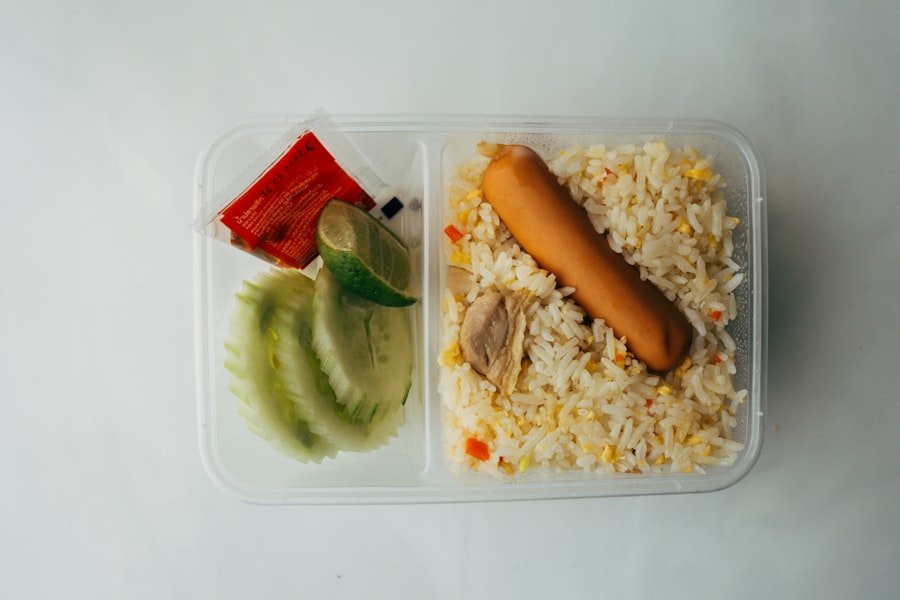
Meal prep can be a game-changer for individuals with autoimmune conditions looking to maintain a healthy diet amidst busy schedules. One effective strategy is batch cooking; preparing large quantities of staple foods such as grains (quinoa or brown rice), proteins (grilled chicken or legumes), and roasted vegetables at the beginning of the week allows for quick assembly of meals throughout the week. This not only saves time but also ensures that healthy options are readily available.
Another tip is to invest in quality storage containers that keep food fresh and organized. Clear containers make it easy to see what’s available at a glance, reducing the likelihood of food waste. Labeling containers with dates can also help track freshness.
Additionally, consider creating a weekly menu that outlines meals for each day; this not only simplifies grocery shopping but also helps maintain variety in the diet—an important factor in preventing dietary fatigue.
Recipes for Healing Meals
Creating delicious healing meals doesn’t have to be complicated; simple recipes can be both nutritious and satisfying. A quinoa salad with roasted vegetables is an excellent option; combine cooked quinoa with roasted sweet potatoes, bell peppers, zucchini, and a handful of spinach. Drizzle with olive oil and lemon juice for added flavor while providing healthy fats and antioxidants.
Another easy recipe is a turmeric-infused chicken soup. Start by sautéing onions, garlic, and ginger in olive oil until fragrant. Add diced chicken breast along with carrots and celery; season with turmeric, black pepper (which enhances curcumin absorption), and low-sodium chicken broth.
Simmer until the chicken is cooked through and vegetables are tender. This comforting soup not only warms the soul but also delivers anti-inflammatory benefits.
Additional Lifestyle Factors to Consider for Managing Autoimmune Conditions
While nutrition plays a significant role in managing autoimmune conditions, other lifestyle factors should not be overlooked. Stress management is crucial; chronic stress can exacerbate symptoms by triggering inflammatory responses in the body. Techniques such as mindfulness meditation, yoga, or deep-breathing exercises can help reduce stress levels and promote relaxation.
Physical activity is another important aspect; regular exercise has been shown to improve mood and reduce inflammation. However, it’s essential to find a balance that works for individual energy levels—some may benefit from gentle activities like walking or swimming while others may prefer more vigorous workouts. Additionally, ensuring adequate sleep is vital for overall health; poor sleep quality can negatively impact immune function and exacerbate symptoms of autoimmune diseases.
In conclusion, managing autoimmune conditions requires a multifaceted approach that includes understanding the disease itself, prioritizing nutrition, planning meals thoughtfully, incorporating healing foods into daily diets, utilizing effective meal prep strategies, exploring delicious recipes, and considering additional lifestyle factors such as stress management and physical activity. By taking these steps, individuals can empower themselves on their journey toward better health and well-being.
FAQs
What is an anti-inflammatory meal prep?
Anti-inflammatory meal prep involves planning and preparing meals in advance that include foods known to reduce inflammation in the body. These meals typically focus on whole, nutrient-dense ingredients such as fruits, vegetables, lean proteins, healthy fats, and whole grains.
Why is an anti-inflammatory diet important for autoimmune conditions?
Autoimmune conditions involve the immune system attacking the body’s own tissues, often causing chronic inflammation. An anti-inflammatory diet can help reduce this inflammation, potentially alleviating symptoms and improving overall health.
Which foods are commonly included in an anti-inflammatory meal plan?
Common anti-inflammatory foods include leafy greens, berries, fatty fish rich in omega-3 fatty acids (like salmon), nuts, seeds, olive oil, turmeric, ginger, and whole grains. These foods contain antioxidants and compounds that help reduce inflammation.
Are there foods to avoid when following an anti-inflammatory diet for autoimmune conditions?
Yes, it is generally recommended to limit or avoid processed foods, refined sugars, trans fats, excessive red meat, and foods high in saturated fats, as these can promote inflammation. Some individuals may also need to avoid gluten or dairy depending on their specific autoimmune condition.
How can meal prepping help manage autoimmune symptoms?
Meal prepping ensures consistent access to healthy, anti-inflammatory meals, reducing the temptation to eat processed or inflammatory foods. It also saves time and helps maintain a balanced diet, which is crucial for managing autoimmune symptoms.
Is it necessary to consult a healthcare professional before starting an anti-inflammatory meal prep plan?
Yes, it is advisable to consult with a healthcare provider or a registered dietitian before making significant dietary changes, especially for individuals with autoimmune conditions, to ensure the plan meets their specific nutritional needs and medical requirements.
Can anti-inflammatory meal prep cure autoimmune diseases?
No, while an anti-inflammatory diet can help manage symptoms and improve quality of life, it is not a cure for autoimmune diseases. Treatment typically involves a combination of medication, lifestyle changes, and dietary management.
How often should I prepare anti-inflammatory meals?
The frequency of meal prep depends on individual schedules and preferences. Many people find preparing meals once or twice a week effective for maintaining a consistent anti-inflammatory diet.
Are there any supplements recommended alongside an anti-inflammatory diet for autoimmune conditions?
Some supplements like omega-3 fatty acids, vitamin D, and probiotics may support an anti-inflammatory approach, but supplementation should be personalized and discussed with a healthcare professional.
Can children with autoimmune conditions benefit from anti-inflammatory meal prep?
Yes, children with autoimmune conditions can benefit from an anti-inflammatory diet, but it should be carefully planned to ensure they receive all necessary nutrients for growth and development, ideally under the guidance of a pediatrician or dietitian.