Decision fatigue is a psychological phenomenon that occurs when individuals face an overwhelming number of choices, resulting in a decline in decision quality over time. This concept is based on the principle that cognitive resources are finite. As people make decisions throughout the day, their mental energy depletes, leading to progressively poorer choices.
Social psychologist Roy F. Baumeister popularized this term through research demonstrating that the brain’s capacity to make decisions diminishes after a series of choices, similar to how muscles become fatigued after extended use. The effects of decision fatigue extend beyond minor choices and can significantly impact health, productivity, and overall well-being.
When faced with numerous options, individuals often resort to default behaviors or make impulsive decisions to reduce the cognitive burden. This can result in unhealthy eating habits, as mentally exhausted people may prioritize convenience over nutritional value. Understanding decision fatigue is important for developing strategies to reduce its effects, particularly in areas requiring consistent healthy choices, such as meal planning and dietary management.
The Impact of Decision Fatigue on Meal Choices
The impact of decision fatigue on meal choices is particularly pronounced in today’s fast-paced society, where individuals are bombarded with an array of food options at every turn. After a long day filled with work-related decisions, social obligations, and personal responsibilities, the prospect of deciding what to eat can feel overwhelming. This mental exhaustion often leads to suboptimal food choices, such as fast food or processed snacks, which are typically more convenient but less nutritious.
Research indicates that when individuals experience decision fatigue, they are more likely to choose high-calorie foods that provide immediate gratification rather than healthier options that require more thought and effort. Moreover, decision fatigue can create a cycle of unhealthy eating patterns. When individuals consistently opt for quick and easy meals due to mental exhaustion, they may find themselves feeling sluggish and unsatisfied.
This can lead to further poor choices in subsequent meals, perpetuating a cycle of unhealthy eating. The consequences extend beyond immediate satisfaction; over time, these choices can contribute to weight gain, decreased energy levels, and a host of health issues such as diabetes and heart disease. Recognizing the influence of decision fatigue on meal choices is essential for developing effective strategies to promote healthier eating habits.
Strategies to Simplify Meal Choices
To combat the effects of decision fatigue on meal choices, implementing strategies that simplify the decision-making process can be highly effective. One approach is to establish a set of guidelines or principles for meal selection. For example, individuals can create a personal “food philosophy” that prioritizes whole foods, balanced macronutrients, and seasonal ingredients.
By adhering to these principles, individuals can streamline their choices and reduce the cognitive load associated with meal planning. Another effective strategy is to limit the number of options available at any given time. This can be achieved by curating a selection of go-to recipes or meals that are both nutritious and easy to prepare.
By having a repertoire of favorite dishes, individuals can quickly decide what to cook without feeling overwhelmed by endless possibilities. Additionally, creating a visual meal board or using apps that categorize recipes can help simplify the process further. By reducing the number of decisions required at mealtime, individuals can conserve mental energy for other important tasks throughout the day.
Meal Planning and Prepping Tips
Meal planning and prepping are powerful tools for minimizing decision fatigue and promoting healthier eating habits. By dedicating time each week to plan meals in advance, individuals can eliminate the daily stress of deciding what to eat. A successful meal planning strategy begins with assessing dietary needs and preferences, taking into account factors such as nutritional goals, food allergies, and personal tastes.
Once these parameters are established, individuals can create a weekly menu that incorporates a variety of foods while ensuring balanced nutrition. When it comes to meal prepping, efficiency is key. Preparing ingredients in bulk can save time during the week and make it easier to assemble meals quickly.
For instance, cooking large batches of grains like quinoa or brown rice can serve as a base for multiple meals throughout the week. Similarly, washing and chopping vegetables in advance allows for easy incorporation into salads or stir-fries. Portioning out snacks into grab-and-go containers can also help curb unhealthy snacking habits when hunger strikes.
By investing time upfront in meal planning and prepping, individuals can significantly reduce the mental burden associated with daily meal decisions.
Creating a Rotating Menu
| Strategy | Description | Effectiveness (%) | Time Saved per Week (minutes) |
|---|---|---|---|
| Meal Planning | Pre-deciding meals for the week to avoid daily choices | 75 | 90 |
| Batch Cooking | Preparing large portions in advance to reduce daily cooking decisions | 70 | 80 |
| Limiting Options | Reducing the number of meal choices to simplify decision-making | 65 | 60 |
| Using Meal Kits | Utilizing pre-portioned ingredients and recipes to minimize choices | 60 | 50 |
| Establishing Routine | Eating similar meals on certain days to reduce daily decisions | 55 | 45 |
| Automated Grocery Lists | Using apps to generate shopping lists based on planned meals | 50 | 40 |
Creating a rotating menu is an effective way to streamline meal choices while ensuring variety and nutritional balance. A rotating menu involves establishing a set schedule for meals that changes periodically—such as weekly or bi-weekly—allowing individuals to enjoy different dishes without having to reinvent their meal plans constantly. This approach not only simplifies decision-making but also helps prevent boredom with food choices.
To create a rotating menu, individuals can categorize meals based on themes or types of cuisine—such as Italian night, taco Tuesday, or vegetarian Wednesday—making it easier to plan ahead while still enjoying diverse flavors. Additionally, incorporating seasonal ingredients into the menu can enhance freshness and taste while supporting local agriculture. By having a structured yet flexible approach to meal planning through a rotating menu, individuals can maintain excitement around their meals while minimizing the cognitive load associated with daily decision-making.
Utilizing Meal Delivery Services
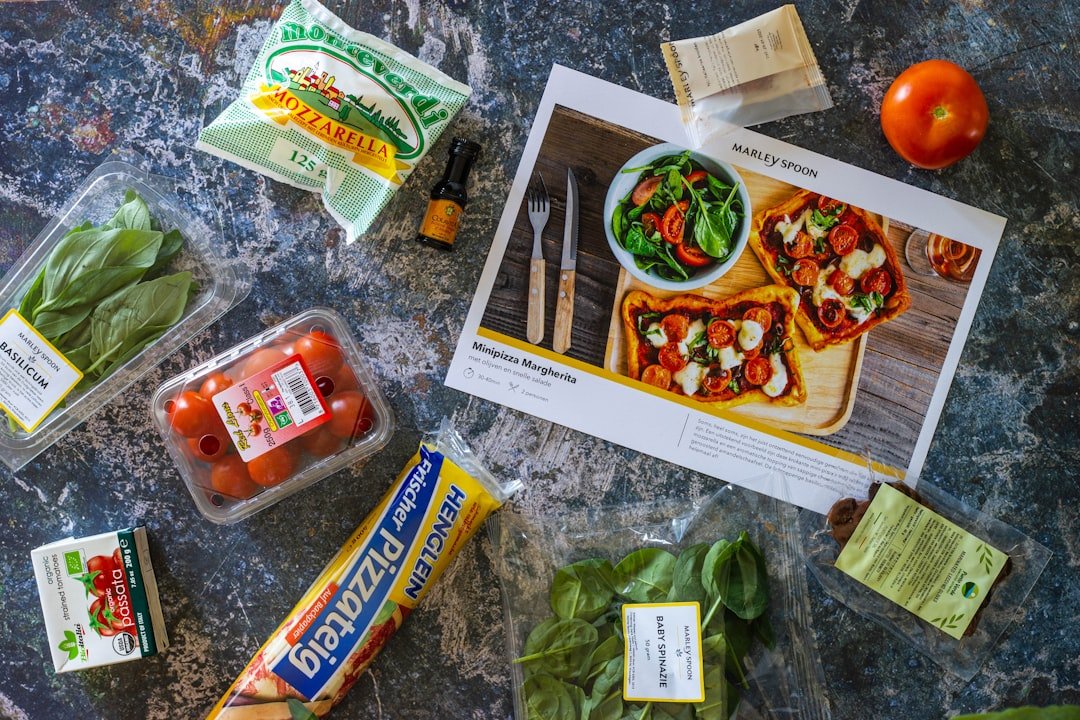
In recent years, meal delivery services have gained popularity as a convenient solution for those struggling with decision fatigue related to meal choices. These services offer pre-portioned ingredients and step-by-step recipes delivered directly to consumers’ doors, eliminating the need for grocery shopping and extensive meal planning. For busy individuals or families, this option provides an efficient way to enjoy home-cooked meals without the associated stress of preparation.
Meal delivery services cater to various dietary preferences and restrictions, making it easier for consumers to find options that align with their nutritional goals. Many services offer customizable plans that allow users to select meals based on their tastes or dietary needs—such as vegetarian, gluten-free, or low-carb options—ensuring that every member of the household can find something appealing. By utilizing these services, individuals can significantly reduce the mental burden associated with meal preparation while still enjoying healthy and delicious food.
Incorporating Batch Cooking
Batch cooking is another effective strategy for minimizing decision fatigue and promoting healthier eating habits. This method involves preparing large quantities of food at once—such as soups, stews, casseroles, or grain-based salads—that can be stored in the refrigerator or freezer for later consumption. By dedicating a few hours each week to batch cooking, individuals can ensure they have nutritious meals readily available during busy weekdays.
The benefits of batch cooking extend beyond convenience; it also allows for better portion control and reduces food waste. By preparing meals in advance and portioning them out into individual servings, individuals can avoid the temptation of ordering takeout or snacking mindlessly when hunger strikes. Additionally, batch cooking encourages creativity in the kitchen; leftover ingredients from one dish can often be repurposed into another meal later in the week.
This not only saves time but also fosters a sense of resourcefulness in meal preparation.
Seeking Professional Help
For those who find themselves consistently overwhelmed by decision fatigue related to meal choices or struggling with dietary habits that impact their health negatively, seeking professional help may be beneficial. Registered dietitians or nutritionists can provide personalized guidance tailored to individual needs and preferences. These professionals can help clients navigate their dietary challenges by offering practical strategies for meal planning and preparation while addressing any underlying issues contributing to decision fatigue.
In addition to one-on-one consultations, many dietitians offer workshops or group classes focused on meal planning and healthy cooking techniques. These educational opportunities provide valuable insights into nutrition while fostering a supportive community environment where individuals can share experiences and learn from one another. By seeking professional help, individuals can gain the knowledge and tools necessary to make informed decisions about their meals while effectively managing decision fatigue in their daily lives.
FAQs
What is decision fatigue in meal choices?
Decision fatigue refers to the deteriorating quality of decisions made by an individual after a long session of decision making. In the context of meal choices, it means feeling overwhelmed or exhausted by having to decide what to eat repeatedly, which can lead to poor or impulsive food choices.
How can planning meals in advance help reduce decision fatigue?
Planning meals in advance reduces the number of daily decisions about what to eat, saving mental energy. It allows you to create a structured meal plan or menu, which simplifies grocery shopping and meal preparation, ultimately minimizing stress and decision fatigue.
Does simplifying meal options reduce decision fatigue?
Yes, limiting the variety of meal options can reduce decision fatigue. Having a smaller, manageable list of favorite meals or rotating a set menu can make choosing meals quicker and less mentally taxing.
Can meal prepping help with decision fatigue?
Meal prepping, which involves preparing meals or ingredients ahead of time, can significantly reduce decision fatigue by eliminating the need to decide and cook meals daily. It ensures that healthy options are readily available, making mealtime decisions easier.
Is it helpful to establish a routine for meals?
Establishing a routine, such as eating similar meals at certain times or days, can reduce decision fatigue by creating predictable patterns. This consistency minimizes the number of choices you need to make, conserving mental energy.
How does reducing distractions during meal decisions help?
Reducing distractions, such as turning off screens or avoiding multitasking while deciding on meals, can improve focus and reduce the cognitive load, making it easier to make meal choices without feeling overwhelmed.
Can using meal planning apps or tools reduce decision fatigue?
Yes, meal planning apps and tools can help by providing recipe suggestions, grocery lists, and meal schedules. These resources streamline the decision-making process and reduce the mental effort required to plan meals.
Is it beneficial to set dietary guidelines to reduce decision fatigue?
Setting dietary guidelines or preferences (e.g., vegetarian, low-carb) narrows down meal options, making it easier to choose meals that fit your criteria and reducing the number of decisions you need to make.
How does decision fatigue affect eating habits?
Decision fatigue can lead to impulsive or unhealthy eating choices, such as opting for convenience foods or skipping meals. It may also cause indecision or stress around mealtime, negatively impacting overall nutrition and well-being.
Can involving others in meal decisions reduce decision fatigue?
Sharing meal planning and decision-making responsibilities with family members or roommates can distribute the cognitive load, making the process less stressful and reducing decision fatigue for any one individual.