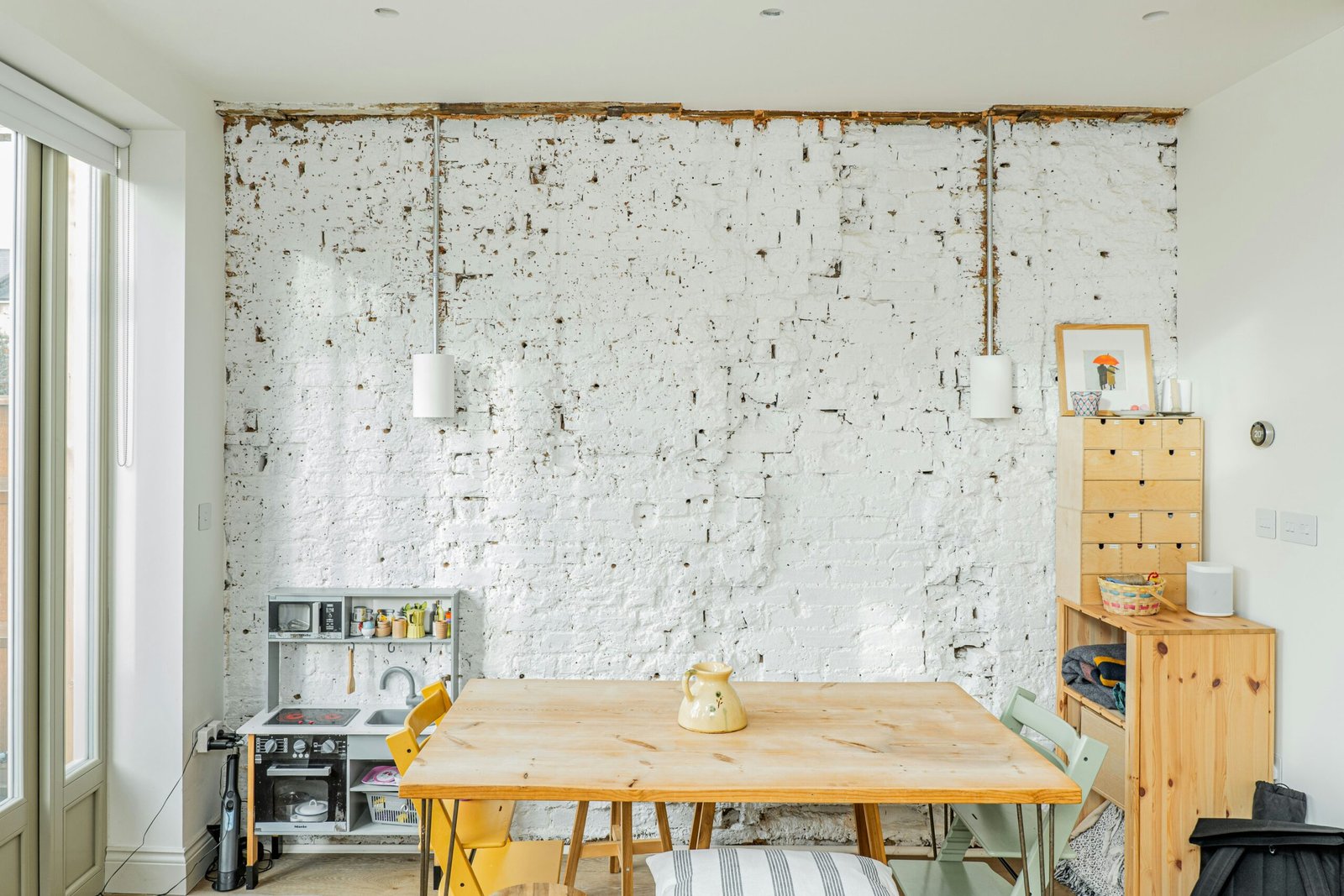
Rearranging your home often means more than just moving furniture around; it can remarkably shift your mental and emotional state. Simply put, making changes to your living space can lead to a sense of personal control, reduce stress, and even boost your mood. It’s a practical way to address feelings of being stuck or overwhelmed without necessarily making huge, life-altering decisions.
Understanding the Connection: Home and Headspace
Our homes are more than just four walls and a roof; they’re an extension of ourselves. The way we arrange our space, or even small aspects of it, can have a noticeable impact on our daily well-being. Think about it: a messy room can often correlate with a messy mind, and the reverse can also be true.
Your Home as a Reflection
Our environment plays a significant role in how we perceive and interact with the world. If your home feels chaotic, disorganized, or just “off,” it’s not uncommon for those feelings to seep into your mindset. Conversely, a space that feels calm and ordered can contribute to a more peaceful internal state. It’s a subtle but powerful feedback loop.
The Brain’s Role in Our Surroundings
Our brains are constantly processing information from our surroundings. A clutter-free, well-arranged space can reduce the mental load, allowing for clearer thinking and a greater sense of calm. When things are in disarray, our brains have to work harder to filter out distractions, which can lead to fatigue and increased stress.
Regaining Control: A Sense of Safety and Power
One of the most immediate benefits of rearranging your home is the tangible feeling of control it offers. In a world where so much can feel out of our hands, the simple act of choosing where a couch goes or reorganizing a bookshelf can be incredibly empowering.
Signalling Safety to Your Nervous System
When you take charge of your environment, you’re essentially sending a signal to your nervous system: “I am in control here.” This isn’t just a mental trick; it has a physiological effect. Reducing stress and increasing a sense of safety can lead to a calmer nervous system, which in turn can lower stress hormones like cortisol. It’s like telling your body, “Everything’s okay, you can relax.”
Decision-Making as Stress Reduction
The act of making decisions, even small ones like where to place a lamp, actively engages your brain in a productive way. This focus can divert your mind from anxious thoughts or worries, effectively giving you a mental break from rumination. It’s a purposeful activity that yields a visible result, reinforcing that sense of agency.
A Proactive Approach to Well-being
Rather than passively waiting for your mood to change, rearranging your home is a proactive step. It’s a way of saying, “I’m going to do something tangible to improve my situation.” This active engagement can be a powerful antidote to feelings of helplessness, reminding you that you have the ability to influence your surroundings and, by extension, your emotional state.
Elevating Your Mood: Gratitude, Creativity, and Purpose
Beyond just reducing stress, a thoughtfully rearranged home can genuinely uplift your spirits. It’s not about finding instantaneous joy, but rather cultivating an environment that naturally fosters positive emotions and a more engaging mindset.
Seeing Your Space Anew
Once you’ve moved things around, even subtly, your home can feel fresh and different. This new perspective can spark a sense of gratitude for what you have. It’s easy to take familiar surroundings for granted, but a change in layout can highlight overlooked features or make a once-stale room feel inviting again. This renewed appreciation can activate the brain’s reward center, leading to a mild but consistent sense of pleasure. It’s a gentle nudge towards feeling good, not an explosion of euphoria.
Unsticking Your Creative Flow
When you’re facing a creative block or feeling generally stuck, making physical changes in your environment can be surprisingly effective. The act of rearranging requires you to think differently about space, function, and aesthetics. This problem-solving process can kickstart your brain into a more creative mode, even if the creativity isn’t directly related to your decorating efforts. It prepares your mind for new ideas and different approaches.
Finding Purpose in the Process
The act of rearranging isn’t just about the end result; it’s about the process itself. It demands attention and effort, providing a sense of purpose and accomplishment. Completing a task, especially one that improves your personal space, can deliver a small but meaningful boost to your confidence and overall mood. It’s a tangible achievement that you can experience daily.
Embracing Change: Impermanence and adaptability
Life is constantly changing, and our homes can be a physical representation of our ability to adapt. Rearranging your space isn’t just about making things look different; it’s about acknowledging and embracing the natural flow of change.
Aligning Internal Growth with External Space
As we grow and evolve, so do our needs and preferences. A home that suited you perfectly five years ago might not feel right today. Rearranging allows your external environment to catch up with your internal growth. It’s a way of affirming that it’s okay for things to shift, and that you have the power to make those shifts happen. It creates a harmonious relationship between your personal development and your living situation.
Challenging Rumination and Countering Helplessness
When we’re caught in cycles of negative thought or feeling helpless, it’s easy to become stagnant, both physically and mentally. Rearranging acts as a disruption. It forces you to move, to think, and to engage with your physical world in a different way. This active engagement can challenge rumination by redirecting your mental energy. By successfully making changes to your home, you demonstrate to yourself that change is indeed possible, and that you are capable of initiating it, even in small ways. This counters feelings of helplessness and reinforces a sense of personal agency.
Acknowledging Impermanence
Nothing stays the same forever, and our homes are no exception. Rearranging can be a gentle reminder of this impermanent nature of things. It’s not about constantly buying new items, but rather reevaluating and reconfiguring what you already have. This acceptance of change can make you more resilient and adaptable in other areas of your life, fostering a mindset that embraces evolution rather than resisting it.
Quieting the Mind: Reducing Anxiety and Redirecting Focus
Anxiety often thrives on a sense of uncertainty and overwhelming stimuli. Rearranging your home can be a powerful tool for quieting an anxious mind, providing clarity and a more grounded perspective.
Keeping Busy with Progress
When anxiety takes hold, it can be hard to focus on anything productive. The tangible nature of rearranging furniture or organizing a room offers a clear, achievable goal. You can see your progress as you go, which provides a welcome distraction from anxious thoughts. It’s an absorbing activity that requires focus, shifting your mental energy from worries to practical implementation. The physical exertion can also be therapeutic, burning off some of that anxious energy.
Shifting Focus Through Decision-Making
Anxiety often spirals when our thoughts are uncontrolled. Rearranging your home demands a series of decisions: where does this go, what should I keep, what should I discard? These decision-making processes engage your prefrontal cortex, the part of your brain responsible for planning and logical thought. This focused engagement can effectively redirect your thoughts away from overwhelming worries, giving your mind a different problem to solve – a manageable one.
Creating a Secure Environment for Better Sleep
A cluttered or haphazard bedroom can contribute to restless sleep. Simplifying your bedroom layout and ensuring it feels calm and secure is a direct way to combat sleep-related anxiety. When your surroundings feel orderly and intentional, your mind receives cues of safety and stability. This can lead to a more relaxed state before bed, improving the quality of your sleep. A well-arranged bedroom reduces visual noise, allowing your brain to truly switch off and rest. This consideration is becoming increasingly important, with trends for 2026 emphasizing minimalist and functional bedrooms for wellness.
Cultivating Calm: Clarity, Grounding, and Wellness
Beyond addressing immediate emotional states, rearranging your home can lay the foundation for a more consistently calm and clear mindset. It’s about designing your environment to support your long-term well-being.
Decluttering as Mental Organization
The act of decluttering, which often goes hand-in-hand with rearranging, isn’t just about tidying up your physical space; it’s about organizing your mind. Each item you decide to keep, donate, or discard is a small decision that brings clarity. A less cluttered environment means fewer visual distractions, reducing the constant input your brain has to process. This reduction in cognitive load can lead to a noticeable increase in mental clarity and a greater sense of calm. It’s like clearing out the junk in your attic to make space for fresh air.
Enhancing Air Quality Through Deep Cleaning
Rearranging often involves moving furniture, which provides an opportunity for a thorough deep clean. Dust, allergens, and stale air can accumulate in hidden corners. A deep clean improves the air quality in your home, which has direct benefits for your physical health and, by extension, your mental state. Breathing cleaner air can reduce feelings of sluggishness and contribute to a more invigorated feeling. It’s a practical step towards creating a healthier living environment.
Boosting Dopamine Through Ownership and Accomplishment
Taking ownership of your space, making it truly yours through thoughtful rearrangement, can provide a significant boost to your mood. When you actively choose how your environment looks and functions, you’re investing a part of yourself into it. The sense of accomplishment that comes from completing a rearrangement project, seeing your vision come to life, triggers the release of dopamine. This neurotransmitter is associated with pleasure and reward, reinforcing the positive feelings of having created something meaningful and functional. It’s a tangible reward that you get to experience every day in your newly arranged space.
Grounding Yourself in Your Environment
A well-arranged home provides a sense of grounding. It’s a place where everything has its purpose and its place, creating an anchor in your daily life. When your surroundings feel stable and intentional, it can help you feel more rooted and present. This grounding effect can reduce feelings of being scattered or overwhelmed, allowing you to approach your day with greater calm and focus. Your home becomes a reliable base, a secure foundation from which to navigate the world.
Supporting Rest in Key Rooms: The Bedroom’s Importance
While any room can benefit from thoughtful rearrangement, certain spaces, particularly the bedroom, have a more direct impact on our ability to rest and rejuvenate.
Simplifying for Better Sleep
The bedroom is where we go to unwind and sleep, making its atmosphere crucial for wellness. Simplification is often key here. Less furniture, or furniture that serves dual purposes discreetly, can reduce visual noise. Visual noise means too many things competing for your attention, even subconsciously. A minimalist approach, or at least a carefully curated one, helps create a tranquil environment where your mind can truly switch off. This isn’t about stark emptiness, but rather about intentional choices that promote peace.
Reducing Visual Noise and Mental Clutter
A chaotic bedroom can translate into a chaotic mind at bedtime. By strategically rearranging furniture, you can open up space, improve flow, and make the room feel more expansive and serene. This physical decluttering directly contributes to mental decluttering, allowing you to relax more deeply. Removing non-essential items, relocating work-related objects, and ensuring easy access to what you need minimizes friction and distraction, preparing your brain for rest.
Wellness Trends for 2026 and Beyond
The importance of a well-designed bedroom for overall wellness is not just anecdotal; it’s a growing trend. Experts predict that by 2026, there will be an even greater emphasis on bedrooms as dedicated sanctuaries for rest and mental well-being. This includes designing spaces that prioritize sleep hygiene, integrate soothing technologies subtly, and utilize materials and layouts that promote calm. Rearranging your bedroom now is a practical step towards aligning your home with these future-focused wellness principles, improving your sleep quality and overall health in the process.
It’s clear that rearranging your home isn’t just about aesthetics. It’s a pragmatic, accessible tool for influencing your emotional state and enhancing your overall well-being. By taking control of your physical environment, even in small ways, you can cultivate a sense of safety, spark creativity, reduce anxiety, and foster a more peaceful inner life.
FAQs
1. How can rearranging your home affect your mood?
Rearranging your home can affect your mood by creating a sense of novelty and freshness, reducing feelings of clutter and chaos, and promoting a more organized and functional living space.
2. What are some specific ways that rearranging your home can improve your well-being?
Rearranging your home can improve your well-being by enhancing relaxation, reducing stress, increasing productivity, and promoting a sense of comfort and contentment.
3. Are there any scientific studies that support the idea that rearranging your home can change the way you feel?
Yes, there are scientific studies that support the idea that rearranging your home can have a positive impact on your mood and well-being. Research has shown that environmental changes, such as rearranging furniture and decor, can influence emotions and behavior.
4. What are some tips for effectively rearranging your home to improve your mood?
Some tips for effectively rearranging your home to improve your mood include decluttering and organizing, maximizing natural light, incorporating calming colors and textures, and creating designated spaces for relaxation and productivity.
5. Can rearranging your home have a long-term impact on your emotional well-being?
Yes, rearranging your home can have a long-term impact on your emotional well-being by creating a more positive and supportive living environment, which can contribute to overall happiness and satisfaction.